The Amazing Monarch

October 2, 2026

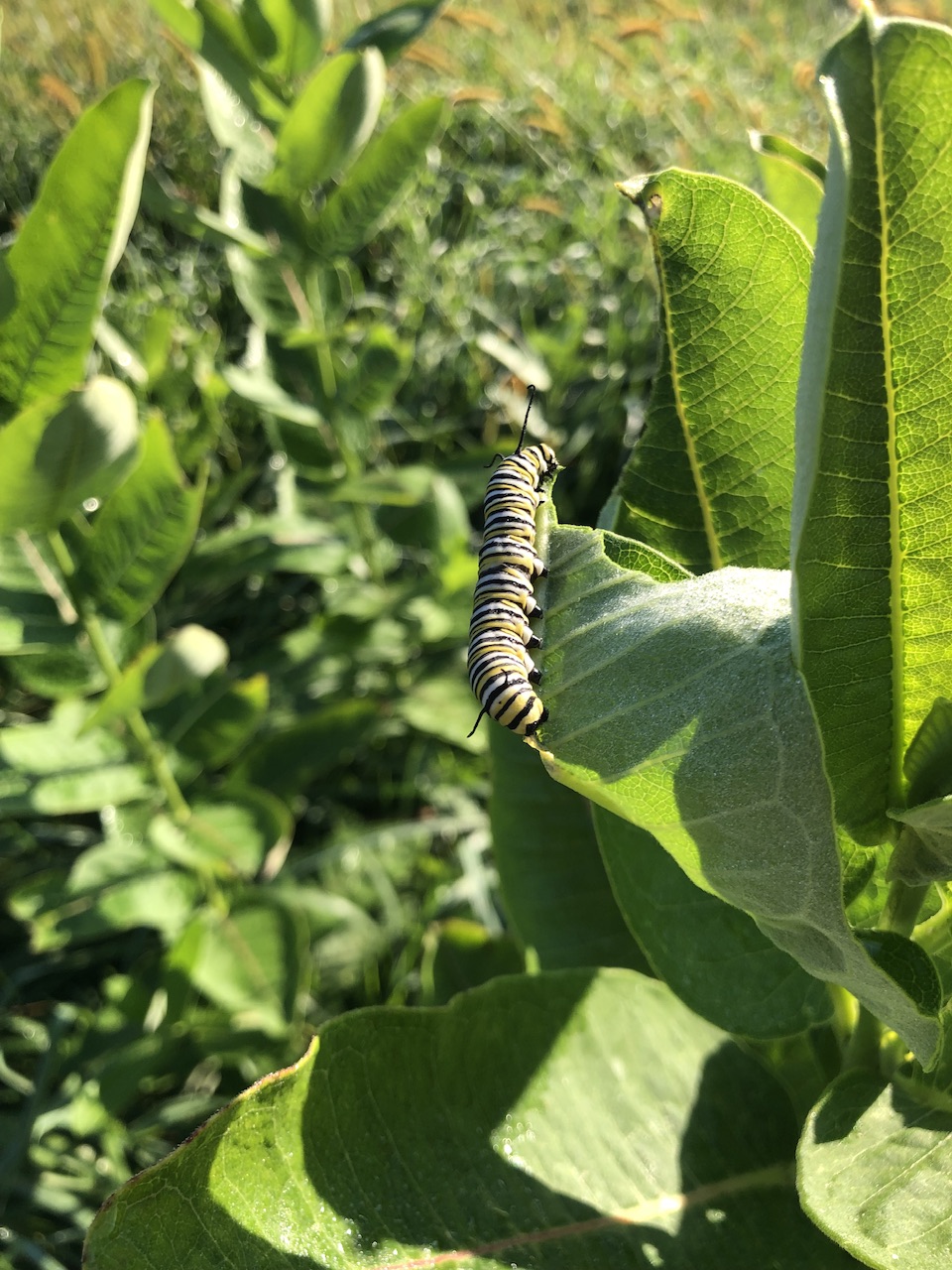
 “What is that?” Mommy asked.

“A Monarch caterpillar,” Romeo answered.

We came home from an excellent program at the Johnson Public library with our very own Monarch caterpillar and care instructions.  We picked fresh milkweed every day or so and switched out the old.  

It was amazing watching the little guys.  Most of their time was spent eating.  But sometimes they would go still for awhile and then split and shed their old skin and go back to eating crazy.

The big transition was when they crawled off the milkweed and looked for a place to form a chrysalis.  They use a silk producing organ called a spinneret, located just under their mouth, to form a sticky base.  Then they turn around and anchor their butt to the base and hang in a j shape.  After hanging for a while, they shed their skin for a final time, revealing a beautiful green and gold chrysalis.
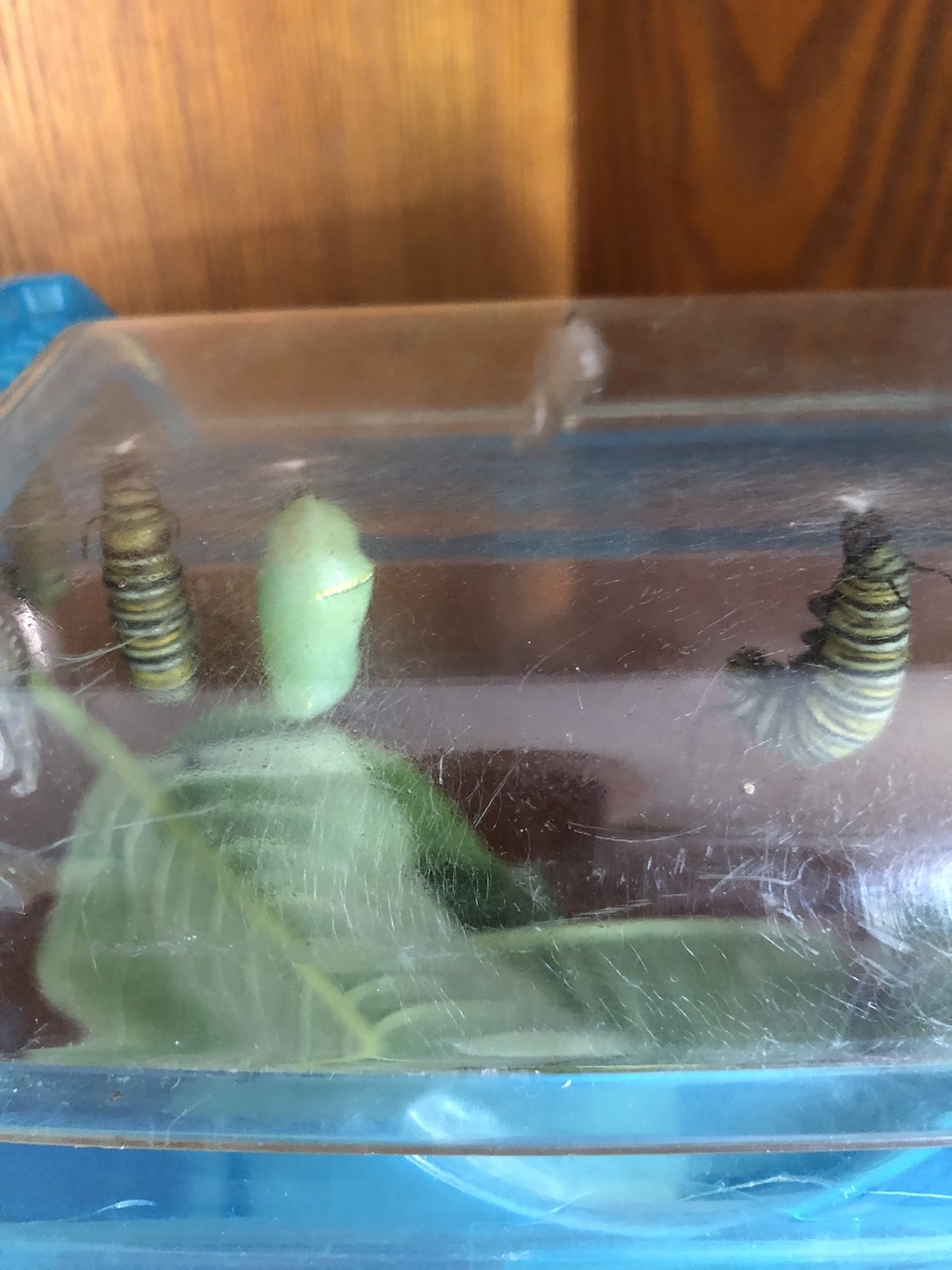
I know I’m anthropomorphizing when I say that all these transitions look incredibly painful to me.  Who knows how it feels to the caterpillar?  But they don’t have much choice in the matter.  Instinct pushes them forward.  I’ve never heard of a caterpillar on a diet, watching its figure.

The craziest transition happens inside the chrysalis.  The caterpillar’s body releases powerful digestive enzymes, the same ones used to digest the fairly indigestible milkweed, and digests itself, leaving only a heart, a couple of breathing tubes, and a little bit of brain.  The rest of its body breaks down into a nutrient rich soup, from which the caterpillar reforms itself into the beautiful Monarch butterfly over the course of ten days or so.

The chrysalis becomes transparent the last few days, the black and orange butterfly wings showing through.  And then the new butterfly emerges, resting and drying its wings.  We release them after several hours and watch, as their new wings push them to new heights.

Are they surprised?  Do they remember being a caterpillar?  Do caterpillars dream of flying?
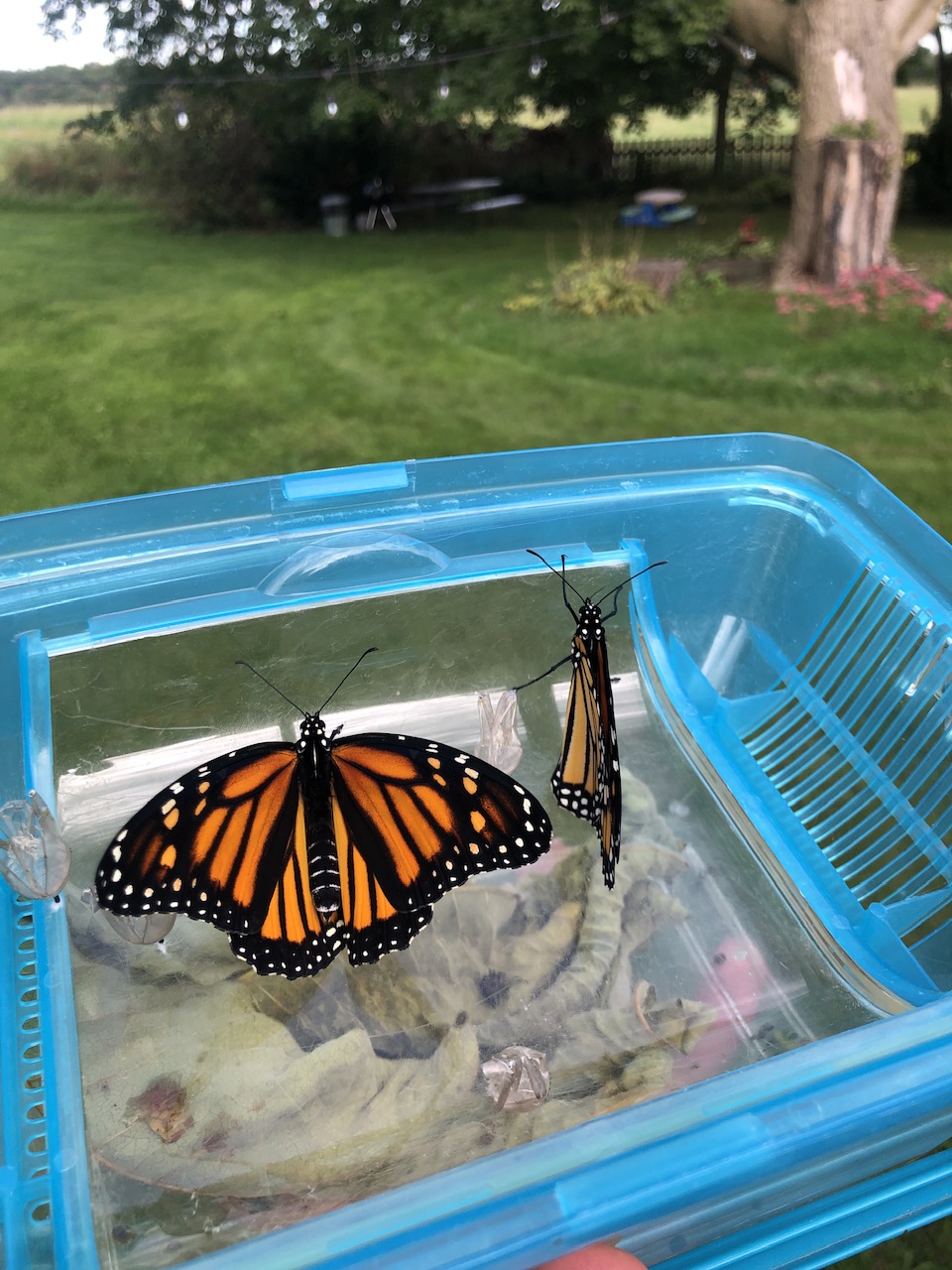
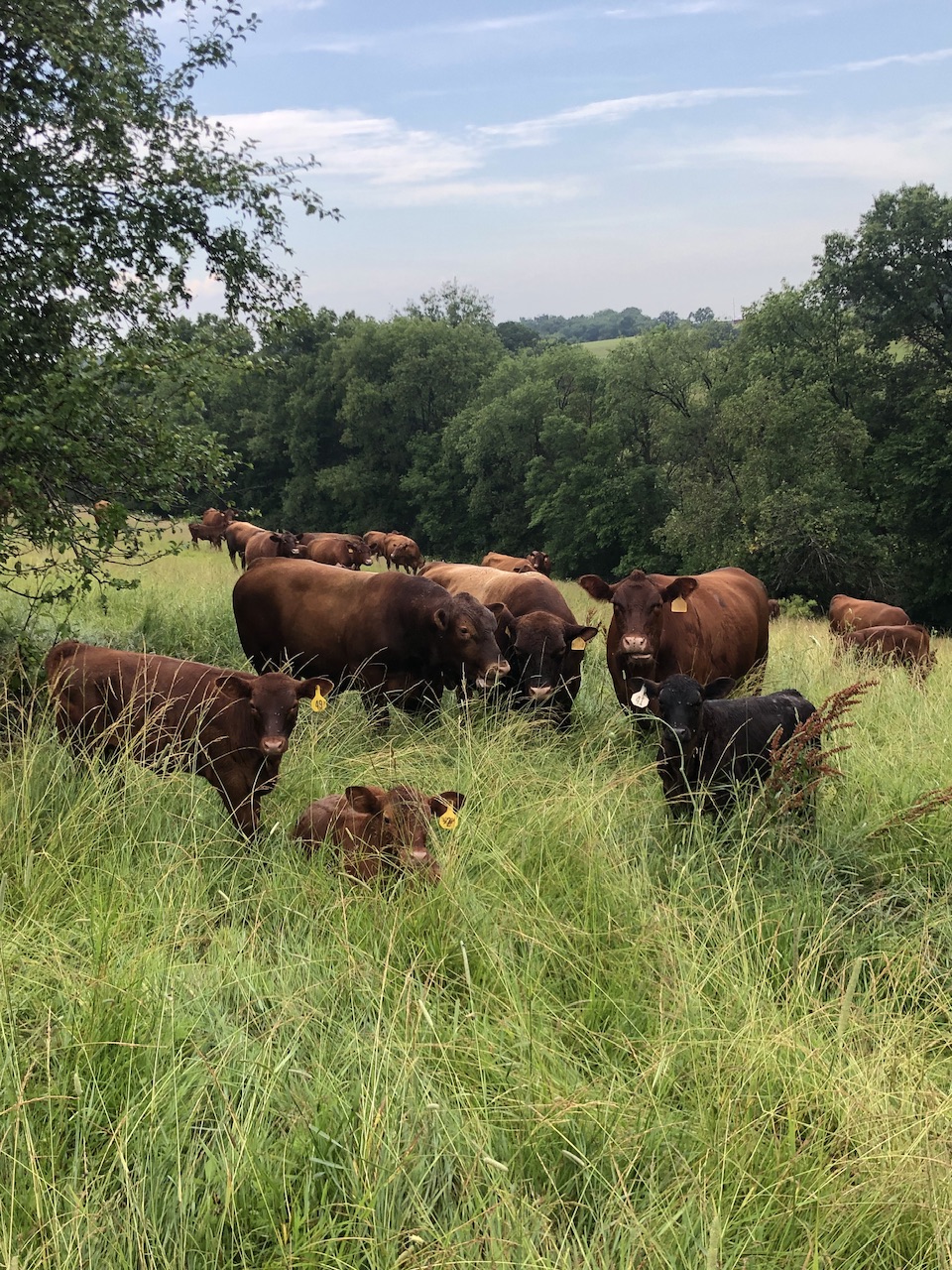
We had so much fun with this, I started scouting pastures ahead of our cattle herd.  Our mob of cattle eat a little milkweed and knock down the rest.  I felt bad about this until I read Monarchs prefer laying their eggs on new growth.  With our long rest period and diverse pastures, I feel we are still pollinator friendly.  But I started helping the ones I could, and we ended up raising ten this year.

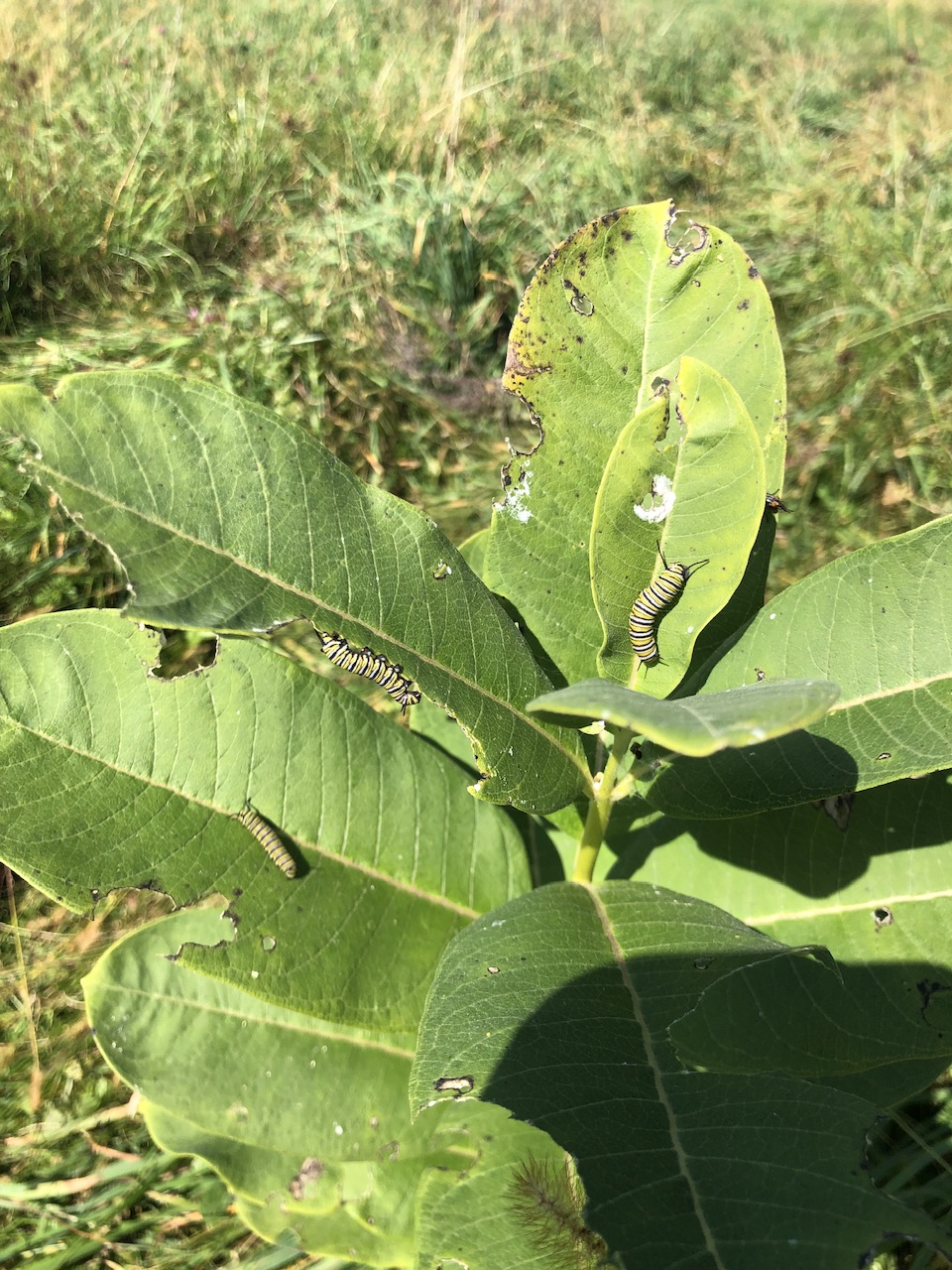
At the end of September I scouted a pasture with Romeo and pulled up next to a patch of milkweed.  I’d seen Monarch butterflies around, but I knew they were preparing to fly to Mexico where they overwinter.

“It’s too late in the season, but let’s look anyway,” I said.

I recognized my hubris when I spotted three caterpillars, happily eating.  If I had to fly to Mexico for the winter I would have left already, but what do I know?

So some of the Monarch butterflies were still mating and reproducing in southwest Wisconsin at the end of September.  This got me to thinking, is it possible for Monarch butterflies to mate and reproduce and still fly to Mexico?

The internet says “no.”  When Monarch butterflies mate and reproduce, it speeds up their aging and they die in a few weeks.  The last generation of the summer are different.  They spend their days eating and preparing for the journey south.  

This super generation won’t mate and reproduce until they leave their winter homes in the mountains of Mexico in the spring, and fly north as far as Texas where they will reproduce.  The offspring from that mating will fly north again, following spring and the milkweed, repeating this cycle, until the last generation reaches the southern edge of Canada.

Then somehow, with cues from nature, this super generation flies back precisely to their ancestors’ wintering grounds in the mountains of Mexico.  Amazing!

Karst Geology

March 12, 2026

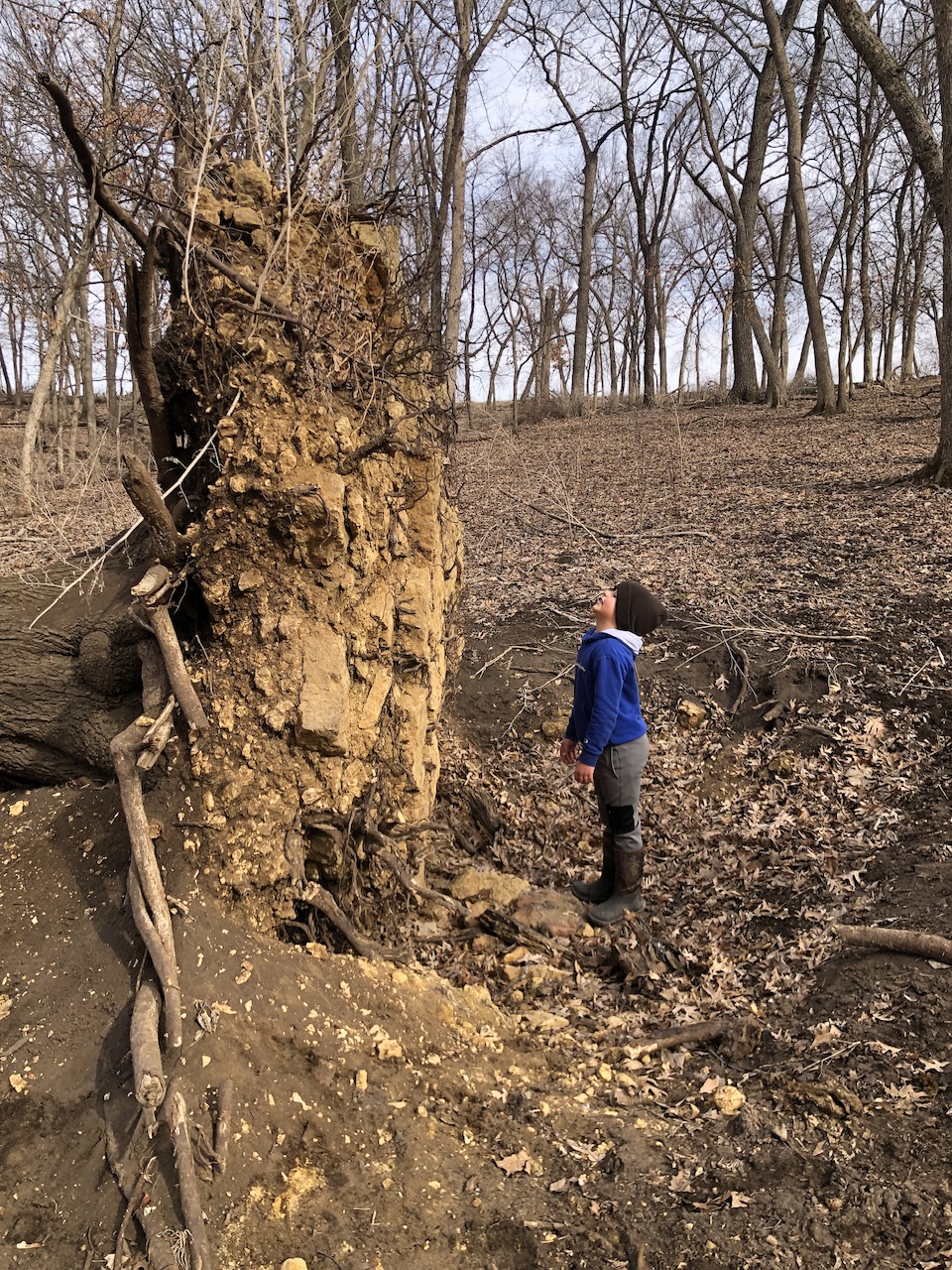
This photo is worth a 1000 words. Look at how shallow the soil is and all the limestone rock the tree roots are growing through. Heavy winds knocked down this living tree early last summer.

I posted the paragraphs below and photo back in 2023:

We live and Farm in the driftless region of Southwest Wisconsin, which means in the last Ice Age the glaciers split and went around us, resulting in a geologically different area than the surrounding land. 

Underlying the relatively shallow soils is limestone and is referred to as Karst geology. I don’t fully understand the reason why, but the resulting grass which grows here is incredibly rich and perfect for grass fed cattle. There are a few other areas in the world similar to here, Kentucky , an area in France, probably others I’m not aware of.


Rotating Wood Pile

February 20, 2026

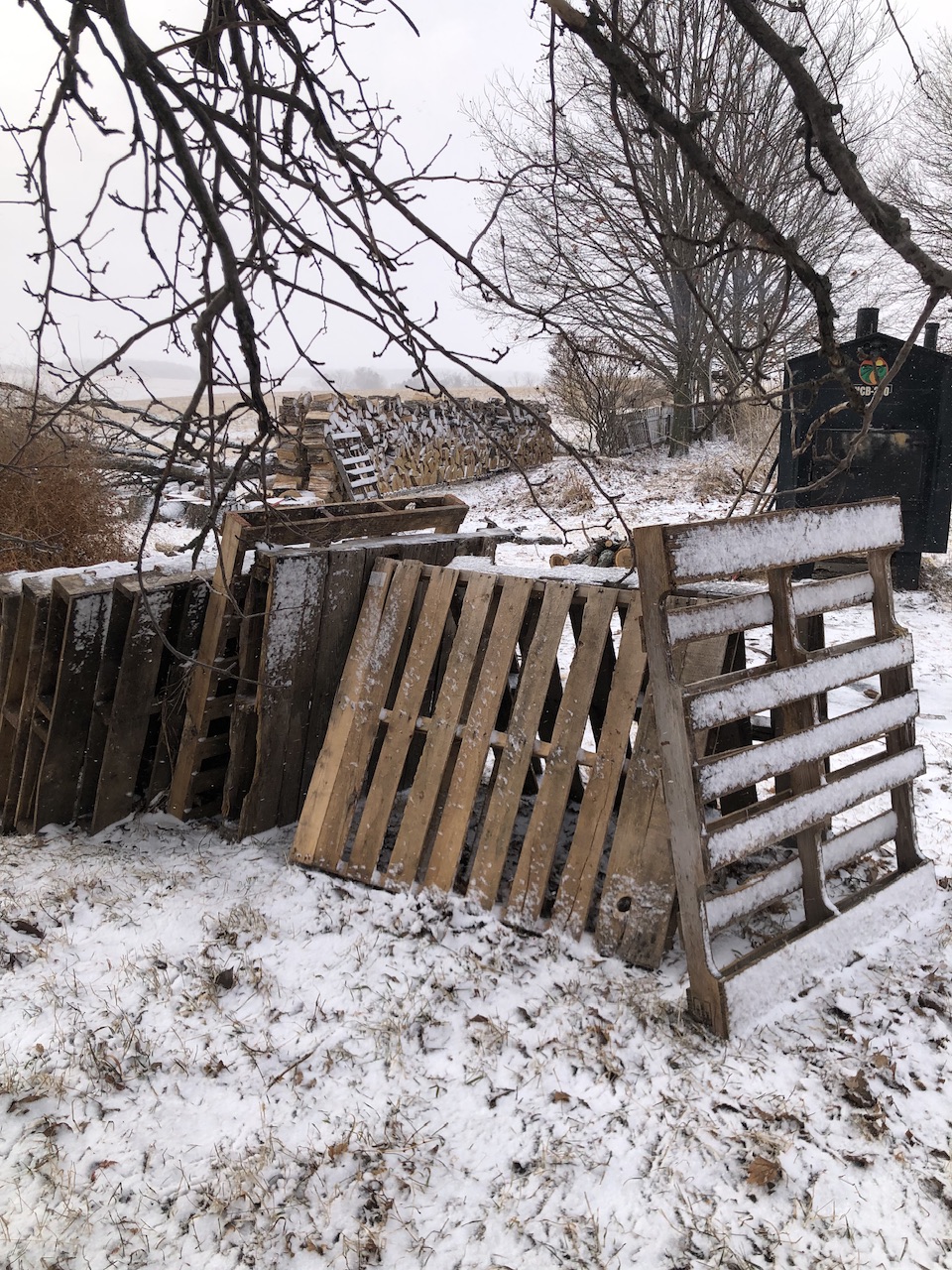
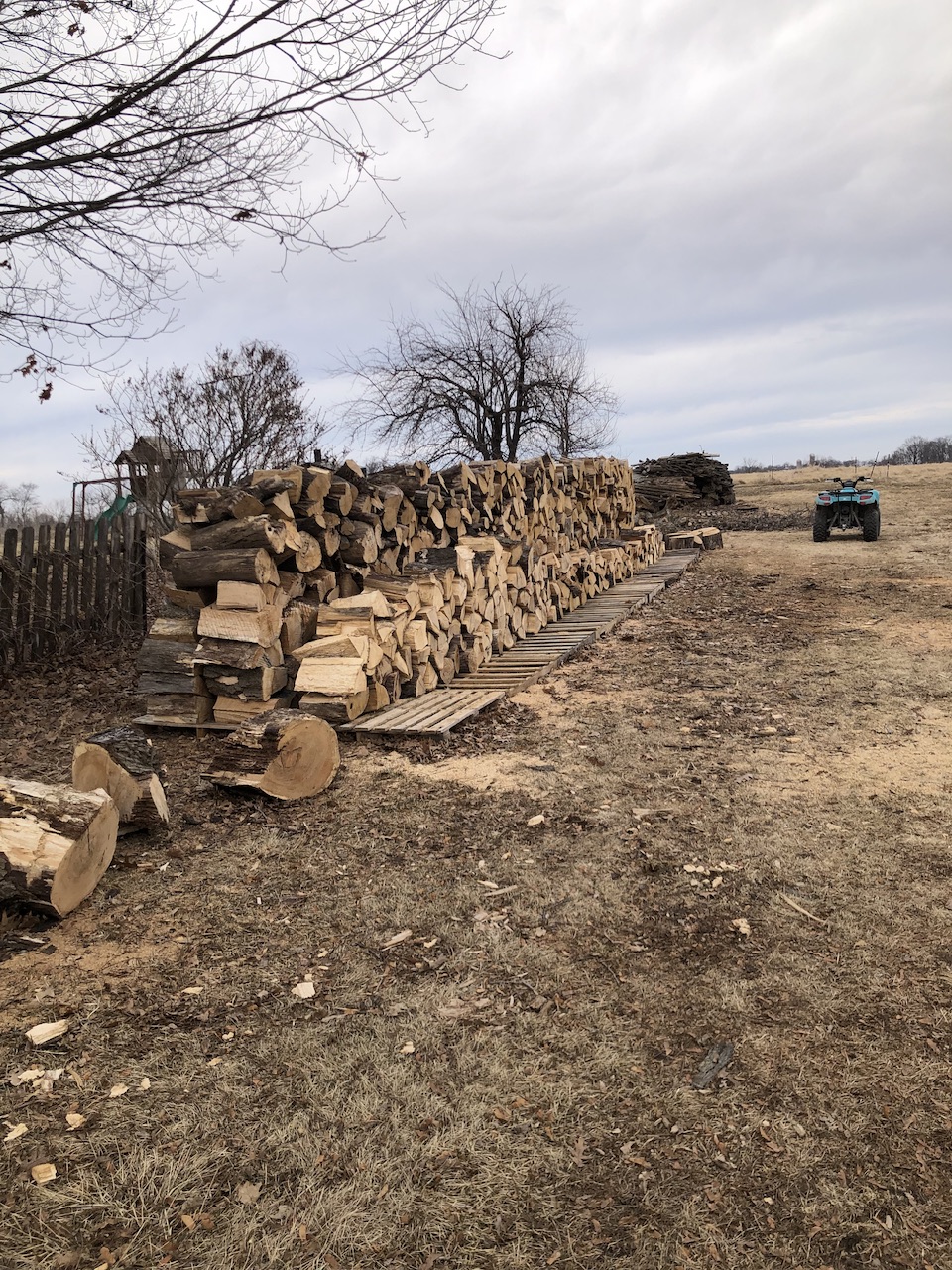
We installed a Nature’s Comfort outdoor wood boiler in 2010 and have used it every winter with little upkeep. It’s starting to show some age, springing a leak last year. But we really enjoy a wam house in winter. And I like cutting wood. So I don’t see us changing our heating any time soon.

What I will tell anyone is these outdoor wood boilers, at least this one, use a lot of wood. I don’t mind, as the old way of having a fire inside your house, while more efficient, is much more dangerous, with chimney fires always a risk. The pallets in the above photo, filled with firewood to a height of five feet in the fall, give a rough estimate of how much wood we have already burnt this winter, plus a few pallets still frozen to the ground, and wood I cut and used without stacking. A lotta wood!

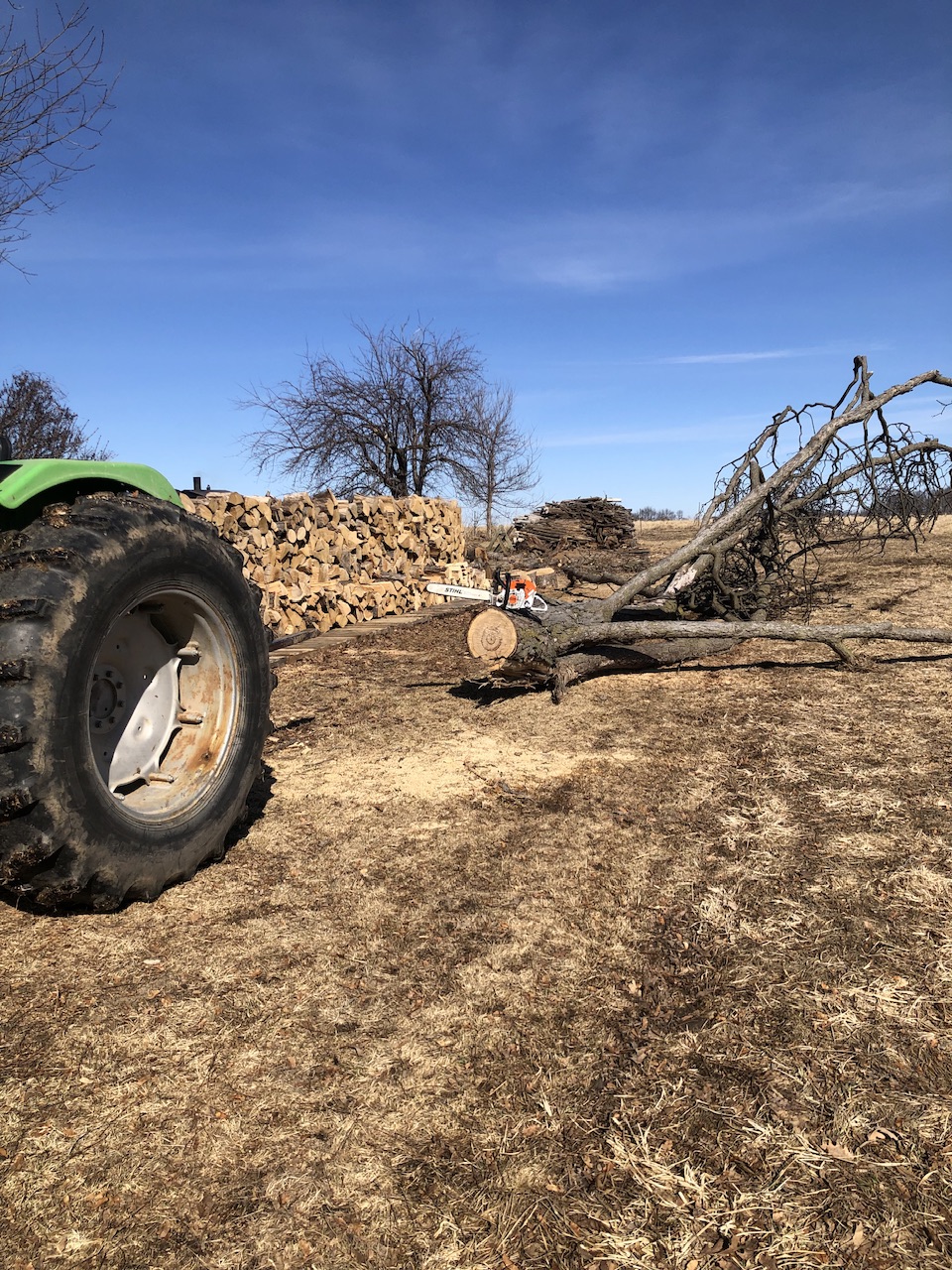
It wasn’t until 2021 before I actually had any wood left over in the spring. I always cut as I needed it. But I did pull dead trees out of the woods in the fall, which helped immensely, versus trying to go into the woods when the snow is deep.

I had some pallets lying around and got the notion to stack the wood on pallets to keep it off the ground, as any wood on the ground slowly but surely picks up moisture and turns to dirt. With my new protocol, I felt confident adding to my pile. As my pile grew, I felt rich in wood, and the pressure of cutting every week relaxed.

As so often happens when one is relaxed, I didn’t slow up my wood cutting at all. I focused on reopening paths through our woods and cleaning up trees which fell on fences. We have a lot of fence to maintain on our farm and Mom’s.

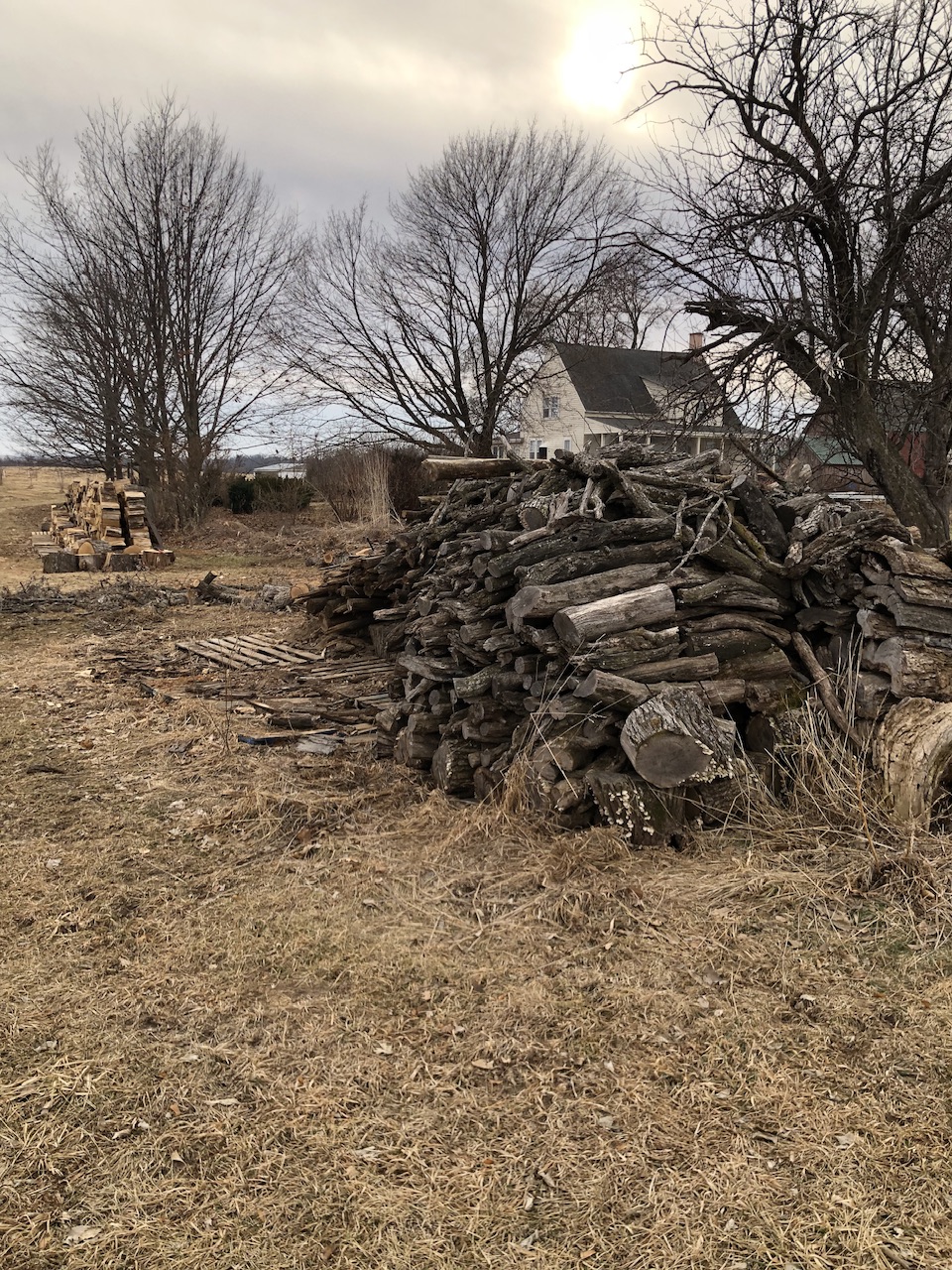
And I realized I had a new problem. After a time of drying, wood stored outside begins to age and actually starts to lose some of its heating power. I guess after drying, moisture will return to the wood and decay begins. A person could combat this by putting dry wood in a shed or under cover.

So I’m rotating this year. I’ve focused on burning my old pile while making a new pile to season for next year. It’s a challenge to site the piles close enough to carry, yet far enough away.


The Edge is Where the Action Is

January 10, 2026

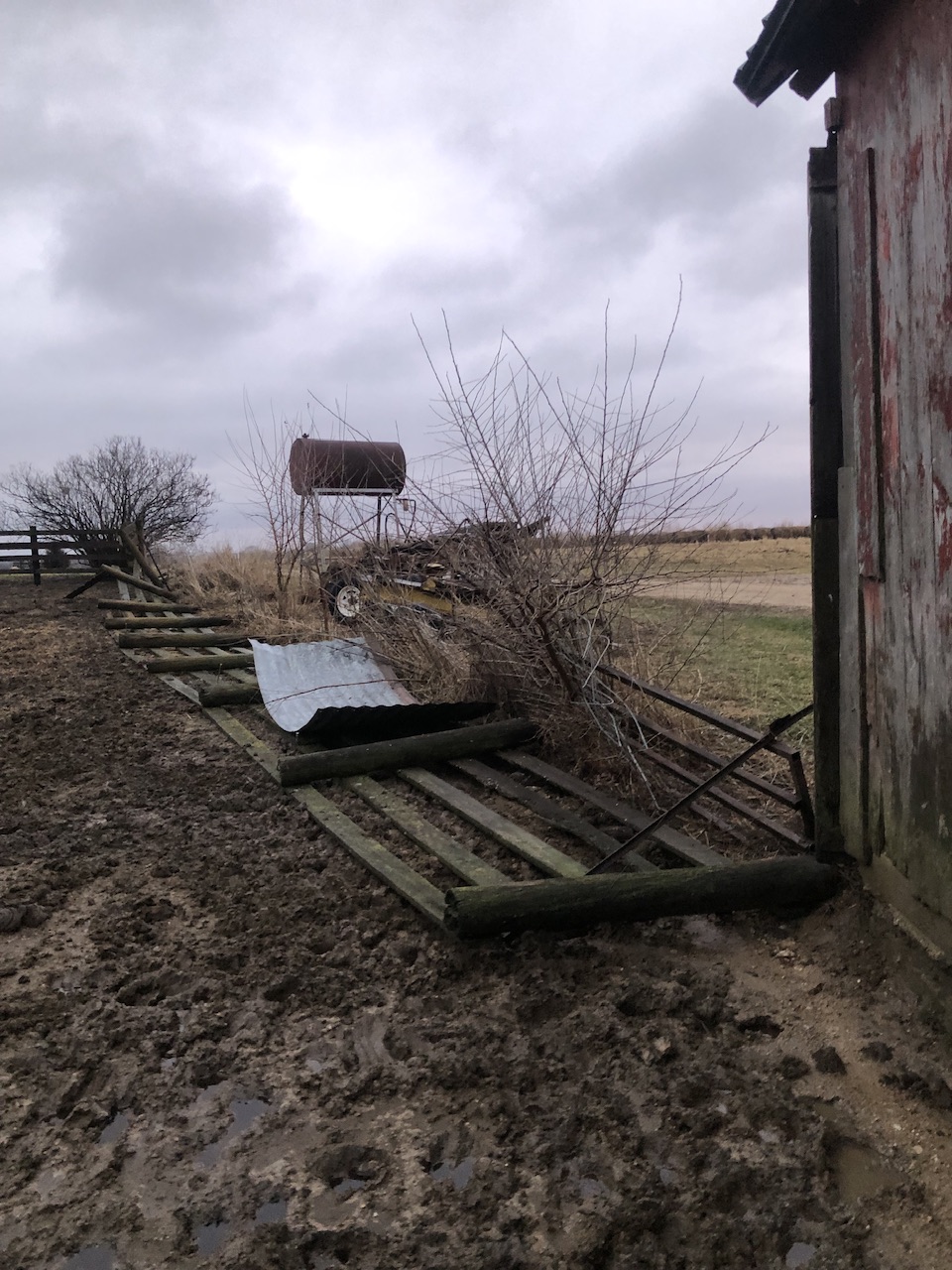
Daybreak revealed my upper lot fence resting on its side. There was a little wind, but mostly it just got tired. I remember when Dad and I built this fence.

Dad always pointed out how wooden fence posts rot off at ground level. The wood above the ground is fine and the wood below the ground is fine, but right at ground level and slightly below is where the biological activity is highest.

This is why I try to always used treated or creosote posts for my fencing, but don’t use treated wood for the horizontal boards. If the wood is off the ground and nothing is chewing on it, it will outlast the posts holding it up.


Christmas Memories

December 24, 2025

In our family, Santa was Mom.  She always made sure there were presents under the tree Christmas morning and our stockings were filled with chocolate, candy canes, and small toys that fit in the stocking.

But sometimes we could tell that Dad got in on the gift giving.  “Some assembly required” usually involved Dad.  One of my fondest Christmas memories is the basketball court Dad built for me.

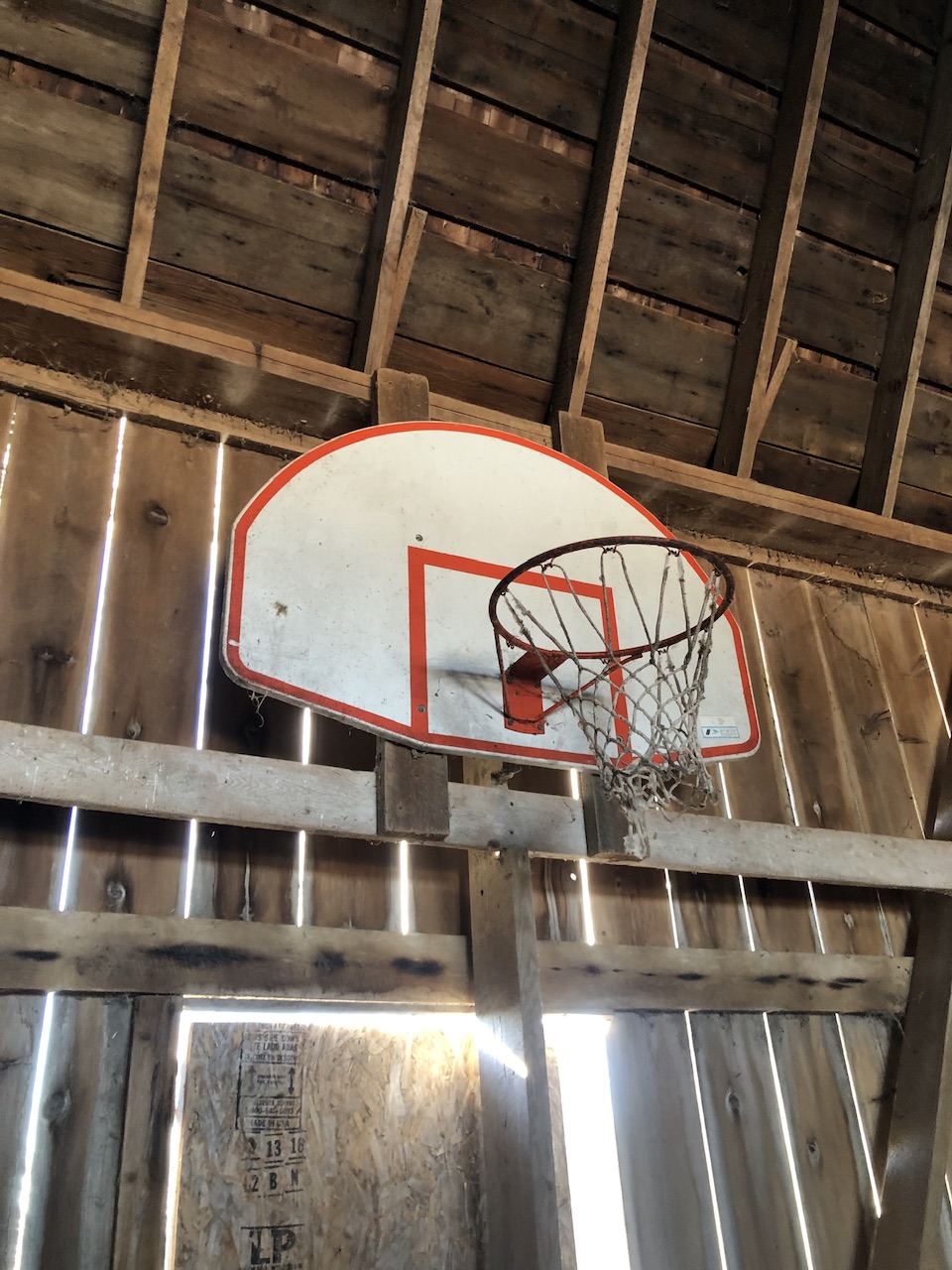
A wooden backboard with metal rim mounted on the inside wall of the barn with six sheets of plywood screwed to the floor to make a good surface to dribble on.  I received a basketball under the tree and then was told to go to the barn to do chores.  There I discovered my court.

Because its out of the weather, its aged remarkably well.  The only thing I’ve replaced is the net.  I don’t keep the court swept clean like I used to, but now I’m shooting hoops with Romeo, just like Dad and I did.


Summer 2025

July 6, 2025

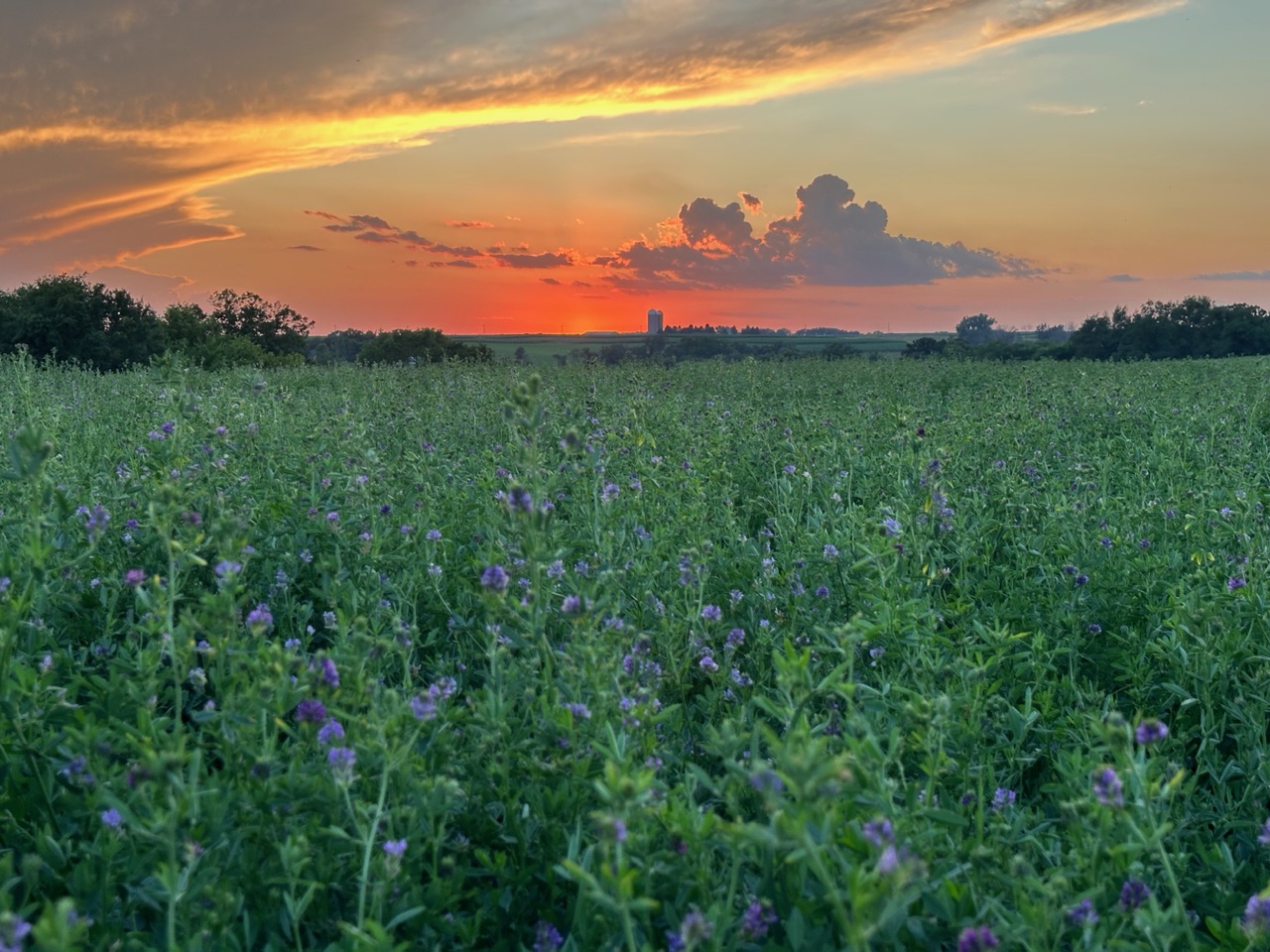
My youngest sister caught this photo of sunset overlooking our hay field. All three sisters and most of their kids made it home for the fourth and we had a nice family gathering. Below is some of the family in front of Vicente’s corn for our traditional fourth of July corn photo.

After a dry winter/spring, the sky spigot turned on and we are green! Nothing ruins a drought like rain.

We turned out the big bulls June 27th and the yearling bulls July 3rd. Below is a photo of two of the big bulls following a cow and a few calves. This pasture was rested eight weeks and rebounded nicely after spring grazing.


May 2025

May 20, 2025

Our black cow with her black bull calf.  

She’s a great example of the logic only humans bring to the table, as out of our herd of over 100 Red Angus cows, she’s the only one who’s registered Red Angus.  

We continue to open up a little space on our farm for interesting persons to garden.  Besides Isabel, three other families are gardening in our good soil.

Malcom Gladwell says, “If you find an interesting person, it means they are part of an interesting group.”

It’s been a dry spring and unseasonably warm.  We welcomed over an inch of rain last night though, and cooler temperatures.

We’re wrapping up calving, which has gone well, and planning to make some 1st cutting hay on acres we didn’t graze.


Hauling Manure

April 2, 2024

I don’t know if you can get most farmers to admit it, but loading and spreading manure is one of the most enjoyable jobs we do. Especially if you can work with solid or semisolid manure like this load is.

There’s an art to loading it well, not that difficult if you’re working on concrete. More skill is involved when working with a dirt floor like in my hoop barns.

And then if you can spread it evenly over a field, the thought of all that wonderful fertility benefiting your soil is magical.


August 2023 Update

August 6, 2023

Welcome visitors! Check out our pages for more information about our meat or buying a quarter cow or half hog.

We live and Farm in the driftless region of Southwest Wisconsin, which means in the last Ice Age the glaciers split and went around us, resulting in a geologically different area than the surrounding land.

Underlying the relatively shallow soils is limestone and is referred to as Karst geology. I don’t fully understand the reason why, but the resulting grass which grows here is incredibly rich and perfect for grass fed cattle. There are a few other areas in the world similar to here, Kentucky , an area in France, probably others I’m not aware of.

Anyway, we feel blessed to live and farm here and hope you enjoy our meat!


Old Farmer Tip #2: Hydraulic Hose

November 20, 2022

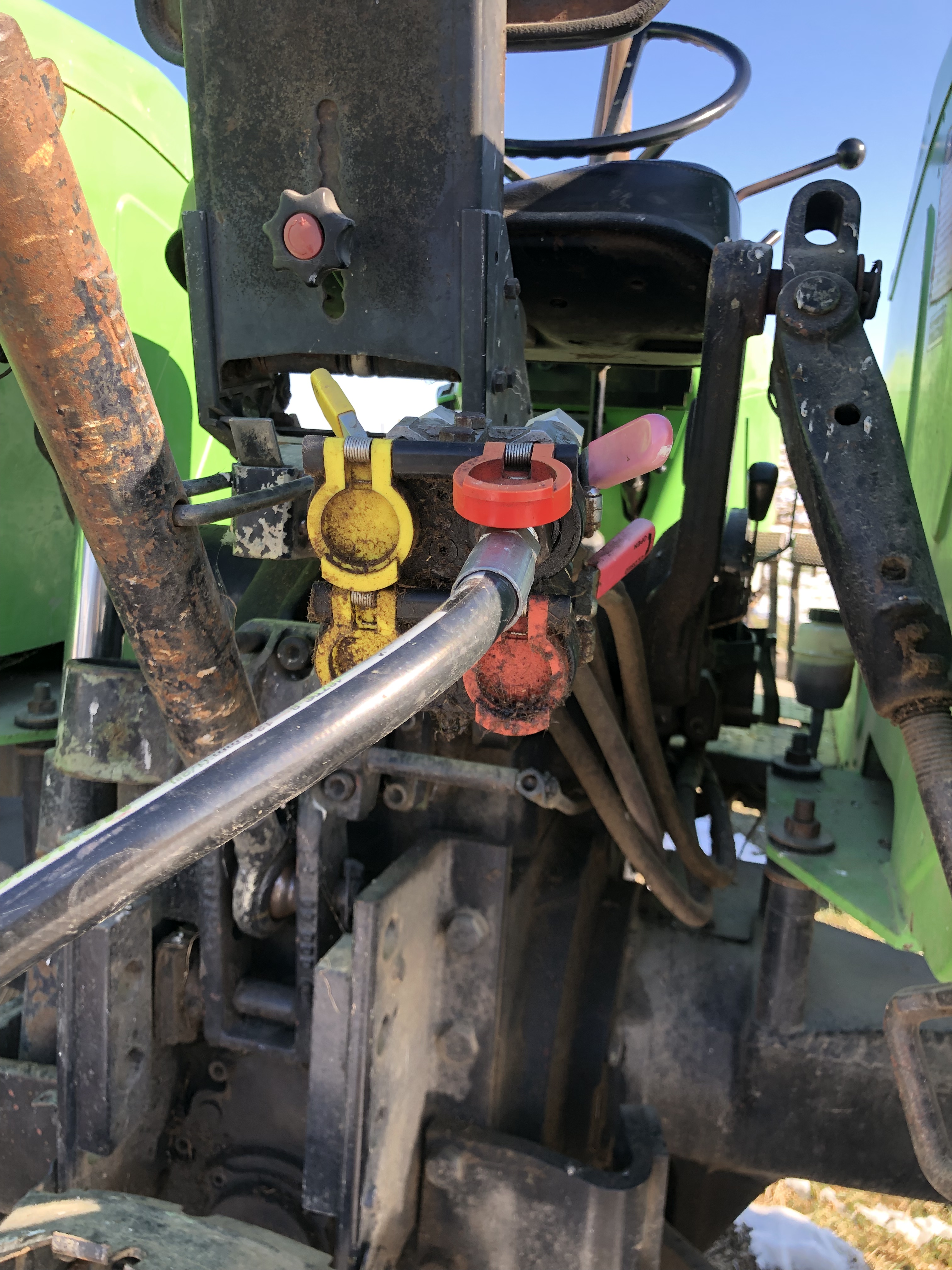
The second tip in my series is about hooking and unhooking hydraulic hoses. Took me a while to figure out why sometimes it seems there was pressure on the hydraulic hose when I went to hook it up and then I realized if I unhook the hydraulic hose with pressure on it then there is pressure when I go to hook it back up again.

So to make sure there isn’t pressure I almost always shut the tractor off and move the hydraulic lever back-and-forth to release all pressure before I unhook any hydraulic hoses. Let me know if this helps any of you.