Robert Frost: A Blue Ribbon at Amesbury

March 6, 2011

How can a poem, written years before, capture the way I feel?  In “A Blue Ribbon at Amesbury,” Robert Frost writes my thoughts, my feelings.

“A Blue Ribbon at Amesbury” describes a young man’s mind, as he observes his blue-ribbon winning hen.

Excerpt:

The one who gave her ankle-band,
Her keeper, empty pail in hand,
He lingers too, averse to slight
His chores for all the wintry night.

He leans against the dusty wall,
Immured almost beyond recall,
A depth past many swinging doors
And many litter-muffled floors.

He meditates the breeder’s art.
He has a half a mind to start,
With her for Mother Eve, a race
That shall all living things displace.

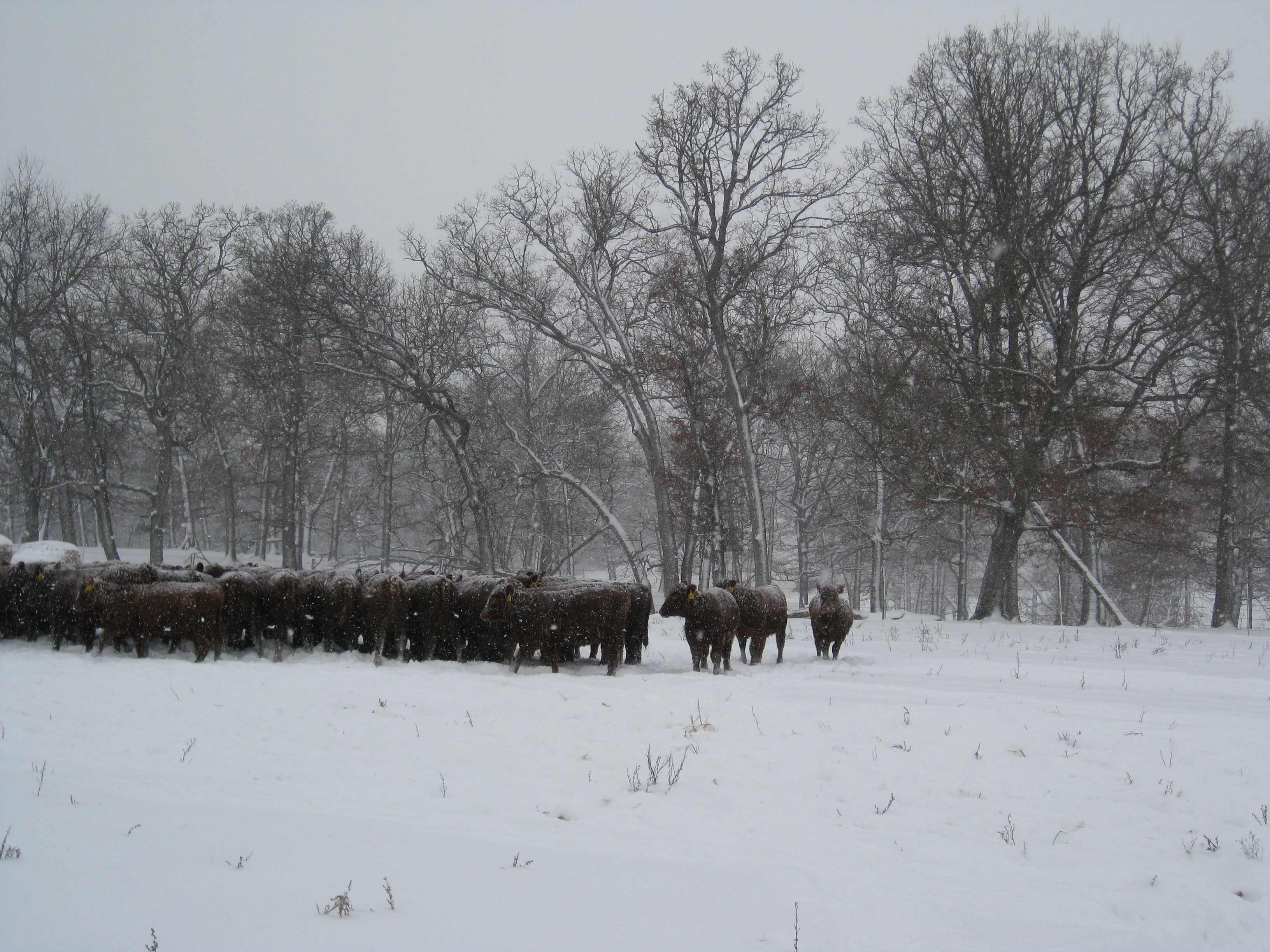
The cattle on my farm can be traced back over fifty years, the hogs over thirty, the chickens over ten.  We are always selecting, always monitoring, always striving.

Thank you Quantum Devices, Inc. for your guess. Since you were the only one to guess which Frost poem is my favorite, you win the $25 gift certificate to Kiva.


Icehouse/Icebox

February 20, 2011

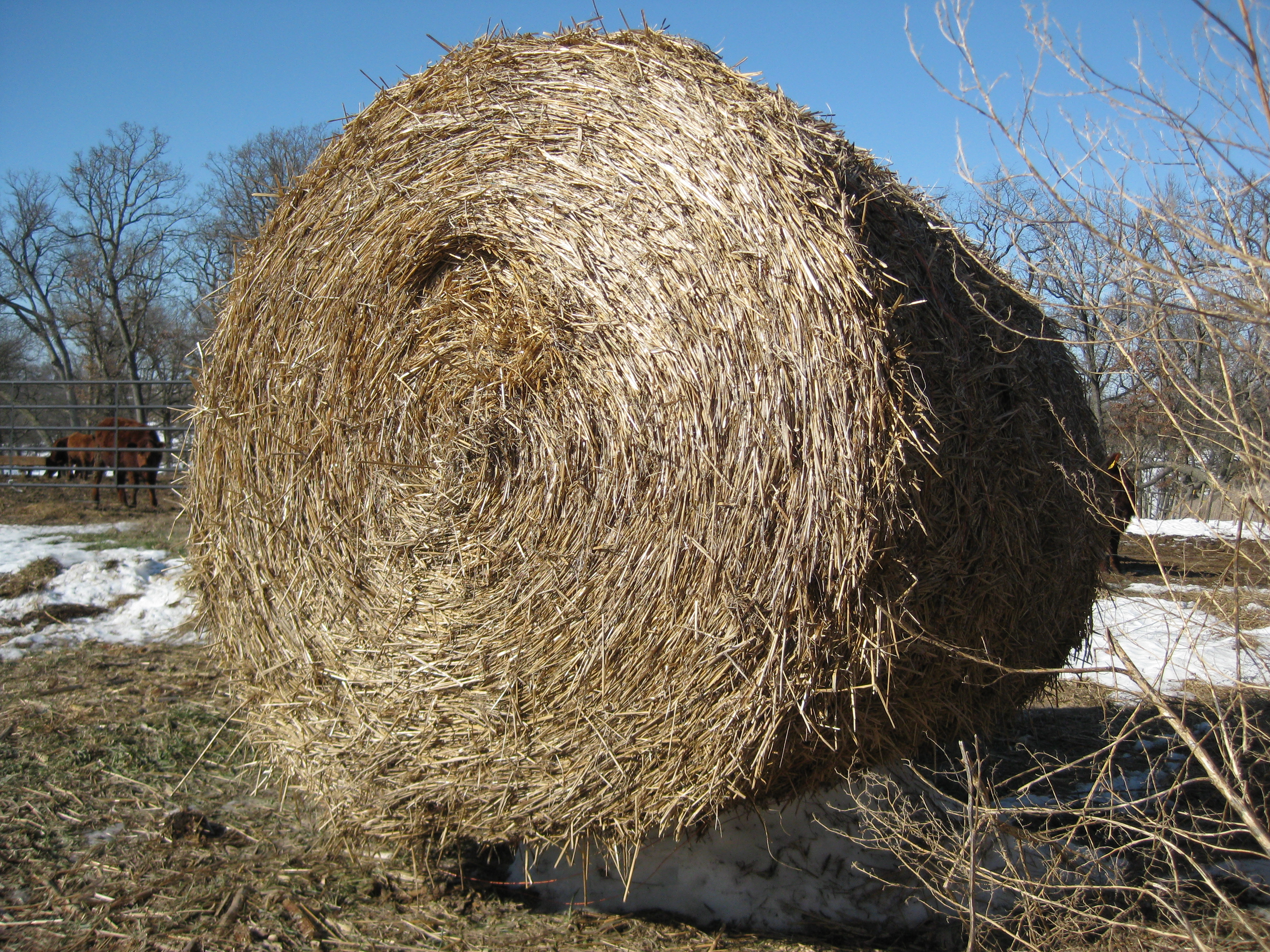
I set this round bale of straw down after the big snow.  We had a big melt this past week and all the snow around it melted, leaving the bale sitting on its own block of ice.  It got me to thinking about the insulating properties of straw.

There is an old building on my Dad’s home farm.  The building is called the Icehouse.  Back in the days before rural electrification, people would cut chunks of ice out of lakes or streams and put the ice into their icehouse.  Then they would insulate the ice with wood shavings or straw.

People had an Icebox in their house to keep food and beverages cool.  There was a place to put a block of ice.  When one block of ice melted, they would go get another one.  Maybe you’ve heard someone refer to the refrigerator as the icebox.

In Henry David Thoreau’s classic, “Walden,” he tells about the time he let a young man warm up in his cabin.  He had fallen in the cold water of Walden Pond when he was out cutting ice.

Thoreau provides details about the process of cutting out ice, which he observed 100 men doing over a span of 16 days.  They made a stack of ice weighing 10 tons.  They covered the stack with hay and boards for insulation, and didn’t open until July.  Even after it was exposed to the air and sunshine, Thoreau says the stack didn’t fully melt until September of the following year.


Taking a Break, Making the Best of…

December 18, 2010

Red clover hay field.  This field is an example of making the best of a bad situation.

The cowherd winters on cropland, walking into the woods for shelter, and water out of springs.  We feed the cows by unrolling round bales of hay on the harvested corn fields.  This is a way to spread the fertility from the cows’ manure, and the damage from the cows’ hooves if the ground is not frozen.

The hayfield above was exposed to the cows, and even though we never fed them hay on it, they chose to stand on it often.  When the ground thawed, the cows did considerable damage to the alfalfa plants.

We monitored the field as everything started to green up in the spring.  We could see most of the alfalfa had been killed and it would not be a productive field.  We had three choices: 1. Do nothing and accept the reduced yield.  2. Till it and plant corn.  3. Plant another forage crop.

We didn’t need the corn acres, and it would mess up our rotation if we put it in corn this year.  It wasn’t slated to be a corn field until 2011.

We decided to plant another forage crop.  There are some grasses which people plant in this type of emergency: Italian Ryegrass, Teff grass.  We wanted a legume, though, which would fix nitrogen for next year’s corn crop, which is what the alfalfa would have done.

We chose Red Clover.  There are disadvantages to Red Clover.  It is short-lived, and it doesn’t dry well for hay.  The first reason didn’t matter in this case, and we decided to try to find dry times to make the Red Clover hay to take care of the second disadavantage.

The main advantage to Red Clover is it’s very easy to plant.  We broadcasted the seed with a small spreader from the back of a tractor, and pulled a chain harrow to cover the seed with a little bit of dirt.  We planted four pounds per acre.

It worked great!  Look at how thick the reddish flowers are in the picture.  We made the best of a bad situation.

And so, I can no longer put off addressing the title of this post.

I’m taking a break from blogging.  I’ve posted consistently for nearly two years.  I’ve met people, made friends, learned, shared, in short, it’s been a blast!  Thank you for visiting, commenting, and sharing.  Without you, a blog is a journal.  With you, a blog is a conversation.  Thank you for your conversation!

Merry Christmas and Happy New Year!


First Snow

December 7, 2010

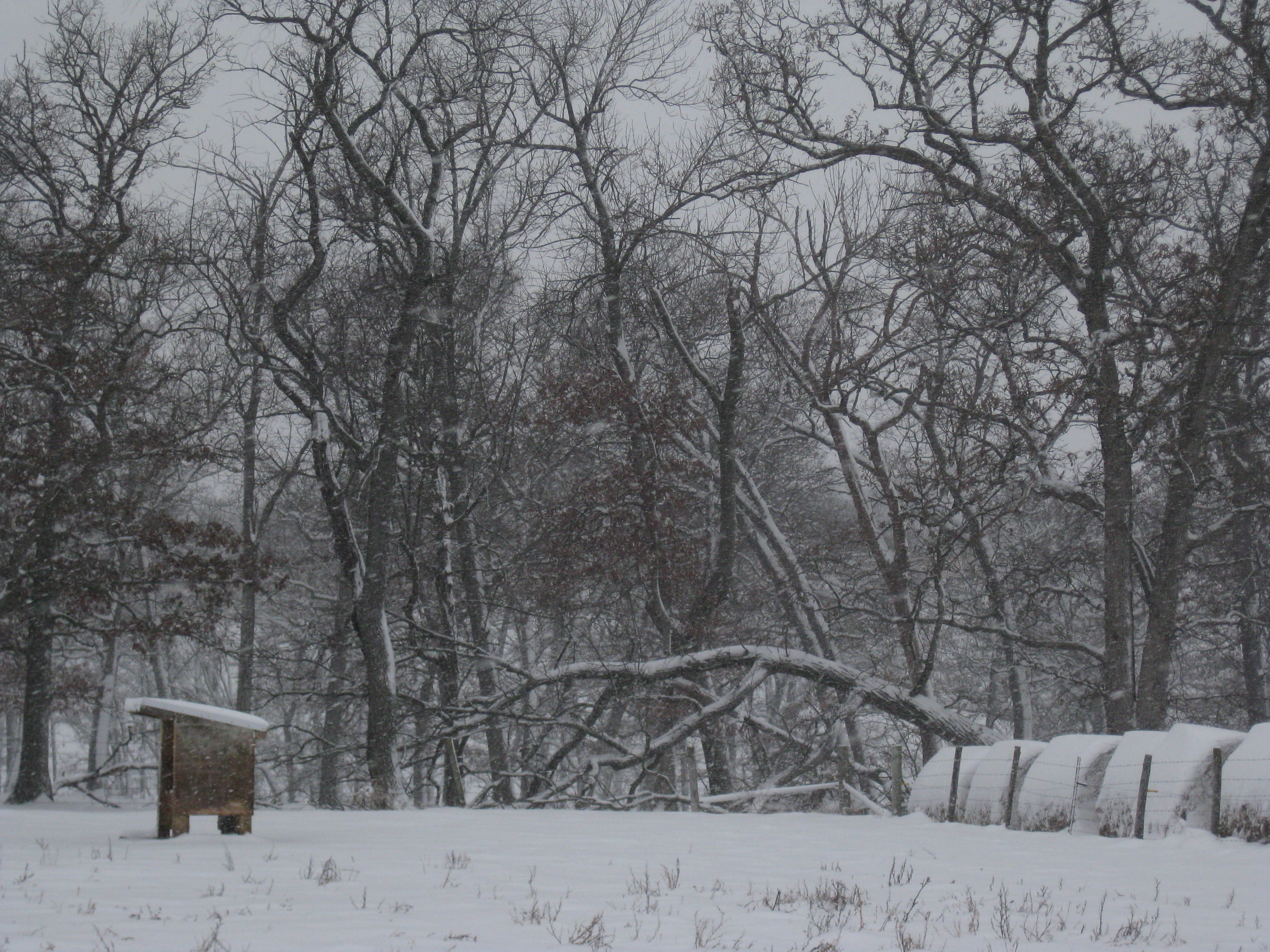
The first snow is met with enthusiasm by children, snow-plow drivers, and snowmobilers.

The beauty of snow on the farm is tempered by the extra work.

As soon as it stops falling, we push it, pile it, and shape it to our will.


Outdoor Wood Boiler III

November 24, 2010

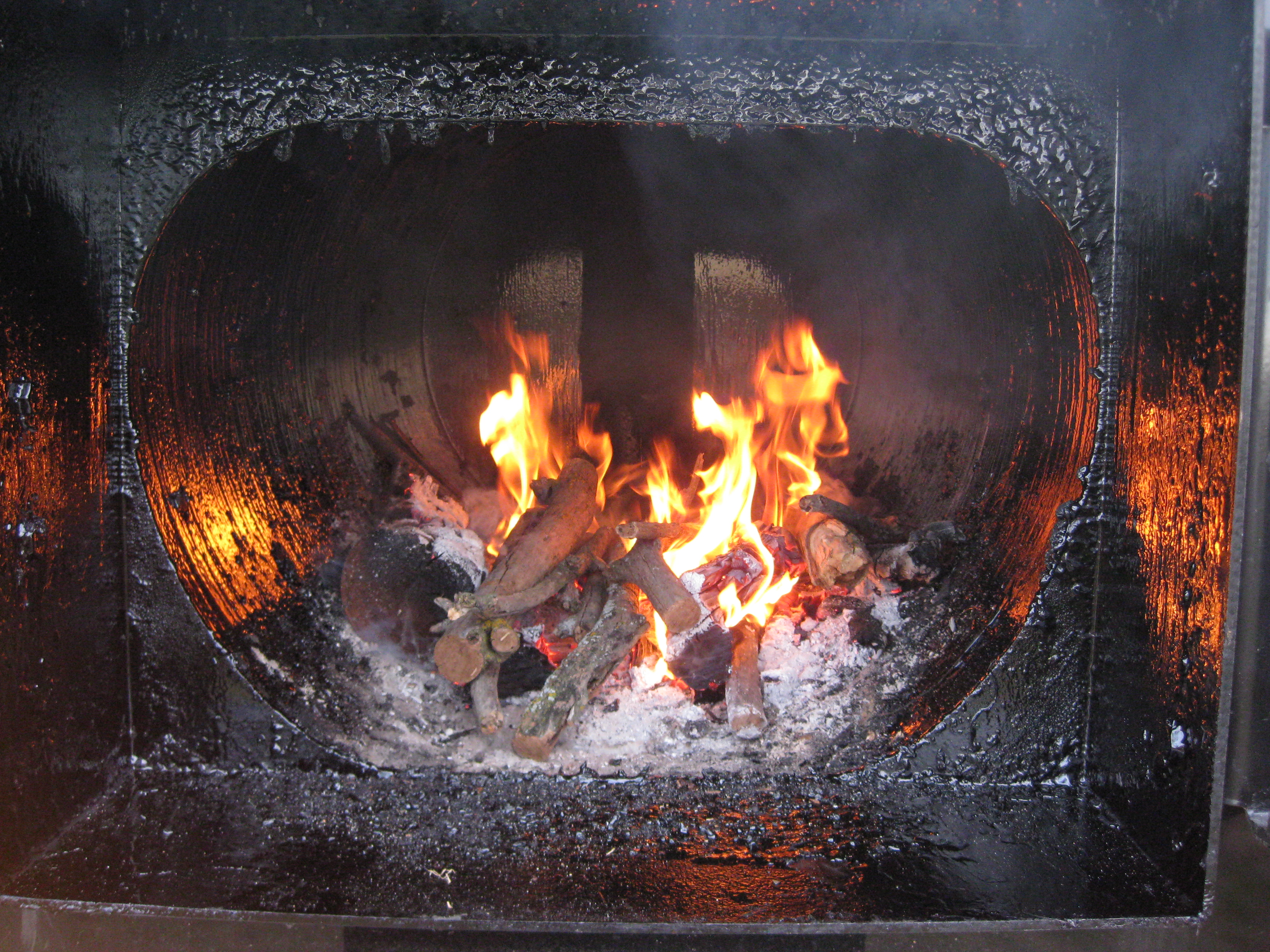
The firepit.  I haven’t let the fire go out since I started it about a month ago.  I’ve gone 14 hours between fills.

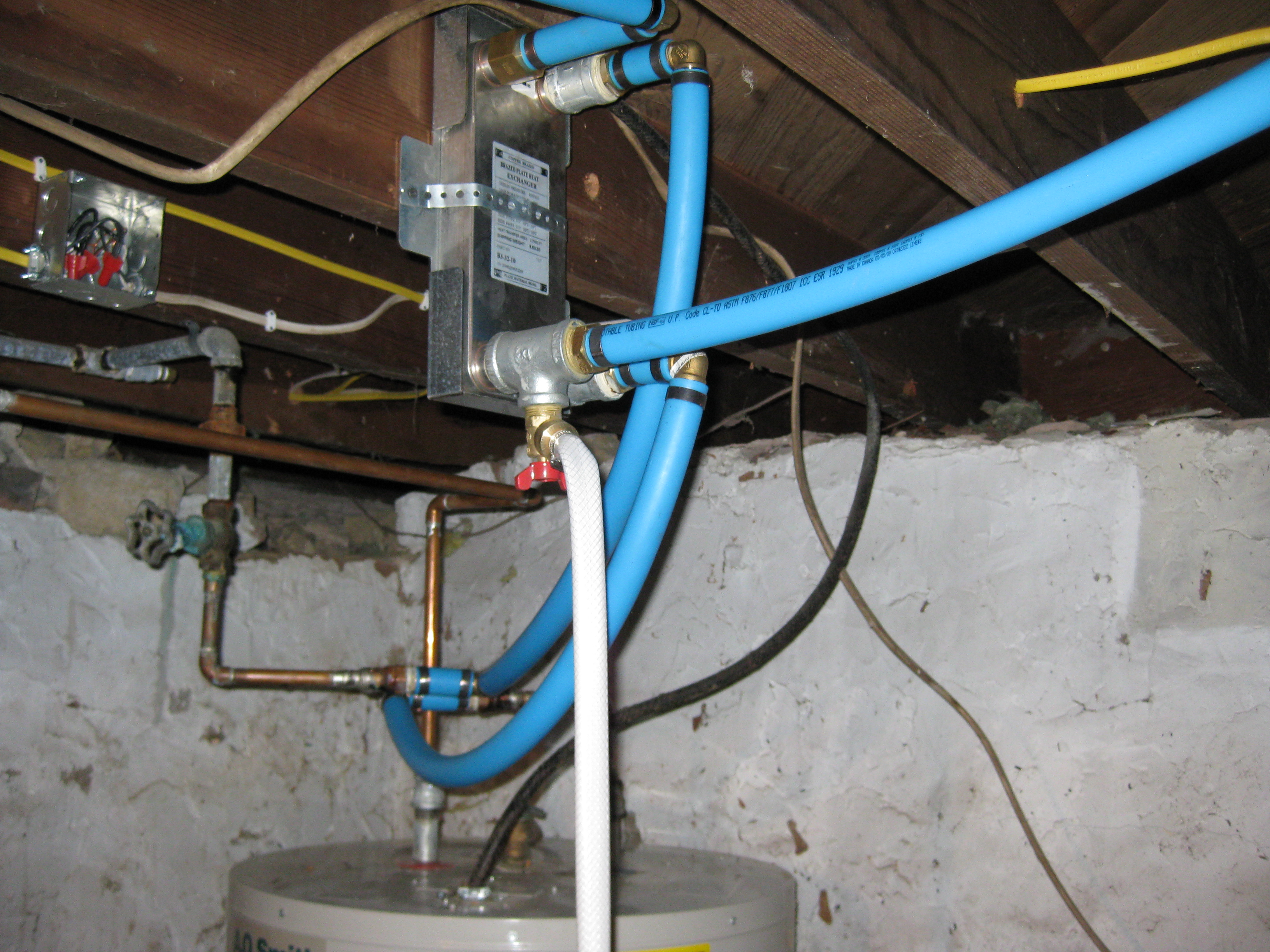
The hot water goes to a heat exchanger above the water heater, first.  I’m hoping this will save on my electric bill.

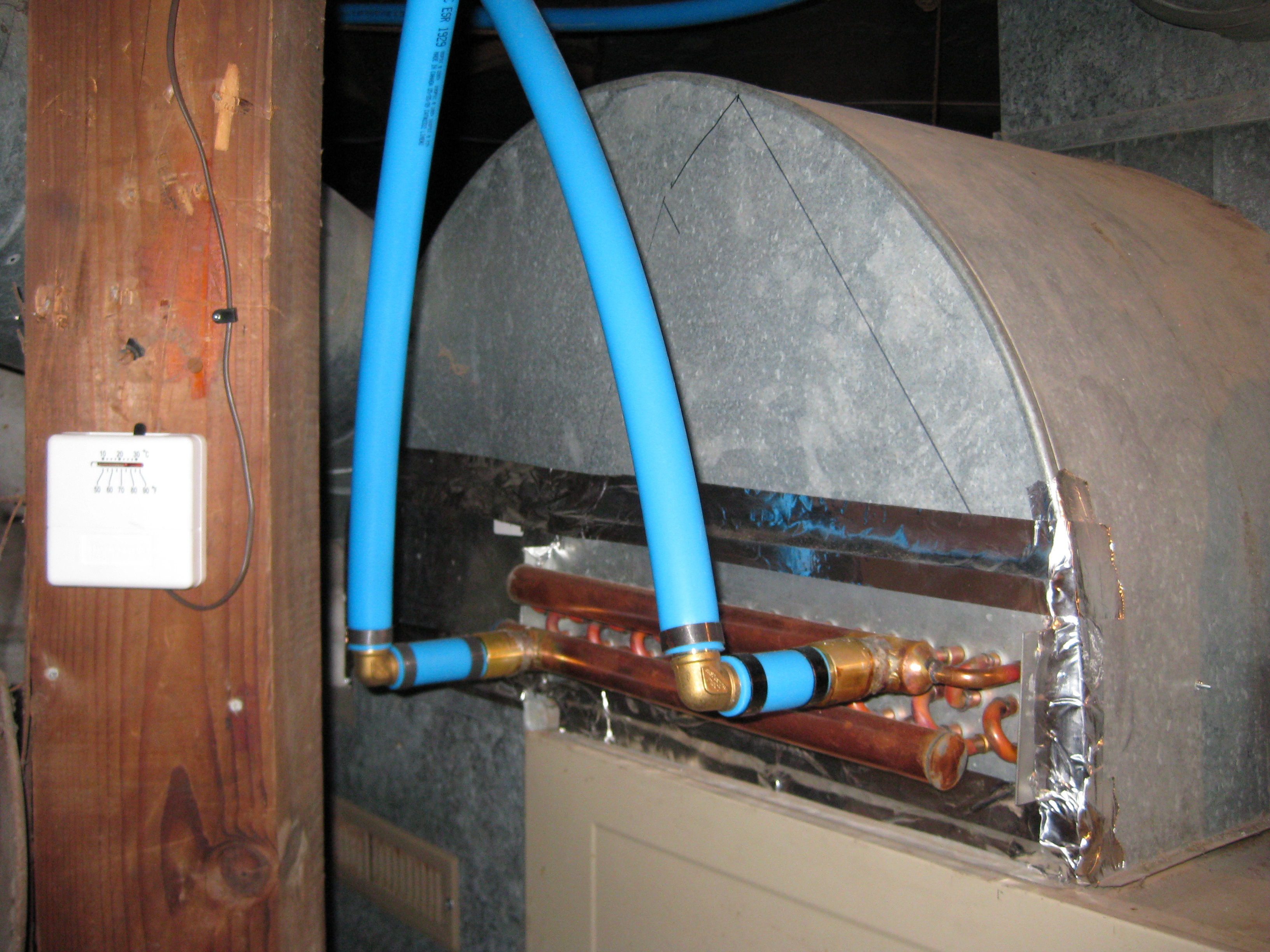
The hot water then travels to a radiator which was placed in the plenum of my original furnace.  The fan from the furnace blows air across the radiator when heat is needed.

The blue pipe is something which is new to me,  Pex pipe.  I appreciated how fast and easy it is to work with.

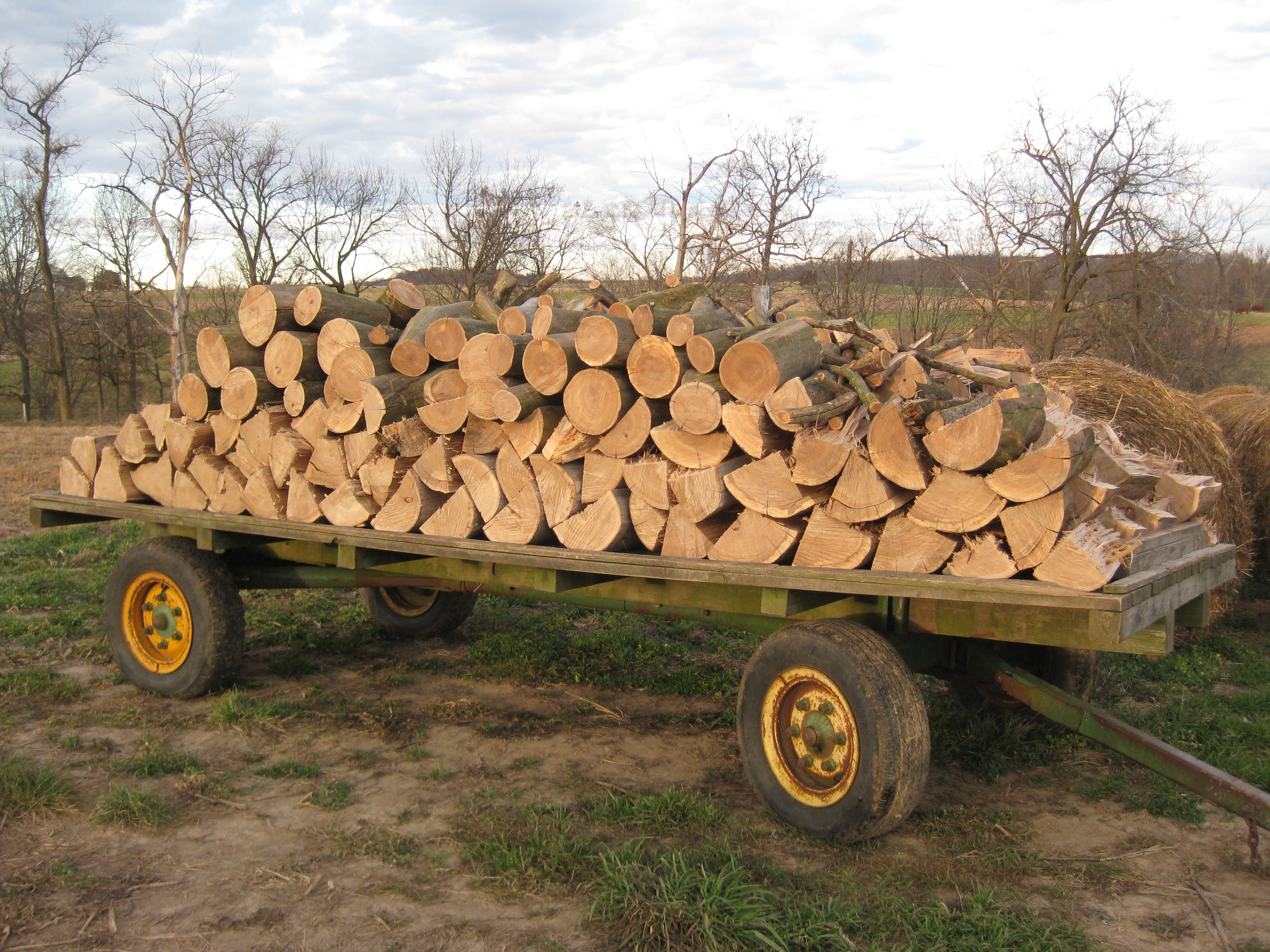
Now I just need more of this!  Happy Thanksgiving!


Outdoor Wood Boiler II

November 23, 2010


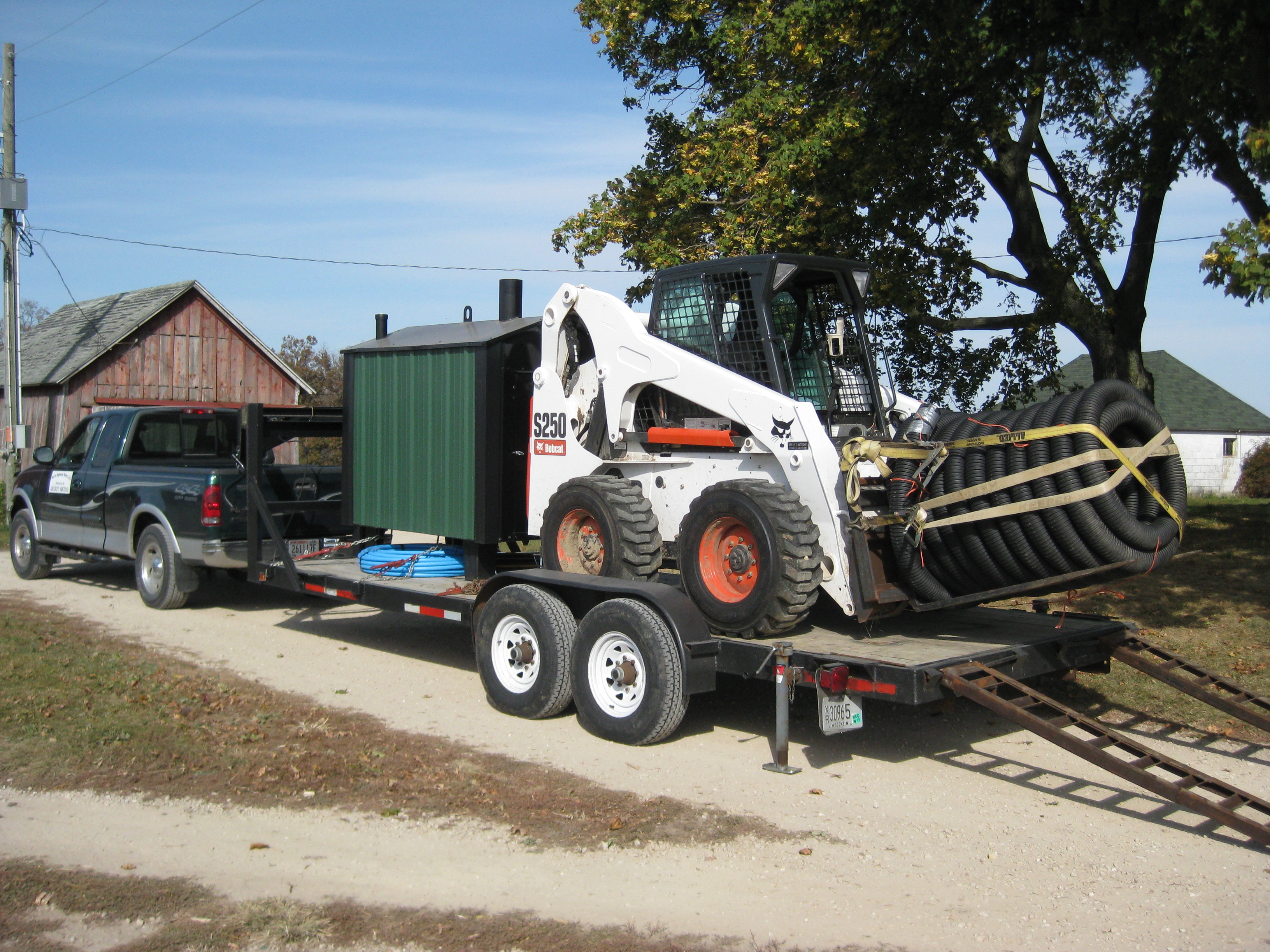
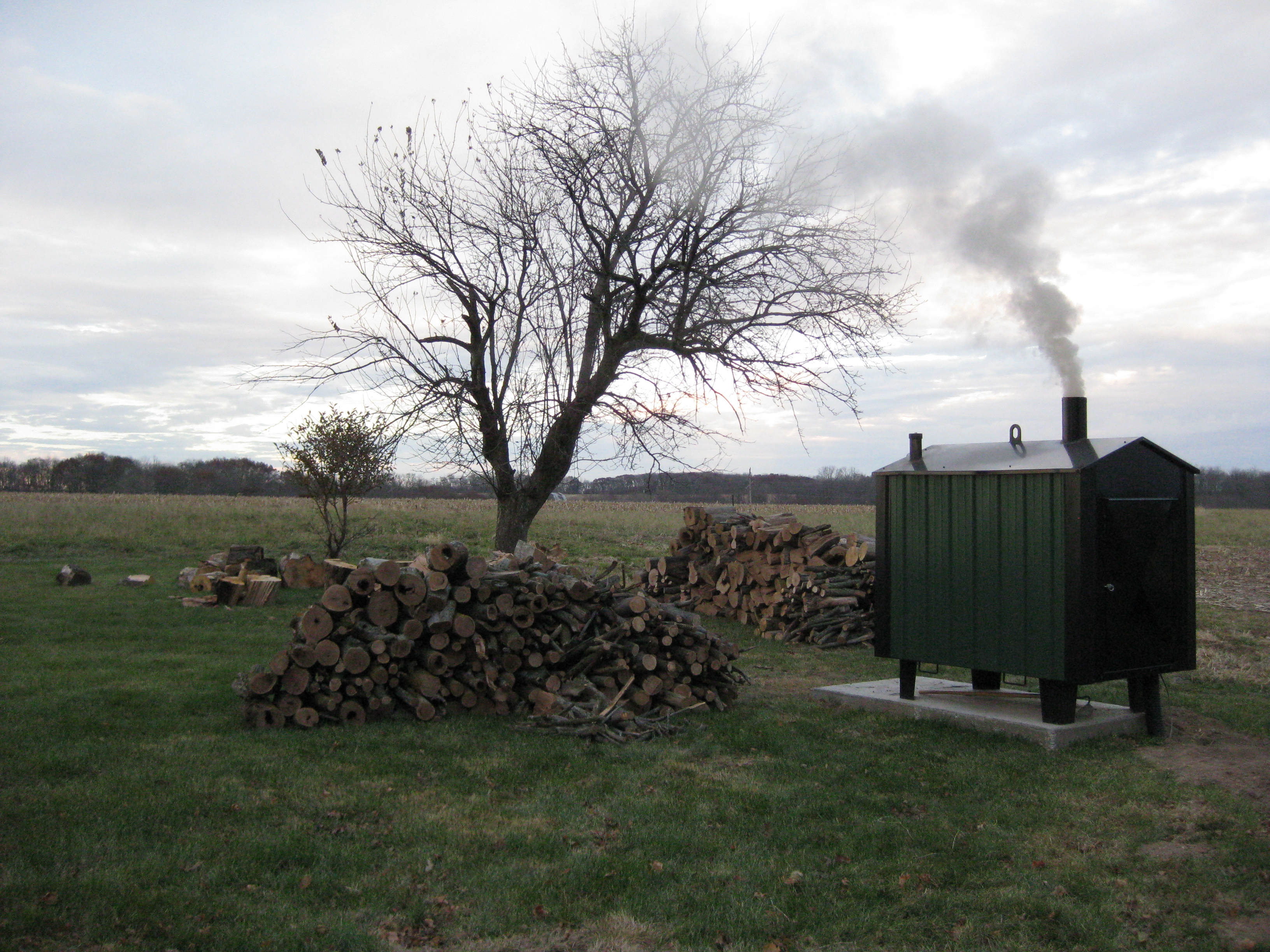
Outdoor wood boiler, ready to unload.  Mel uses his bobcat to set it into place.  At the front of the bobcat is the water line in black, plastic pipe. 

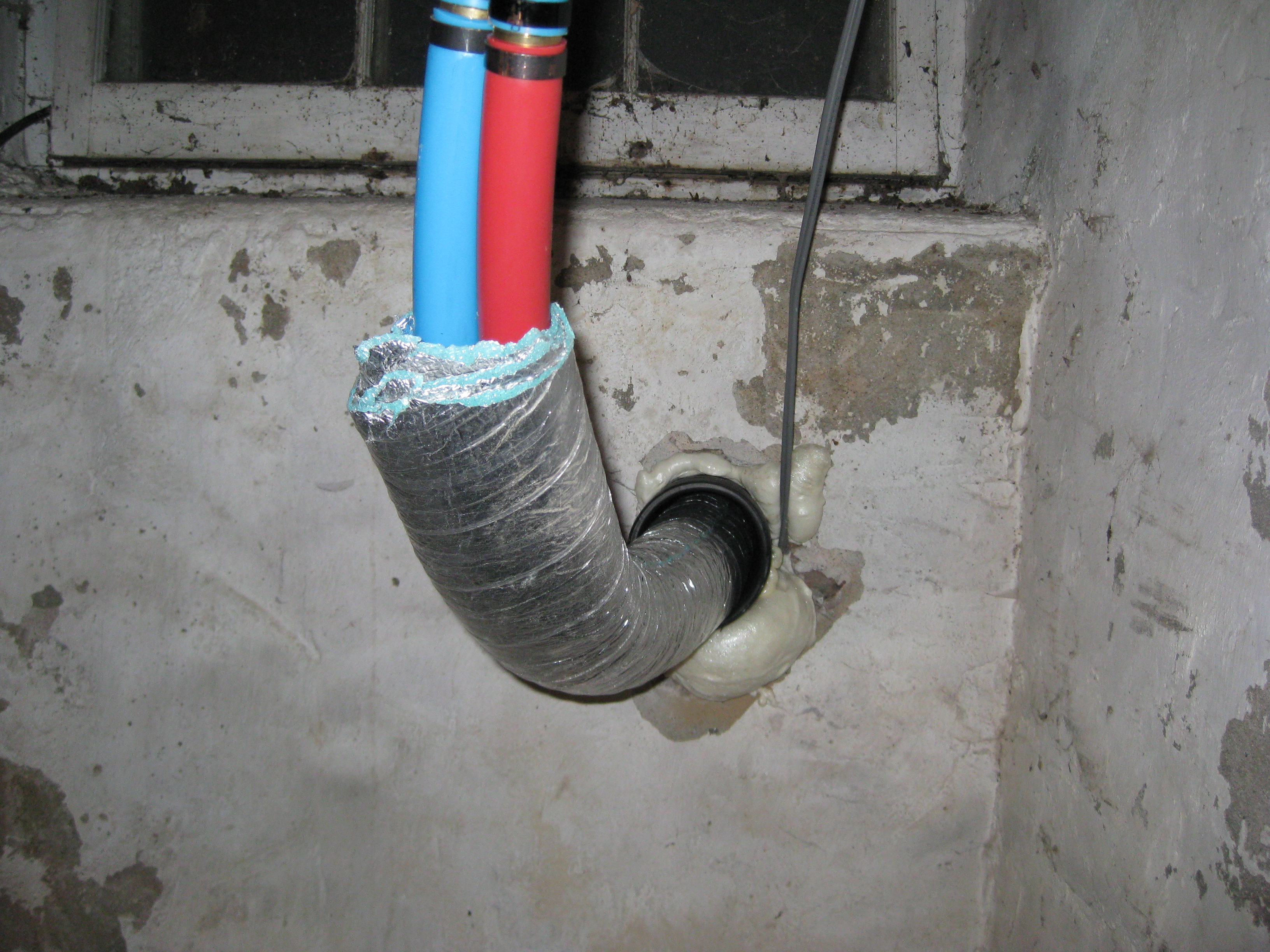
There are two water lines within the black pipe.  Incoming in red, and outgoing in blue.  The hot water continually circulates via a pump.  The water lines are also covered in insulation within the black pipe.  It was a real pain to drill through the basement wall.

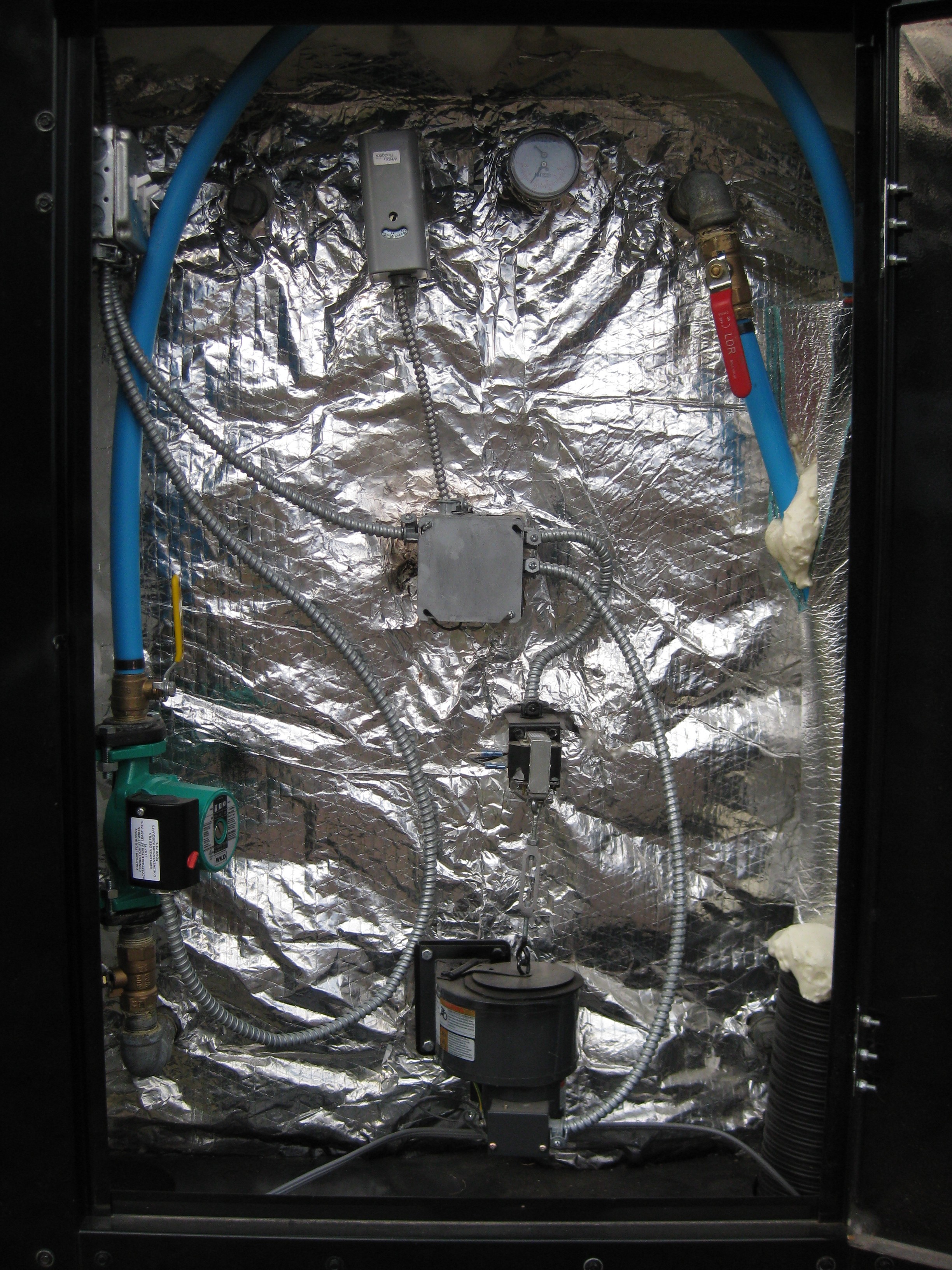
The water pump is on the left.  Bottom center is the fan, which kicks in when the temperature of the water decreases to a certain level.  I can adjust the temperature of the water.  Right now, the fan shuts off when the water temperature reaches 145 degrees F.


Outdoor Wood Boiler I

November 22, 2010

I purchased and helped install an outdoor wood boiler to heat our house.  I purchased the 250 gallon model from Nature’s Comfort, mainly due to the sales and service of Mel Flogel.  It wasn’t cheap.  The basic unit was $6500, but including everything pushes the cost close to $10,000.  It will take a few years to pay back over the heating oil I used before, but I’ll feel better, keeping the house warmer for my family.

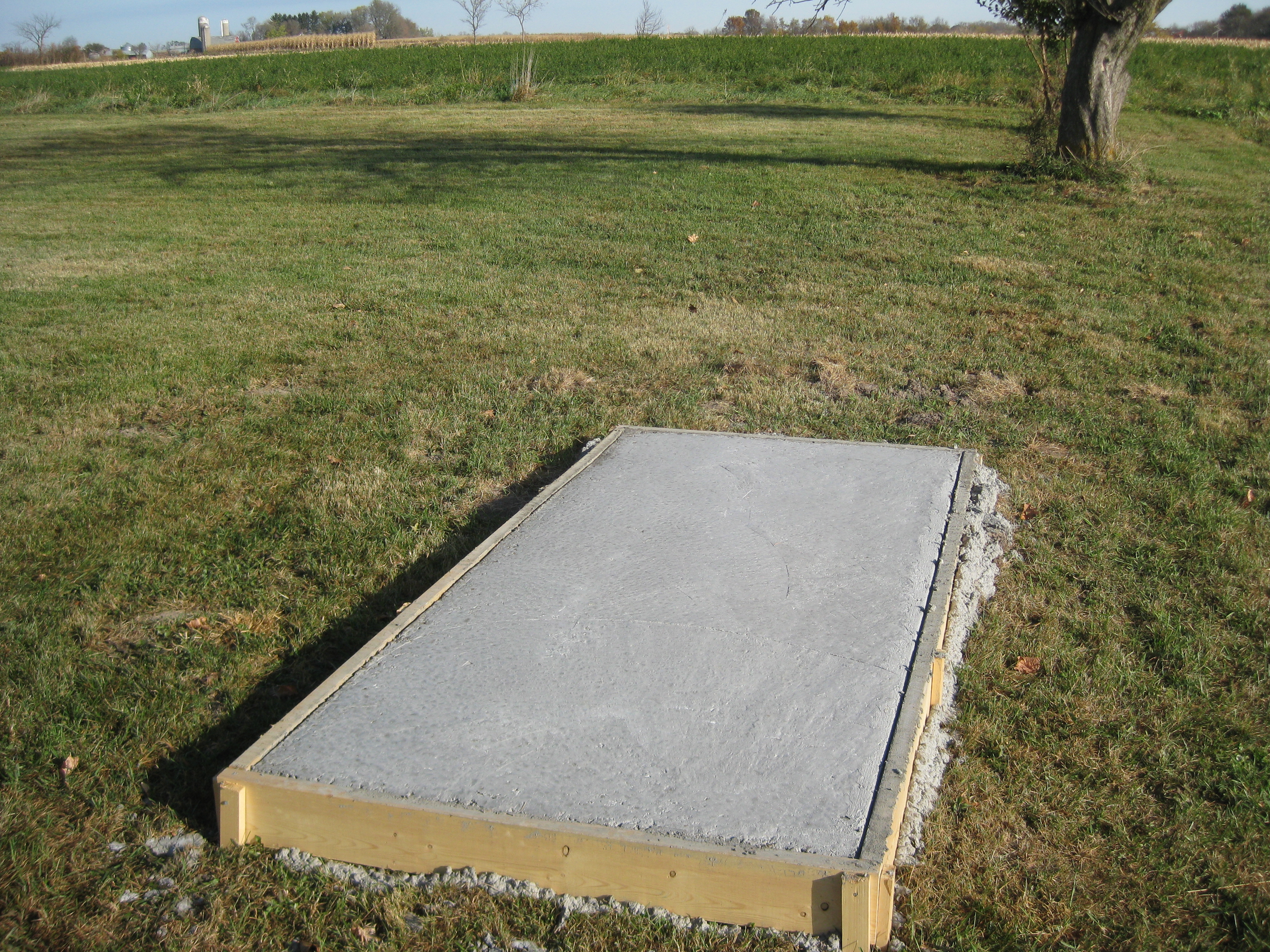
First I had to pour a pad of concrete.

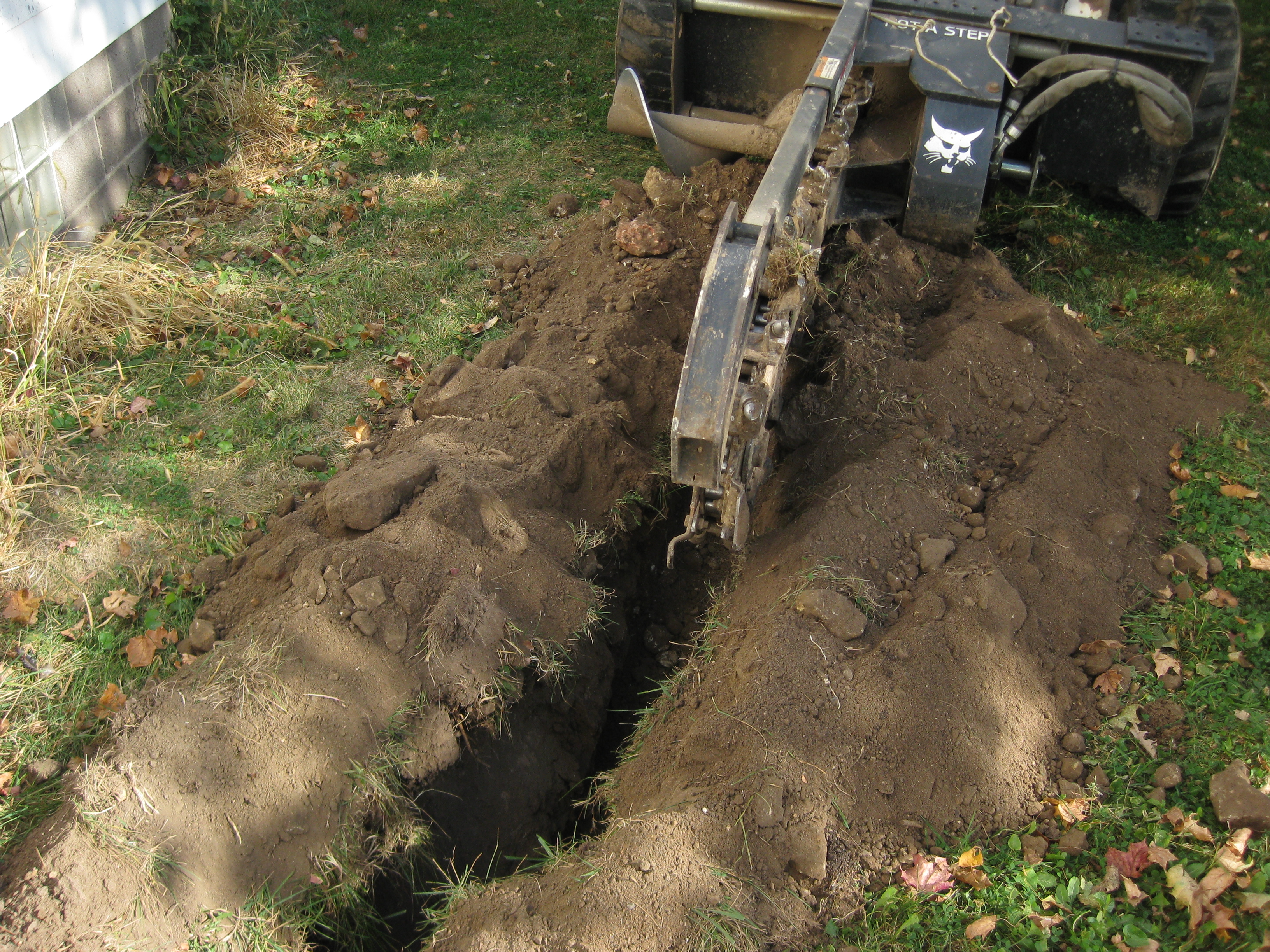
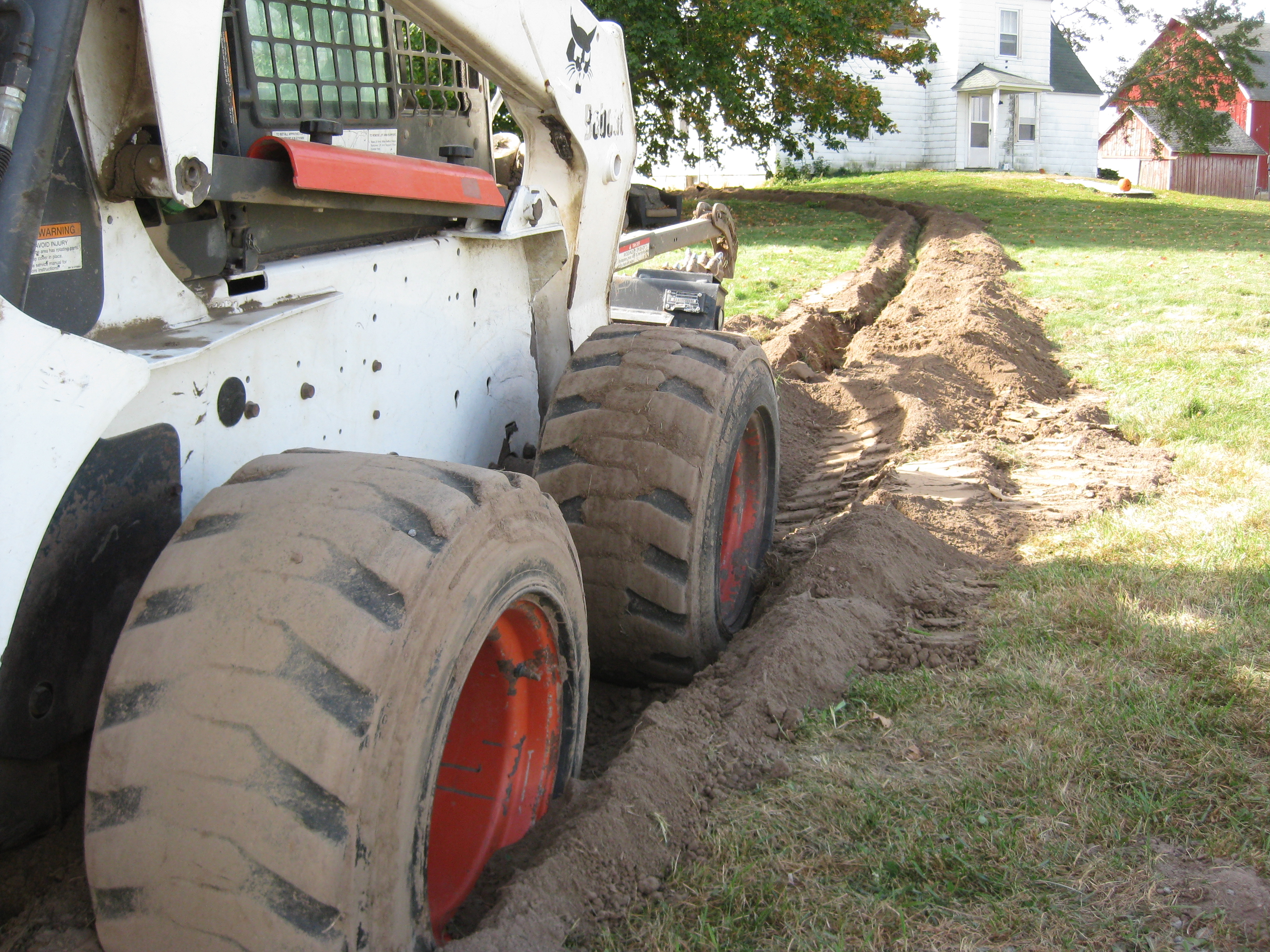
Then I had to dig a four foot deep trench for the water lines.  I rented a bobcat with a trencher attatchment from K&L Bobcat.

Citygirlfriend said, “Why didn’t you ask for a person to run it?  They have to deliver it right?  It probably wouldn’t have been much more expensive.”

“Because I want to run it.”

I figure if they are willing to turn me loose on a $50,000+ machine with very little instruction, I better take advantage.  When will I get another opportunity to run this bad boy?

It was tough-going by the house.  I think they backfilled with rock along the foundation.  After I got farther away from the house, though, it was easy.  Rich, black dirt, all the way down.

The one thing the trencher doesn’t do well, is turn.  So I had to lift the trencher, and manuever the bobcat on the curves.  Unfortunately, I found the trench on one of my manuevers and got the bobcat stuck.  No worries, Dad got a tractor and pulled me out.

I’ll have a couple more posts on this subject.


Car For Sale

September 18, 2010

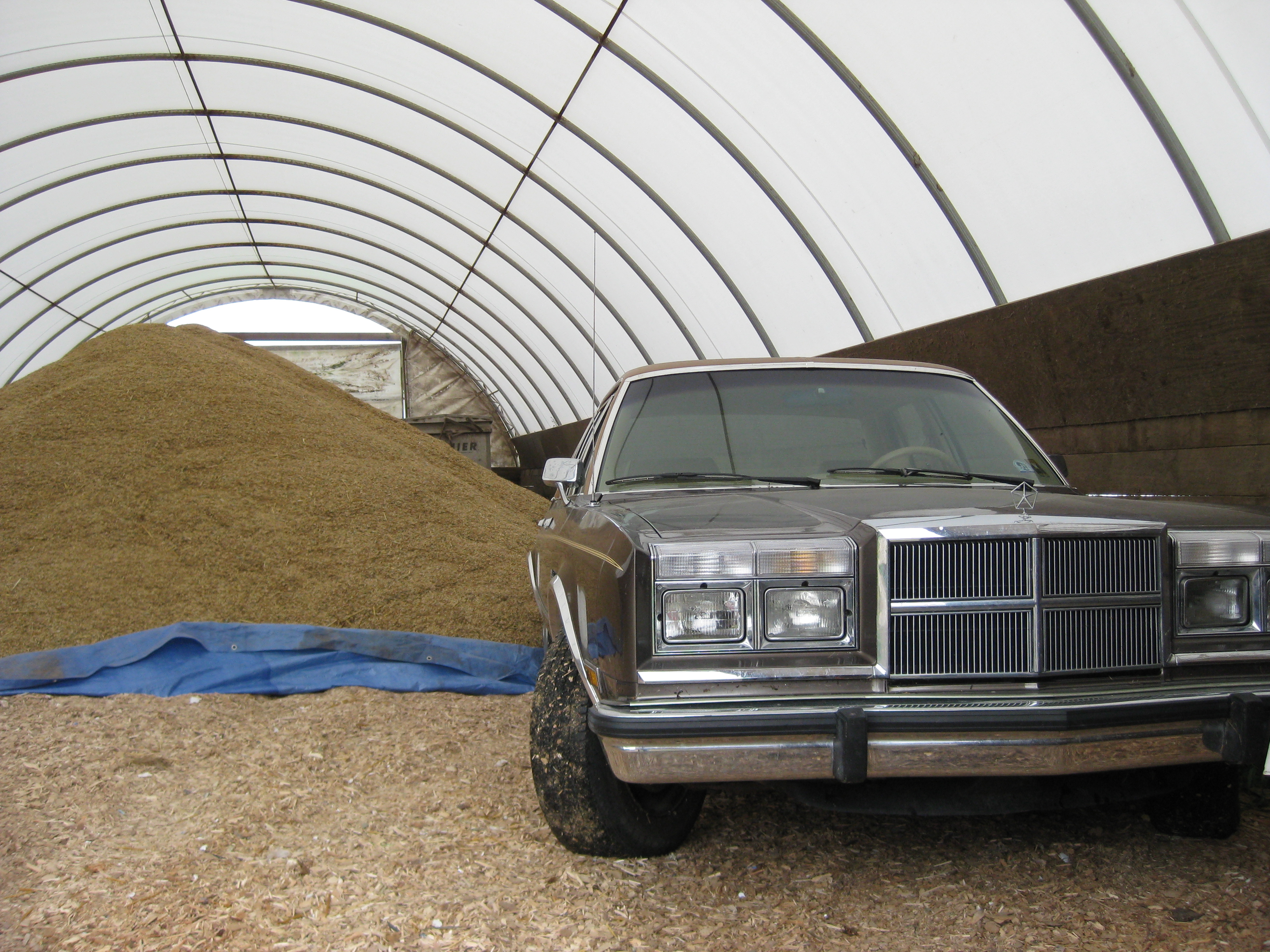
I’m selling my 1987 Dodge Diplomat.  It doesn’t have shoulder restraint seat-belts in the backseat, hence, not safe enough for the boys.

I have owned two Plymouth GranFury cars before this.  They are basically the same car, with the same, .318, V8 engine.

Now I drive a four-wheel drive, GMC Jimmy.  It’s more practical for family and farm, but I’m going to miss the Diplomat.


Lafayette County Fair: Swine Ultrasound

August 6, 2010

Swine barn, Lafayette County Fair.

Because of my background as a certified swine ultrasound technician, the fair superintendent asked me to line-up a technician.  Ultrasound is used to evaluate a hog’s carcass.  Below is a picture of the technician with the probe on a hog’s back.  The information is entered into a computer and a formula is used to rank the hogs on percent lean.

The measurements taken are backfat and loin muscle area.  These two statistics, along with the weight of the hog, are used in the percent lean formula.  Look at the screen in the picture below and see if you can see the layer of backfat above the roundish loin muscle area, (pork chop).  Also visible is a rib in the lower right-hand corner.

Even though I used to be an ultrasound technician, I miss the old days when we actually measured the carcass.  We would show our hog at the fair on Friday.  Sell it at the auction on Saturday.  Load it onto the trailer on Sunday.  And see it’s carcass hanging on the rail on Wednesday.

One summer my sister went to band camp and as introductions were made, each camper told what they had been doing this summer.  When it was my sister’s turn, she said, “I got a blue ribbon at the carcass show.”


Lamb’s Quarters? Pigweed? Scientific Names, Please!

July 11, 2010

Lamb’s Quarters in hand, Pigweed on right.  Or is it the other way around?  It may be, depending on where you live.

I took Shepherd and Gameboy to the Johnson Public Library and signed them up for library cards.  Serendipity helped me find “Stalking the Wild Asparagus” by Euell Gibbons, in the used book pile.  I quickly gave the librarian a dollar for this wild food foraging classic from the 1960’s.

I turned to the chapter on Pigweed, because Citygirlfriend has been sautéing Pigweed, lately.  But I was confused because the picture looked like the plant I call Lamb’s Quarters.  As I read further, I realized I need to start using scientific names.  Euell explains why, with reasoning that resonates.

“Years ago, I was very impatient with anyone using a long Latin name to designate a common, ordinary plant.  I considered the use of these tongue-twisting titles to be an affectation, designed to show off the knowledge of the user.  Why couldn’t these high-brows use the common name, which everyone understood?

I think it was the Pigweed, more than anything else, that cured me of this attitude.  Pigweeds are among the commonest of the unwanted plants in fields, gardens and barnyards in Pennsylvania.  Therefore, I was not surprised to find that pigweeds were also common in Indiana, when I traveled there.  I learned that farmers in Tennessee, Texas, New Mexico, California and even Hawaii were troubled with pigweeds.  Obviously these farmers should get together and learn some way of controlling this troublesome weed.  The only difficulty with this procedure was that, in each of these localities, the “pigweed” was a different kind of plant.  To complicate matters even more, ‘Chenopodium album’, the pigweed of Pennsylvania, also grew in all these other places.  In some sections it was called Lamb’s Quarters, in some Goosefoot and in still other it was referred to as Wild Spinach.

I began to see why the botanical classification was necessary.  Many totally different plants are called pigweed in some parts of the world.  The plant I call pigweed is known by dozens of other common or folk names in different places.  Therefore any attempt to use the common name in distant places would only lead to confusion.  But I can say ‘Chenopodium album’ and a trained botanist from any part of the world would instantly know the precise plant meant.  Far from confounding the confusion, these Latin names greatly simplify the task of communication in this area.

More than that, the botanical name can tell me more about the plant in question than even the most descriptive common name ever could.  If I had never seen this particular plant, the name ‘Chenopodium’ should tell me that this weed is a member of the same family to which garden beets and spinach belong.  If I don’t have this knowledge at my fingertips, I can easily look it up in any botanical manual.  About this time I’ll begin to suspect this plant might be good to eat.”

Well said, Euell!  So I’m using scientific names now.  The plant in my hand  is Chenopodium album, and the plant on the right is Amaranthus retroflexus.  Both are wild edibles enjoyed at our table.