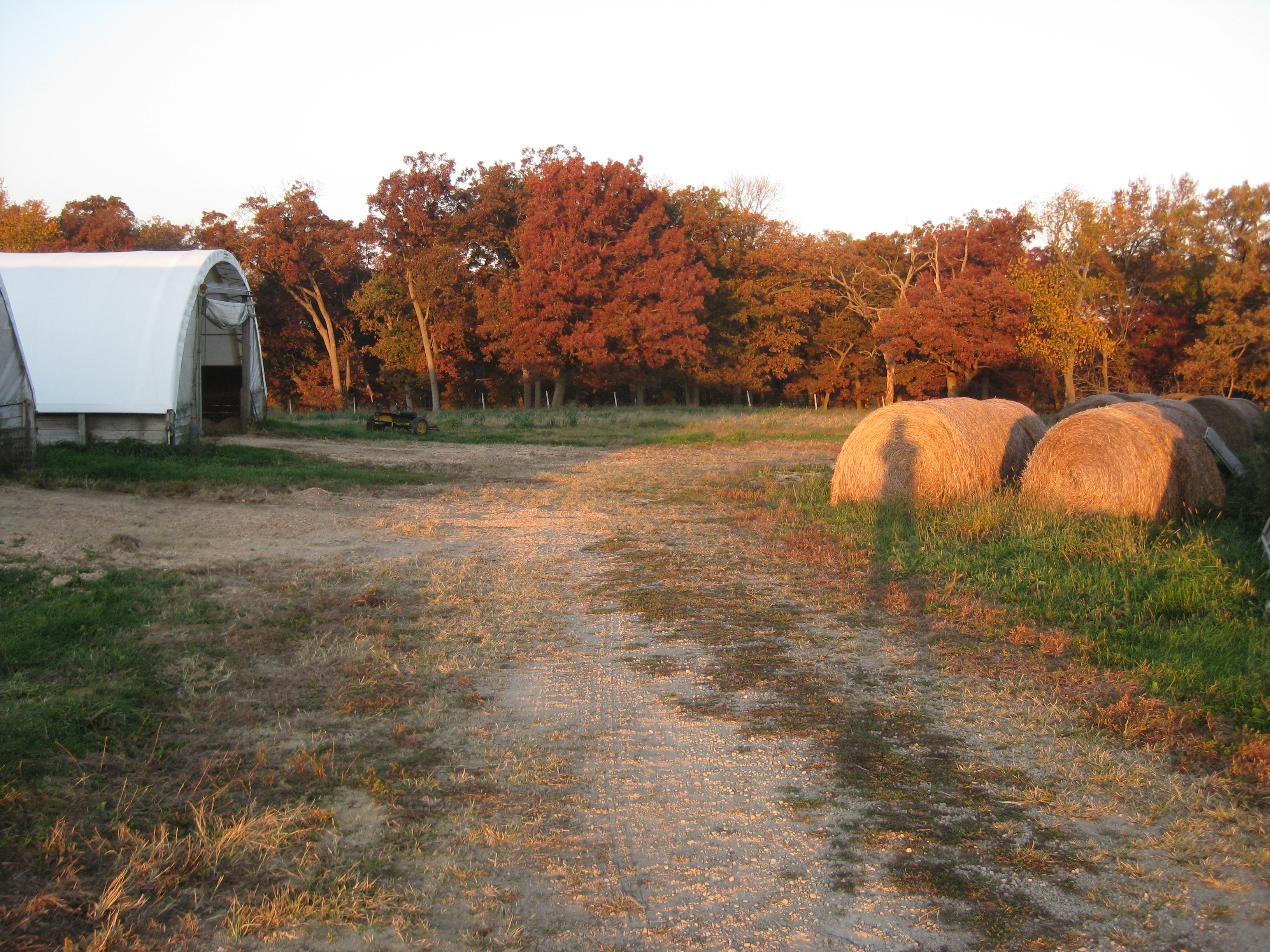
We had a short, yet brilliant, season of fall colors.
I’m going to give Square-Foot Saturdays a rest, checking in occasionally if anything changes. We are expecting a hard frost tonight, so the growing season is pretty much over.
We had a short, yet brilliant, season of fall colors.
I’m going to give Square-Foot Saturdays a rest, checking in occasionally if anything changes. We are expecting a hard frost tonight, so the growing season is pretty much over.
 3 Comments |
  Curious Square-foot, Curious weather |
  Permalink
 Posted by Curiousfarmer

My friend Mark came over on Tuesday and helped me sort the cows away from the calves. Then we ran them through the chute and gave them their second round of vaccinations.
We like to leave them in the corral for a couple of days until the bawling slows. If you move them right away, the cows will go through about any fence just to stand next to their calf. It’s probably driven by milk hormones. After three days the cows are ready to go to greener pastures.
Unfortunately we received two inches of rain on Wednesday. The corral dirt turned into slop, and Dad and I had to slog through the mud to sort and move the calves. The steers are now at my farm, and the heifers are at my parent’s farm.
We still haven’t had a hard frost. The light frost of a few weeks ago only browned the pumpkin and squash leaves.
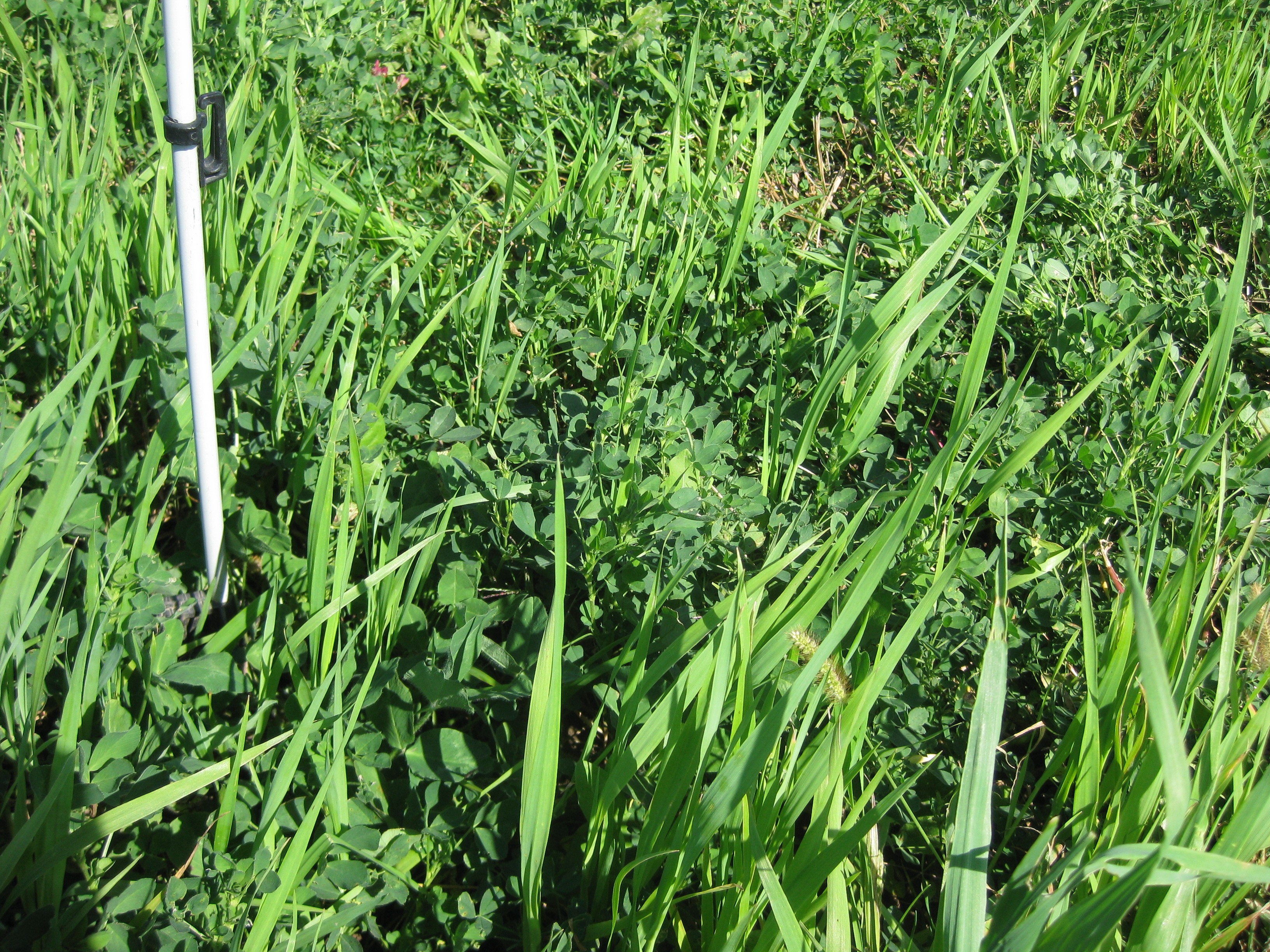
Leave a Comment » | Curious Square-foot | Permalink
Posted by Curiousfarmer

I took three cutting off this hay field, and it’s ready to be cut or grazed again at the end of September. I’ll wait until after a hard frost, but before the snow gets deep, to graze this field with cattle.
If I grazed this field now, the alfalfa may use most of its root reserves to initiate regrowth. If a hard frost shuts down the alfalfa at this point, it may have a difficult time surviving the winter because its root reserves are too low. Grazing or cutting after the plant has gone dormant has little effect. The time I avoid cutting or grazing is from about September 15th to October 15th, for this climate.
—
Justin, formerly of Midwestern Bio-Ag, took two forage samples, one from first cutting, and one from second cutting. The samples were taken from square bales, stored in the barn. First cutting was baled June 1st. Second cutting was baled July 8th. The alfalfa was full-bloom both times.
I don’t understand forage testing very well. If you want an in-depth explanation, check out this excellent article from the University of Kentucky.
These were the first forage tests I’ve ever taken on my farm. I’ll share some of what I learned.
Even though both cuttings were taken when the alfalfa was full-bloom, 2nd cutting was considerably higher in quality than 1st cutting. The cattle’s preference confirms this. 2nd cutting was higher in protein, (17.28 to 16.58), lower in ADF fiber, (31.96 to 37.23), higher in TDN total digestible nutrients, (57.06% to 51.13%), and higher in RFQ relative feed quality, (143.91 to 108.68).
I’ll summarize what these numbers mean to me. Cattle can maintain their weight eating the first cutting hay, and gain some weight eating the second cutting hay.
Some other interesting findings, calcium was low, lending credence to the importance of added calcium, which I have not done. Manganese was fine, which is strange because my soil tests show low manganese. Potassium was high, which is also strange because I didn’t add any potassium in the spring, eliminating the theory of luxury consumption, and the soil tests show medium potassium.
If you have any thoughts about this, please share.

3 Comments | Curious crops, Curious fertilizer, Curious forage | Permalink
Posted by Curiousfarmer

We buried a family friend yesterday. Sgt. Jakob J. Roelli was killed in action in Kandahar province, Afghanistan. He was 24.
I remember talking to a friend in the late 80’s. He had joined the National Guard to help pay for his college. We thought there was no way he would ever see active duty, because the US was done with war. Vietnam was still fresh, and the Soviet Union was collapsing. He ended up seeing active duty in the first Iraq war.
Now this young man who I’ve known since he was a baby is dead. We’ve been in Afghanistan for ten years. The original intent as I understood it, was to oust the Taliban and bring Osama Bin Laden to justice. I don’t know what our goal is now. I’m sad.
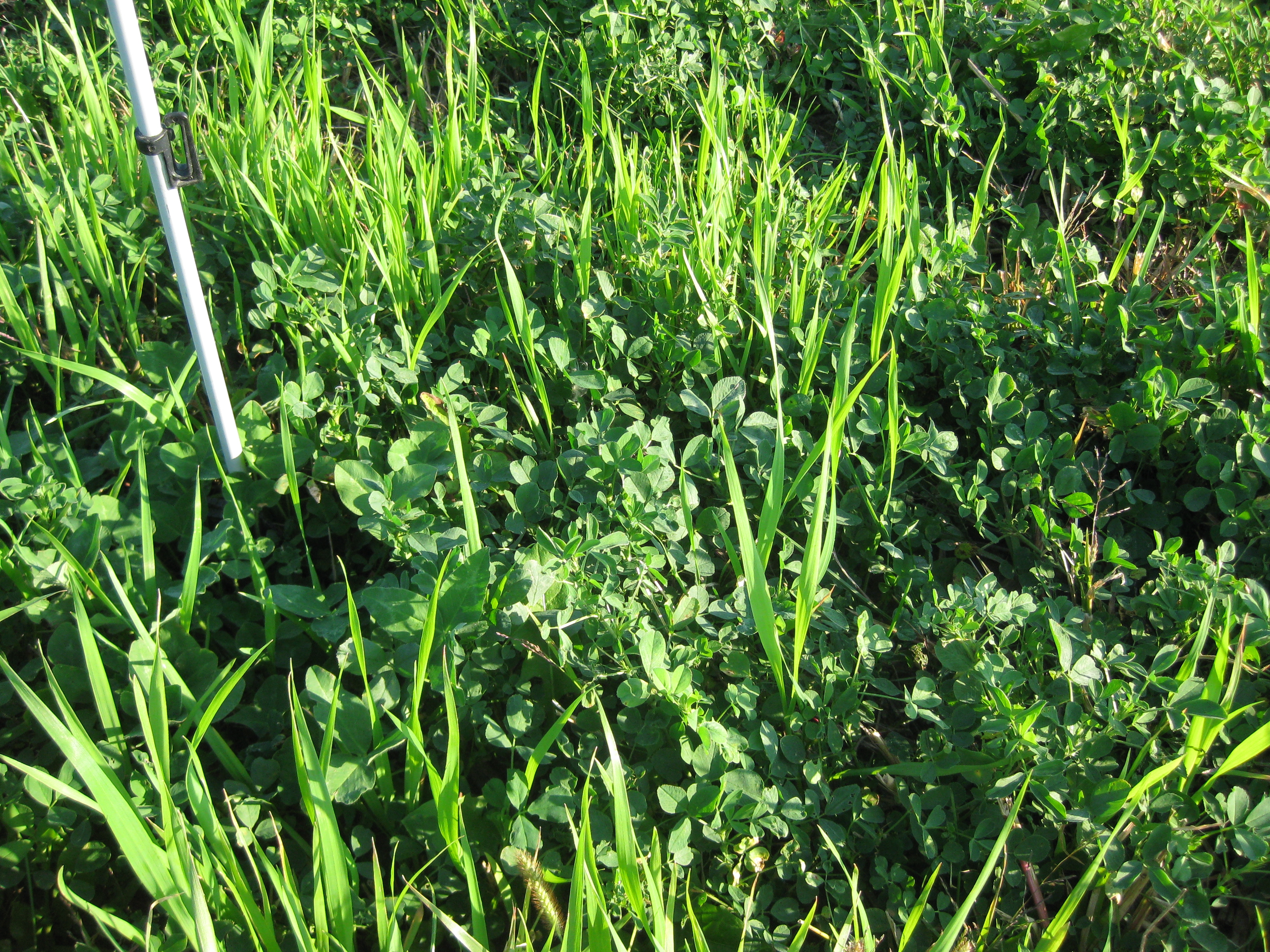
5 Comments | Curious Square-foot | Permalink
Posted by Curiousfarmer
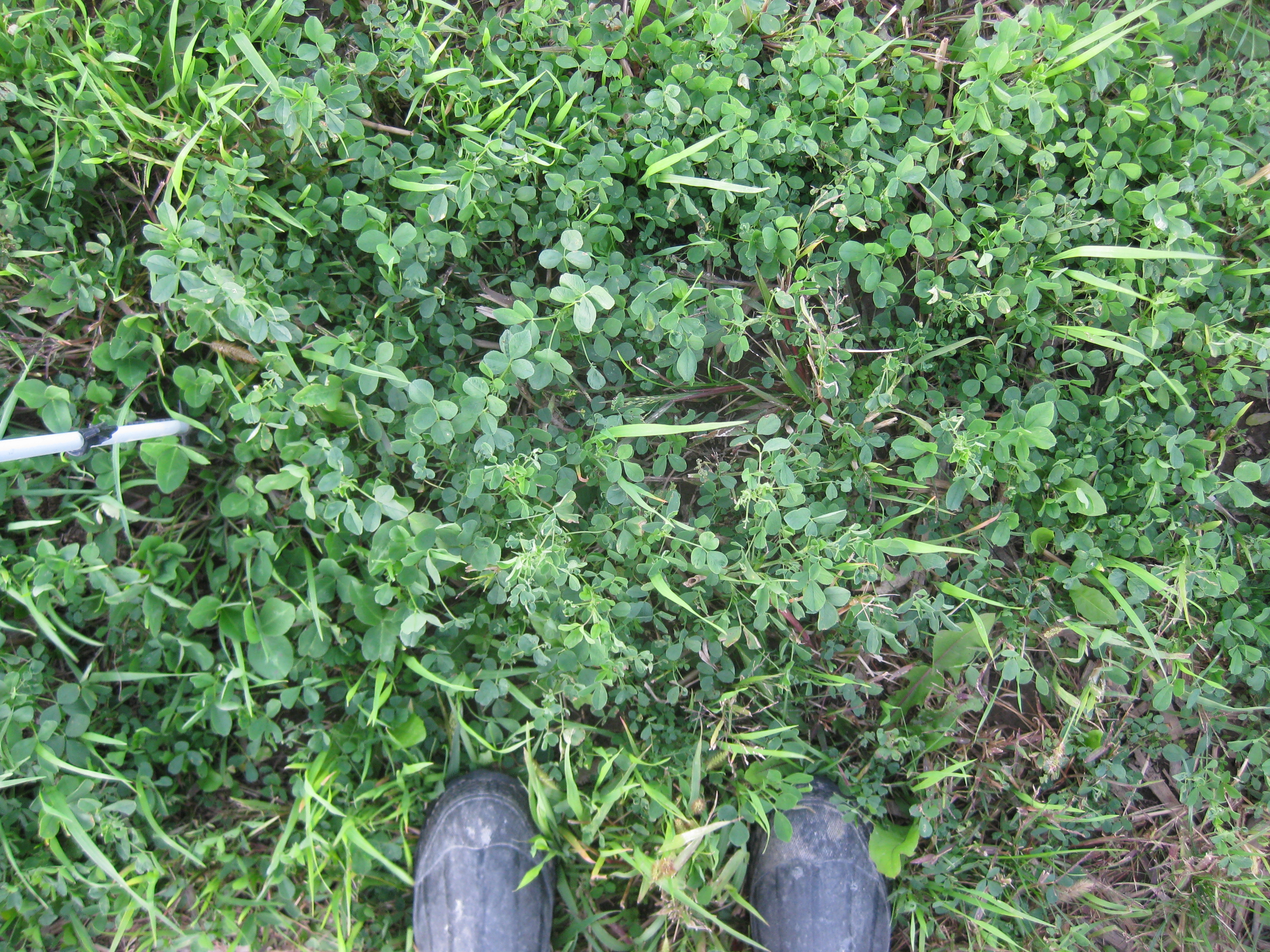
Still growing.

2 Comments | Curious Square-foot | Permalink
Posted by Curiousfarmer

I cut the spring garden peas. They regrew and flowered. I don’t recall the flowers being this pretty in the spring.
—-
“Do you ever see piles of junk around a winery?” Jude Becker asked.
“No.”
“And why not? Because the wine people decided that a visit to their farm would be a wonderful part of the wine experience. That’s what I want to do here.”
We stood in the loft of his remodeled barn, surrounded by his Dad’s beautiful wood projects, including a depiction of the twelve apostles, commissioned by a church but never paid for. We leaned against the bar.
“Why can’t pork be the same as wine? This is where I want to have tastings.”
I thought about what Jude said, and I realize he’s right. Pork should have more prestige than wine. Somehow we’ve commoditized this animal, and took away anything special, anything which could enrich our life rather than just sustain it. And in so doing, we’ve commoditized the farmer.
Jude strives to differentiate his pork from commodity pork. Why shouldn’t his pork be different from mine also? We could celebrate the terroir of pork. We could celebrate the seasons. We could celebrate the in-season feeds.
Citygirlfriend grew celery this year. It was dense, dark-green, and full of flavor. I raved, “This is nutrient-dense celery. I never want to eat store-bought celery again.”
I know all of this sounds artisanal, and it is. I’m going further down the artisanal road, and probably won’t be able to ever return to commodity food production. So be it, I’m not a commodity, why should my food be?
10 Comments | Curious farmer, Curious garden | Permalink
Posted by Curiousfarmer
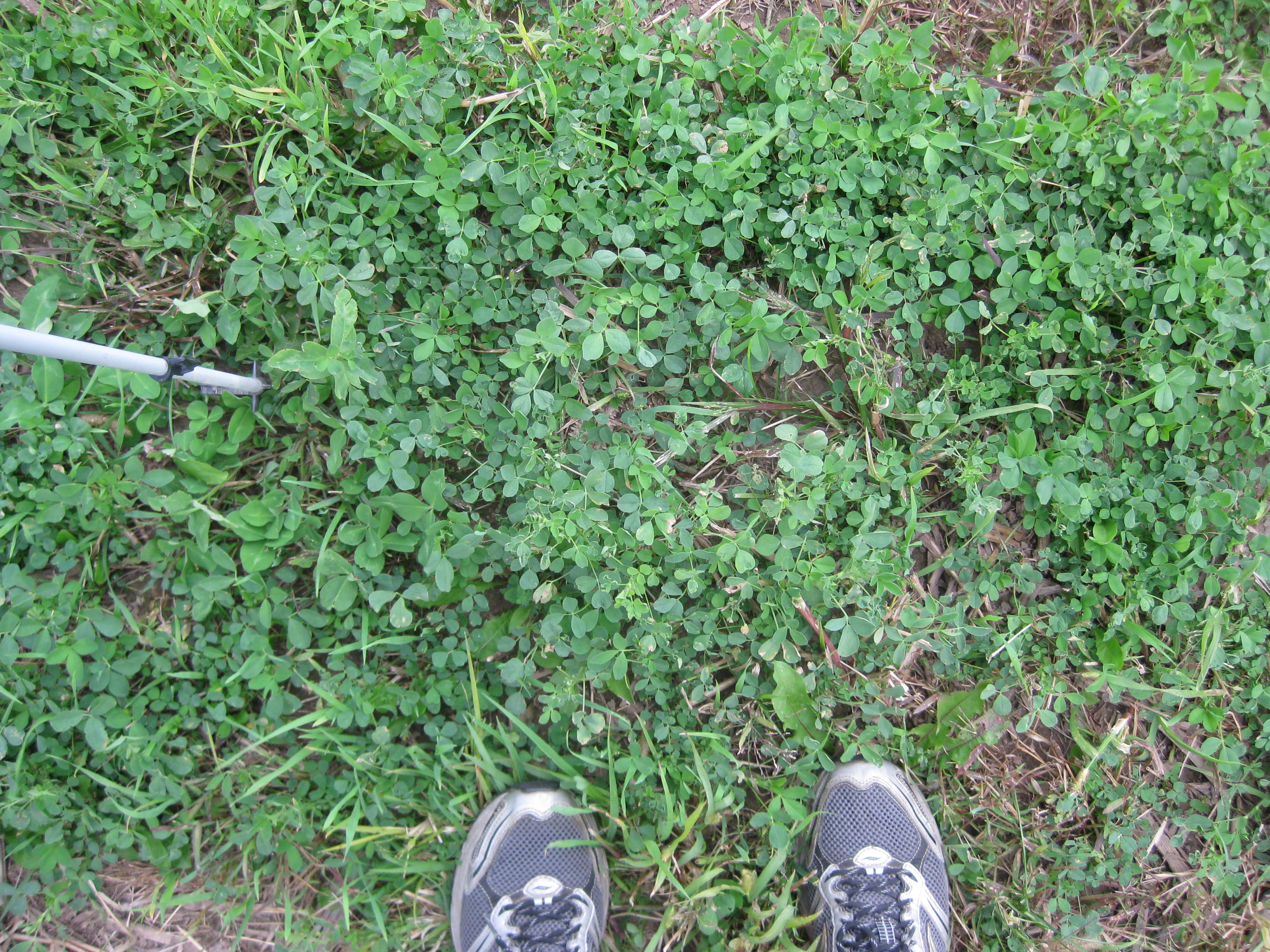
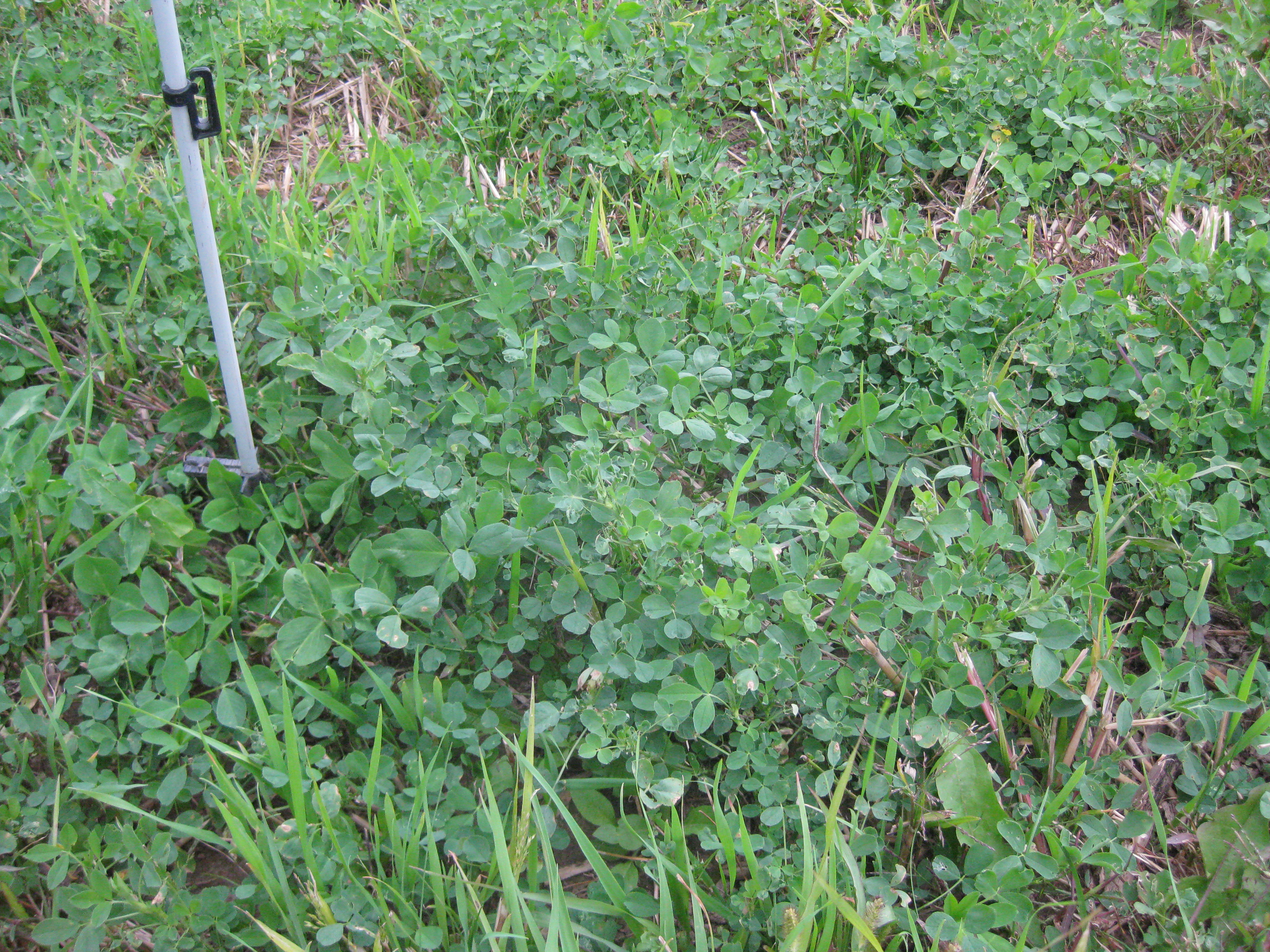
Growth is slowing considerably.
Leave a Comment » | Curious Square-foot | Permalink
Posted by Curiousfarmer

Jude Becker, of Becker Lane Organic Farm. Jude is an Iowa State graduate, and probably the largest outdoor pig producer in the US. He supplies fresh, organic pork, year- around, to many discerning customers, including Whole Foods. Jude even has a quote from Michael Pollan, raving about his pork.
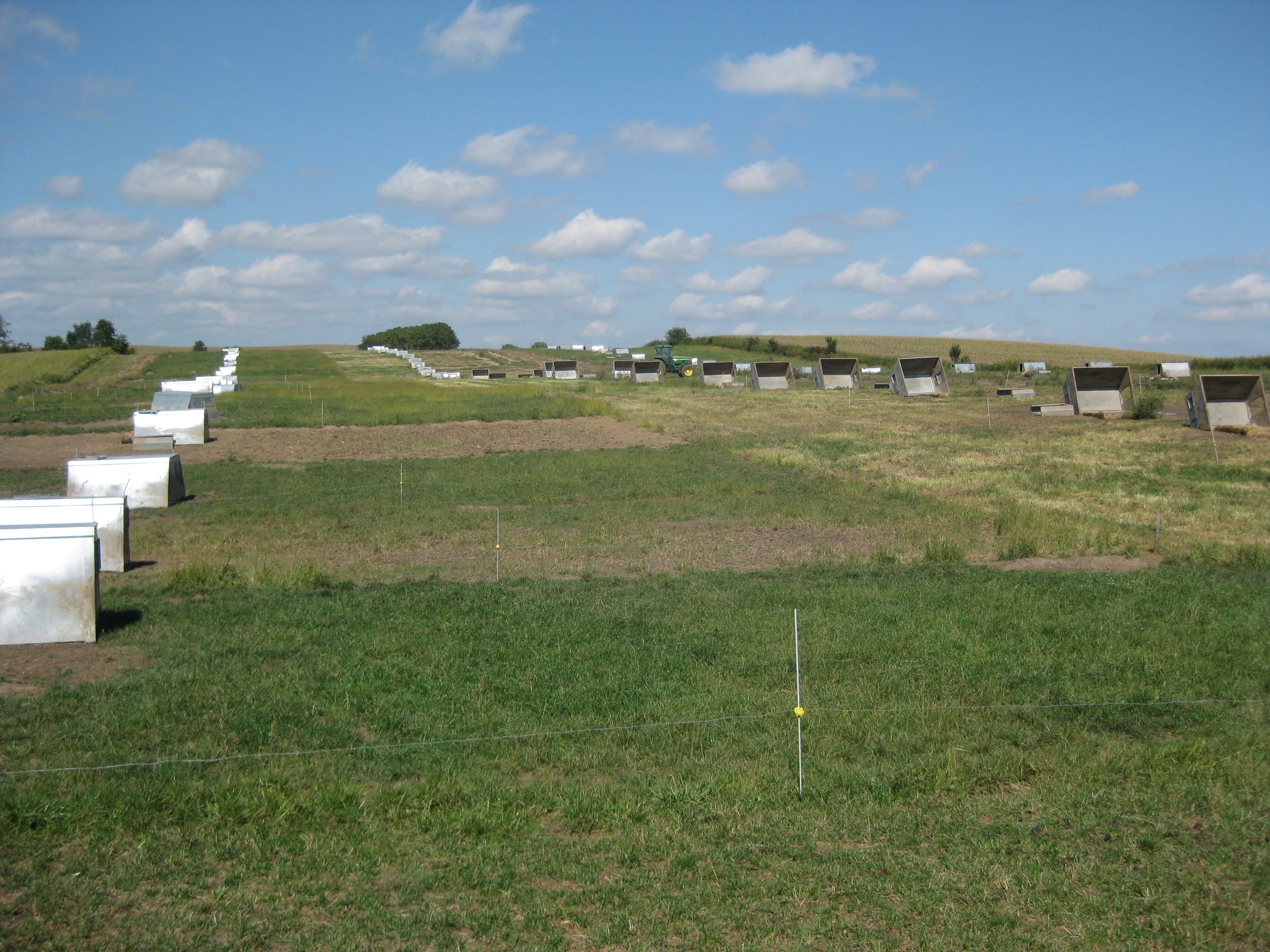
I knew I was close to the right farm when I saw farrowing huts stretching over the horizon. Jude has three full-time employees. Production is intensive and extensive. Each of these huts is individually fenced, with one sow and litter in each pen. Two sows share a water, and each is fed individually, once a day. The shelters in the right of the photo are turned on their side, and being disinfected before being used for another litter.
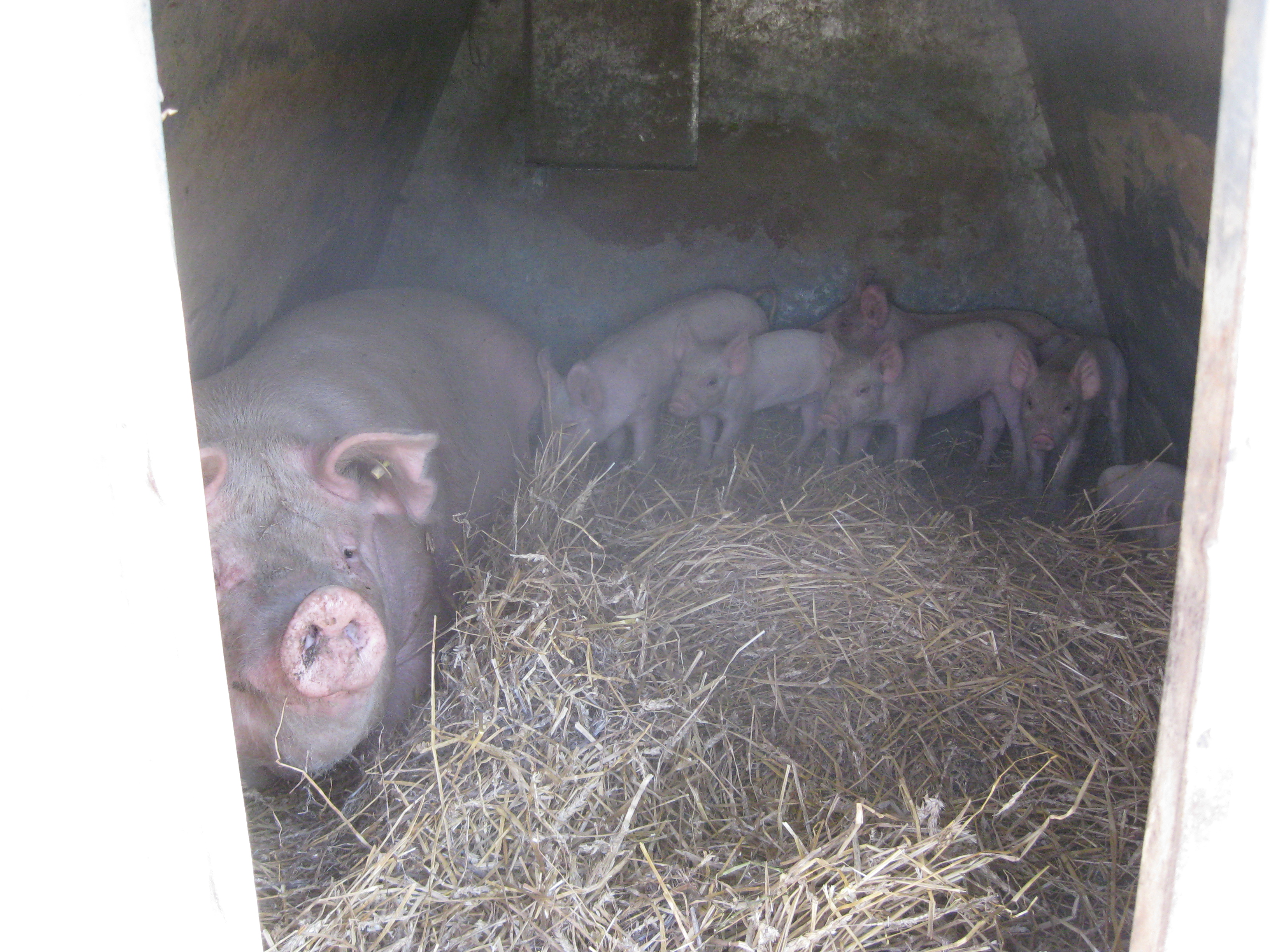
Sow with litter, in farrowing hut. Jude has tried cheaper huts, but finally settled on the cadillac of farrowing huts, John Booth, imported from the UK. Huts are insulated, so Jude is able to farrow in the heat of summer, and the cold of winter.
Piglet crushing is still a problem. Jude is still searching for the best genetics for outdoor pig production. His current philosophy is to have a super-maternal sow, bred to an excellent meat-quality boar. Jude uses artificial insemination to breed his sows.
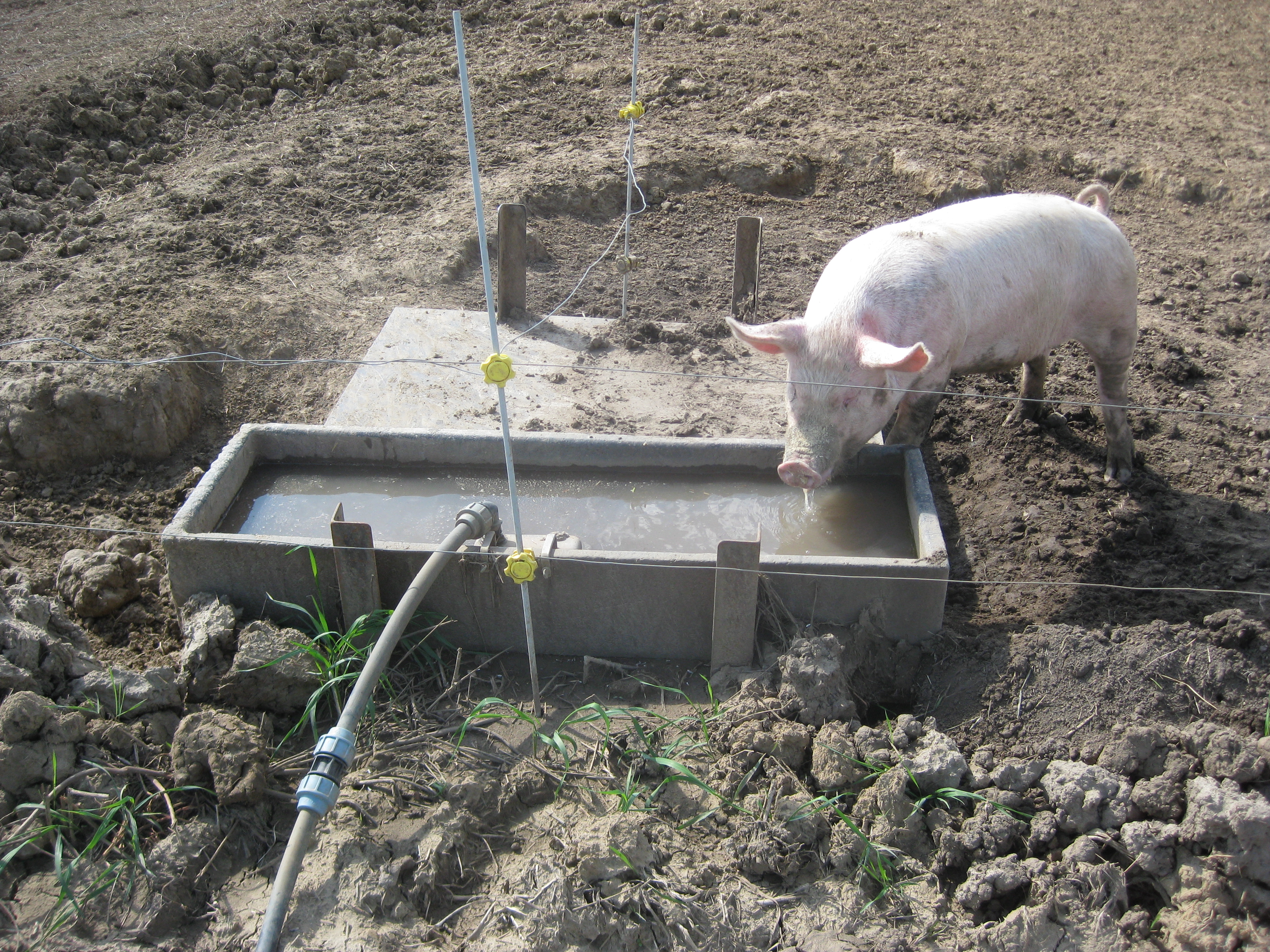
Pig drinking. One well supplies water to all his pigs. Most of his equipment has been imported from Europe, as they are years ahead of the US with outdoor pig production.

Good news, bad news. I’m heartened to see pigs consistently kept in with a two-strand electric fence. I’m disheartened to see the destruction of Jude’s pastures from the pigs’ incessant rooting. Jude admits this is a major hurdle for outdoor pig production.
Going to Jude’s farm, I hoped to find a protocol which I could copy. But, like most things in life, I realize I’m still going to have to find my own way.
Thank you Jude, for being a gracious host, giving me many ideas, and hopefully saving me some troubles.
4 Comments | Curious farmer, Curious hogs | Permalink
Posted by Curiousfarmer
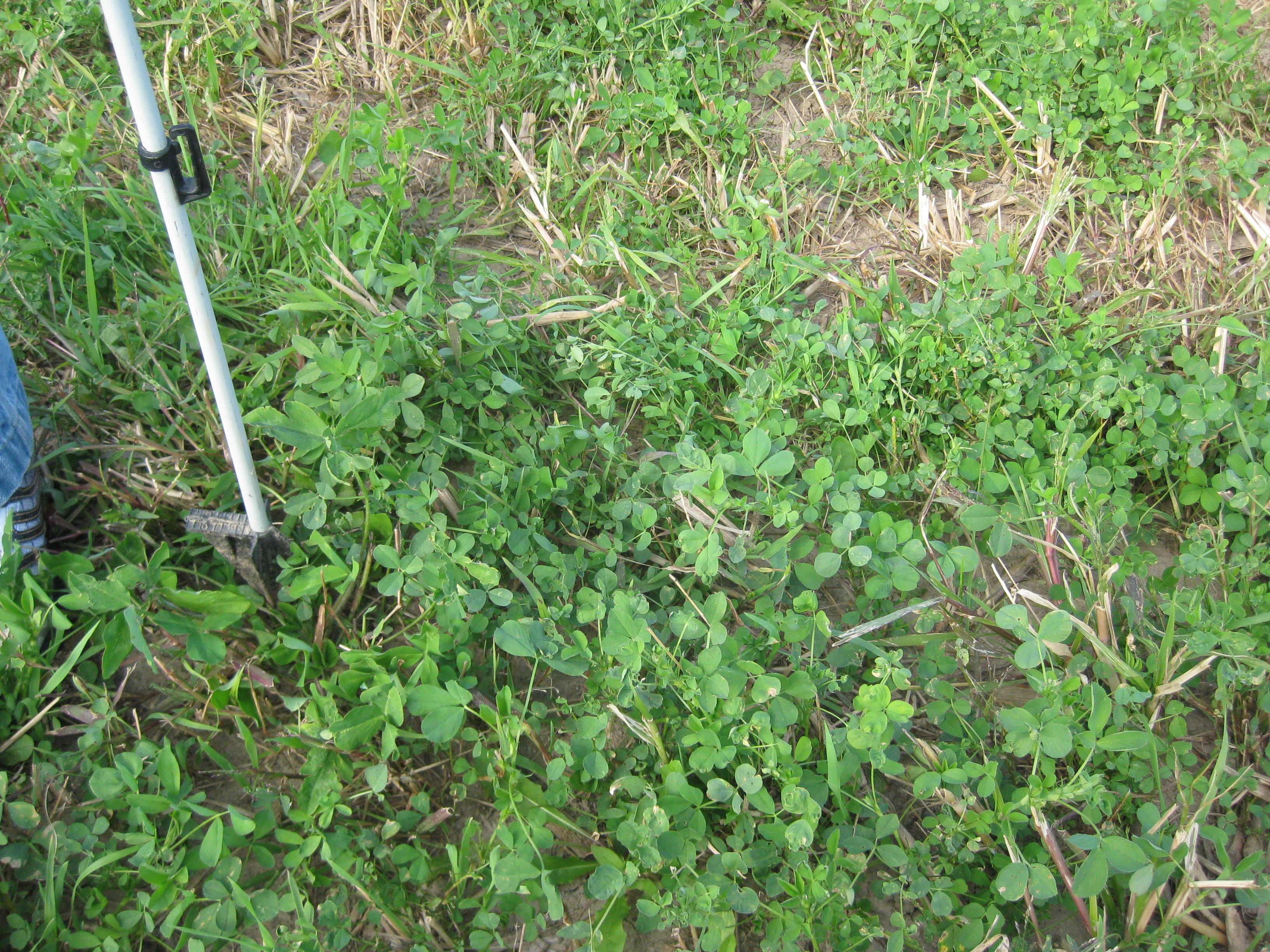
A cold week, we started the outdoor wood burner today.
Leave a Comment » | Curious Square-foot | Permalink
Posted by Curiousfarmer

I got about three round-bales per acre. Now we’ll see how much growth before frost, and grazing with cattle.

Leave a Comment » | Curious Square-foot | Permalink
Posted by Curiousfarmer
 Curiousfarmer