New Splitting Maul

August 1, 2012

I started cutting wood in July.  I woke up one cool morning after the heat broke, and went out in the woods and started cutting.  This might be the year I have all my wood cut before the snow flies.

I only cut dead trees which are down.  If you don’t cut and split the wood, it will start to rot.  Rotting isn’t terrible, as many critters make a living out of decaying trees, but I figure it’s also a good way to heat my house.  If I cut into a tree and its started to rot, I leave it for the critters.

I bought a new splitting maul, pictured.  I don’t know why I scrimped with my old one for so long.  This one works like a dream.  It’s an eight pound maul made by Task.


Black and Yellow Garden Spider

September 6, 2011

The Black and Yellow Garden Spider, Argiope aurantia.  This one is a female.  I don’t recall ever seeing a male, which, according to the link, is much smaller and duller.

The female mates only once, with a male who has been hanging around her web.  The male dies after mating, sometimes being eaten by the female.  I guess the male must actually lose something vital from sex, giving credence to the fear of old-time coaches, who advised their athletes to avoid sex before a contest.

The Garden Spider’s size, brilliant color, and huge, orderly web, help make it one of a child’s first insect memories, at least in the American countryside.  Below are a couple of egg sacs.  Spiders hatch from the egg sac the following spring.


Like Sharks Circling a Chum Ship

August 14, 2011

Herald of spring,

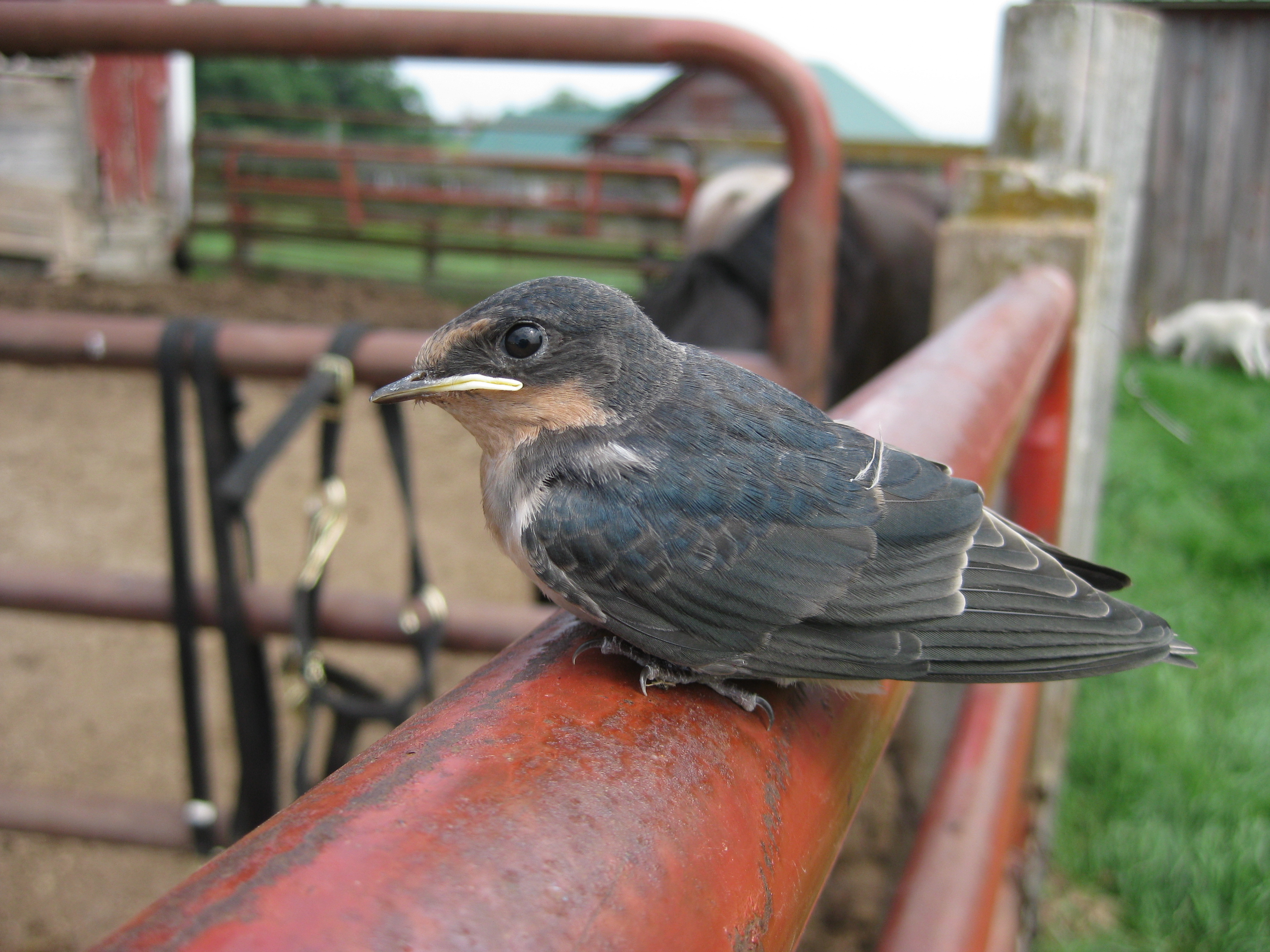
Barnswallows are back!

Tropical winters,

Wisconsin summers.

New mud nest,

Or top-mud the old one.

Two or three clutches,

Of insatiable young.

Dive-bombing children,

And curious cats.

Feeding their young,

Who wait on the line.

Finally feasting,

On Leafhoppers flying.

Circling tractor,

As I mow hay.


Seeing is a Muscle, Newly Moulted Dragonfly

July 10, 2011

Shepherd and I found this newly moulted Dragonfly while picking BlackCap Raspberries.

It was nearly invisible and we probably wouldn’t have seen it, if it wasn’t sitting on a ripe raspberry.

You never know what you’ll find if you go outside, but if you don’t go, you won’t find it.


Alternate Pollinators

July 5, 2011

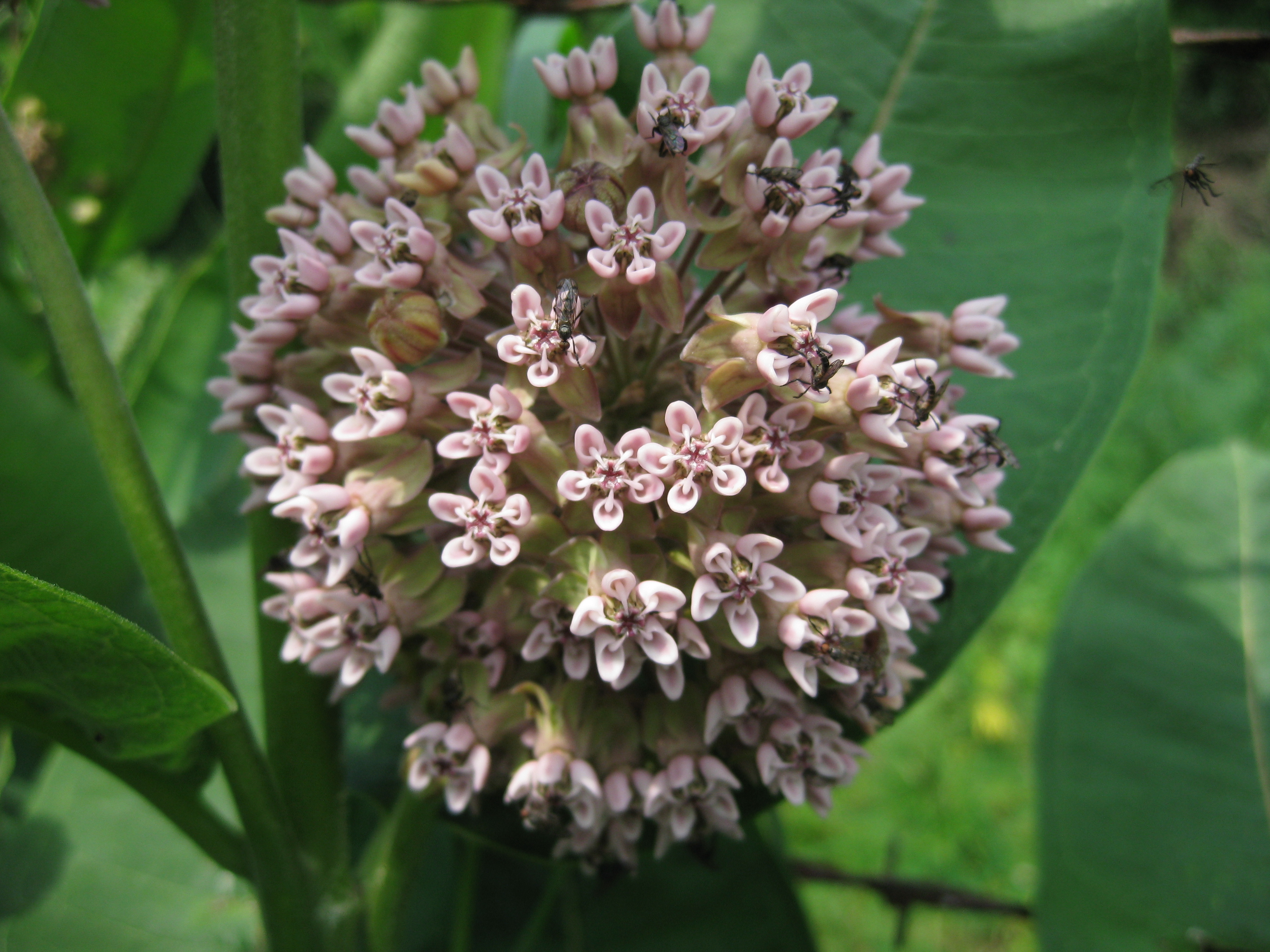
Common Milkweed (Asclepias syriaca)  flower.

If you click on the picture above, and blow it up, check out the winged pollinator flying in for a meal in the upper right corner.  The picture below shows a closeup of the flies.

This got me to thinking about alternate pollinators.  I shouldn’t even call them “alternate”, but that shows my thinking before I researched.  There are an estimated 200,000 wild pollinators, mostly insects, not one of them considers itself an alternate.

Everyone gives a lot of credit to honey bees, and the media was in an uproar over “Colony Collapse Disorder,” CCD, but I found out bees are not native to North America.  There are no native plants which require bees for pollination.

Bees are valuable for agriculture.  Some crops are highly dependent upon bees for pollination.  Some beekeepers are paid more to place their hives in Almond orchards than they receive for the honey produced.

A beekeeper friend of mine thought CCD was overblown.  He said, “Get the government to stop allowing the Chinese to import corn syrup mixed with honey, and the price of pure honey will go up, and beekeepers will find a way to combat CCD.  I for one don’t truck my hives all over the country chasing big dollars.  You know the bees mix with other hives and they come back home with every disease known to bees.”

The media turned a human economic problem into an environmental disaster.  The only real problem is to large-scale agriculture.  Plants will be pollinated, fruit will grow, some bees will survive.  To quote Jurassic Park, “Life will find a way.”


Swarm of Bees

October 1, 2010

Swarm of bees in a tree in the yard, earlier this summer.  This is only the third time I have seen a swarm.  I got close to snap this picture, because I have heard that swarming bees are not aggressive.  If they noticed me, I couldn’t tell.

I looked up swarming bees on Wikipedia.  When a hive becomes large enough to make new queens,  the old Queen leaves with about 60% of the worker bees.  They spend a few days scouting out new locations for their hive.

I thought about trying to capture the swarm in a box, and starting my own apiary.  By the time I  worked up my courage, they had flown away.


Milkweed and Monarch Caterpillar

August 1, 2010

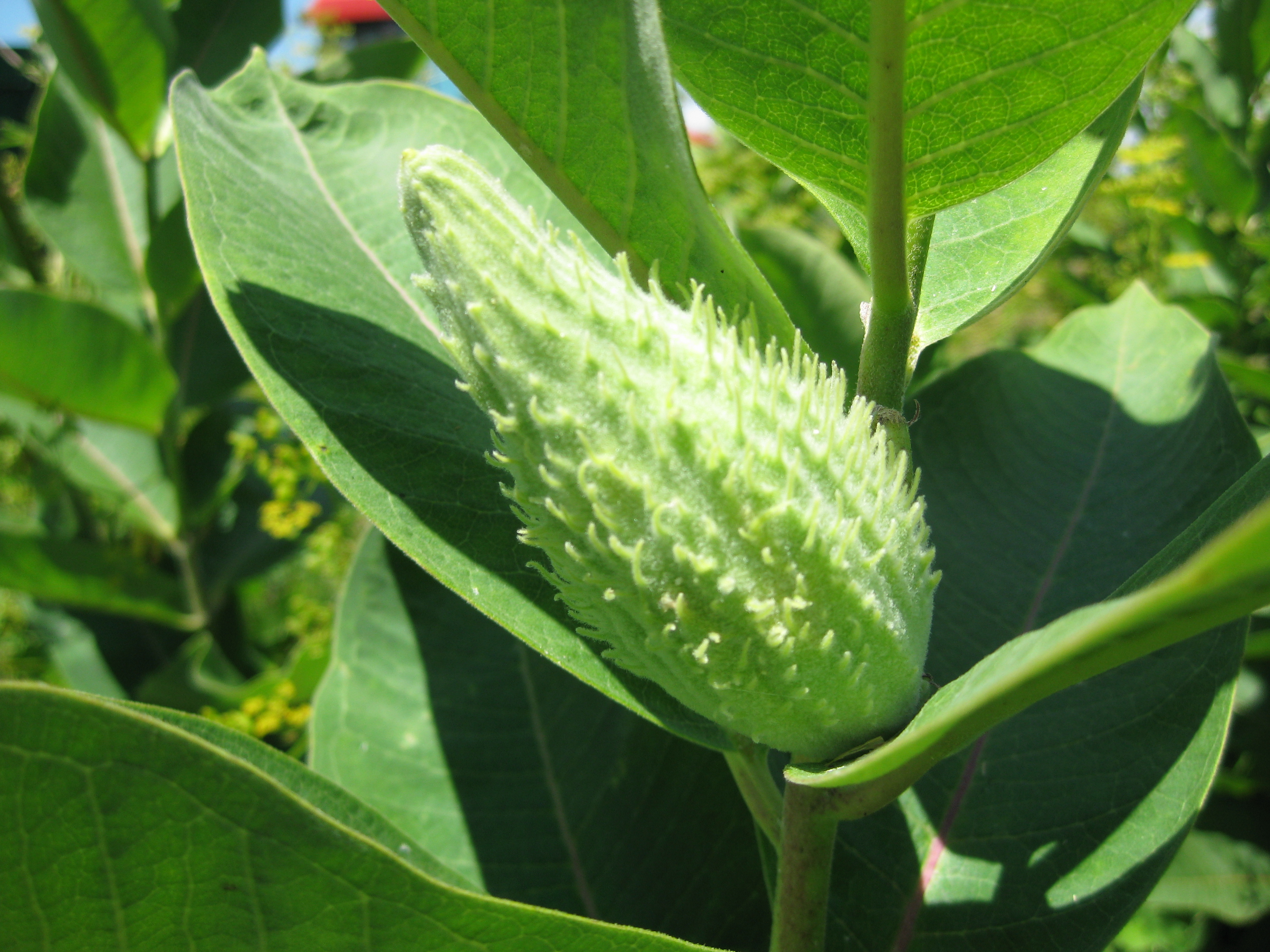
Common Milkweed (Asclepias syriaca) pod.

Milkweed is an incredible plant.  According to Sam Thayer, there are six vegetables available from Milkweed, (shoots, leafy tops, flower buds, flowers, immature pods, and white).  I’ve only eaten shoots, flower buds, flowers, and pods.  It’s fun to mark the summer season as one part of the plant goes out, and another comes in.

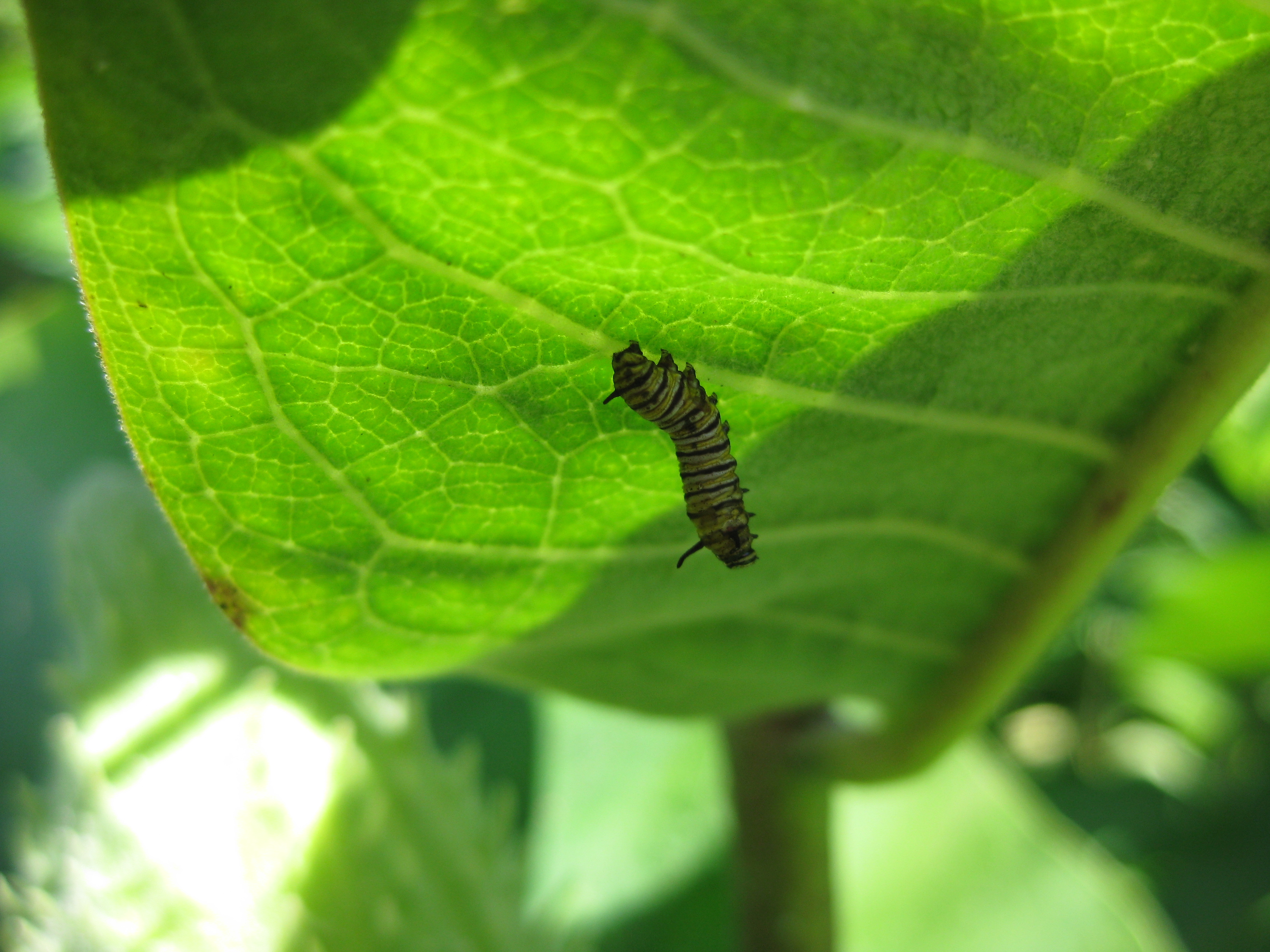
It’s also fun to look for monarch caterpillars (Danaus plexippus).  Look at the little guy in the picture below.

What an amazing life he is going to have.  All he does now is eat and poop.  Pretty soon he’ll form a chrysalis and take a nap for a fortnight.  Then he’ll crawl out and wait for the new things on his back to dry.  Then… fly!


Brown Thrasher Eggs

June 14, 2010

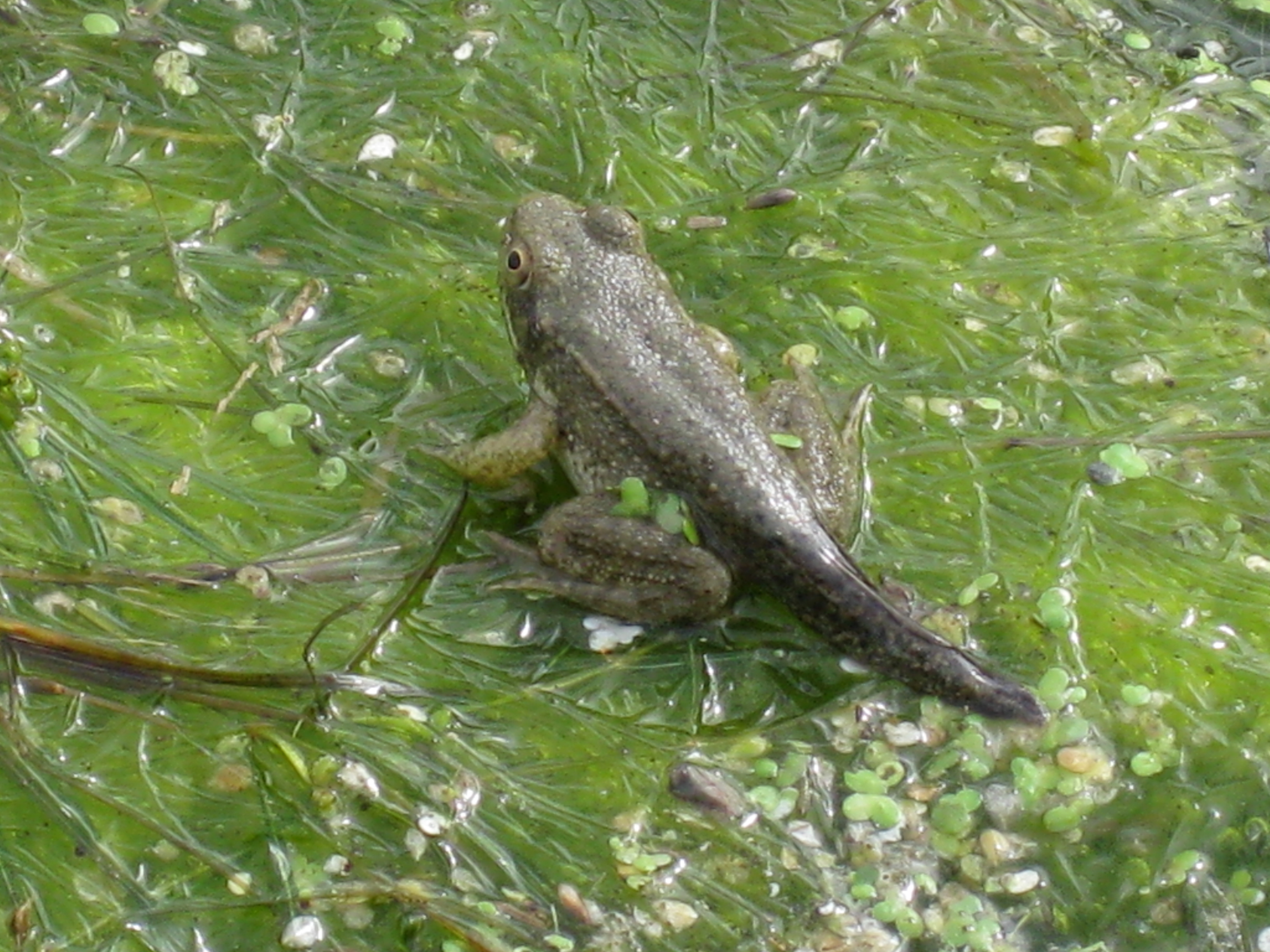
Bullfrog tadpole checking out the scenery above the water.  Look at how fast it has developed legs compared with the picture in the May 6th post, “Toads and Frogs, Living and Loving.”

Curiousfarmer started with an emphasis on Farmer, but over the first 100 posts, has evolved into an emphasis on Curious.  That’s good.  I can always be curious.

I started this blog to share what I know about farming.  I quickly realized how little I know, and how boring it is to only write what I know.  It’s way more fun and interesting to write what I am learning.

I made a mistake on the post, “Fragile Beginnings.” The eggs pictured were not from a Brown Thrasher.  The eggs pictured below are from a Brown Thrasher.

Because I wanted to write about the eggs pictured in “Fragile Beginnings,” I had to organize my thoughts.  I found out how little I knew, and what I did know was wrong.

I saw a Thrush fly out of the tall grass by the pond.  Then I saw the nest and assumed it belonged to the Thrush.  I snapped a picture and began to research Thrush on the internet.

Unfortunately, I couldn’t find any type of Thrush that resembled the bird I saw.  So I did some more research and came up with some suspects.  After a few more sightings, I knew the bird was a Brown Thrasher.  So I wrote the post.  There were no pictures I could find of Brown Thrasher eggs.

Today I was driving the ATV past a Gooseberry bush and a Brown Thrasher flew out of the middle of it.  I realized she may have a nest, so I checked it out.

“Crap!  This is what Brown Thrasher eggs look like.”

I returned and bothered the Brown Thrasher again and snapped a picture.  Now I know that there are Brown Thrasher eggs on the internet.


Placentophagy: Mammals Eating Their Own Placenta

June 10, 2010

Cow eating placenta, shortly after giving birth.  Why do they do this?  Many other mammals do as well.  It’s called placentophagy.

It’s becoming vogue for people to eat placenta.  There are purported health benefits.  Have you heard of this?

Here is a funny video of Joel Stein, my favorite writer for Time, watching his wife’s placenta being prepared for consumption.

“You’re not going to kiss me with that mouth, are you Mom?”


Found Frogs: Gray Tree Frog

May 8, 2010

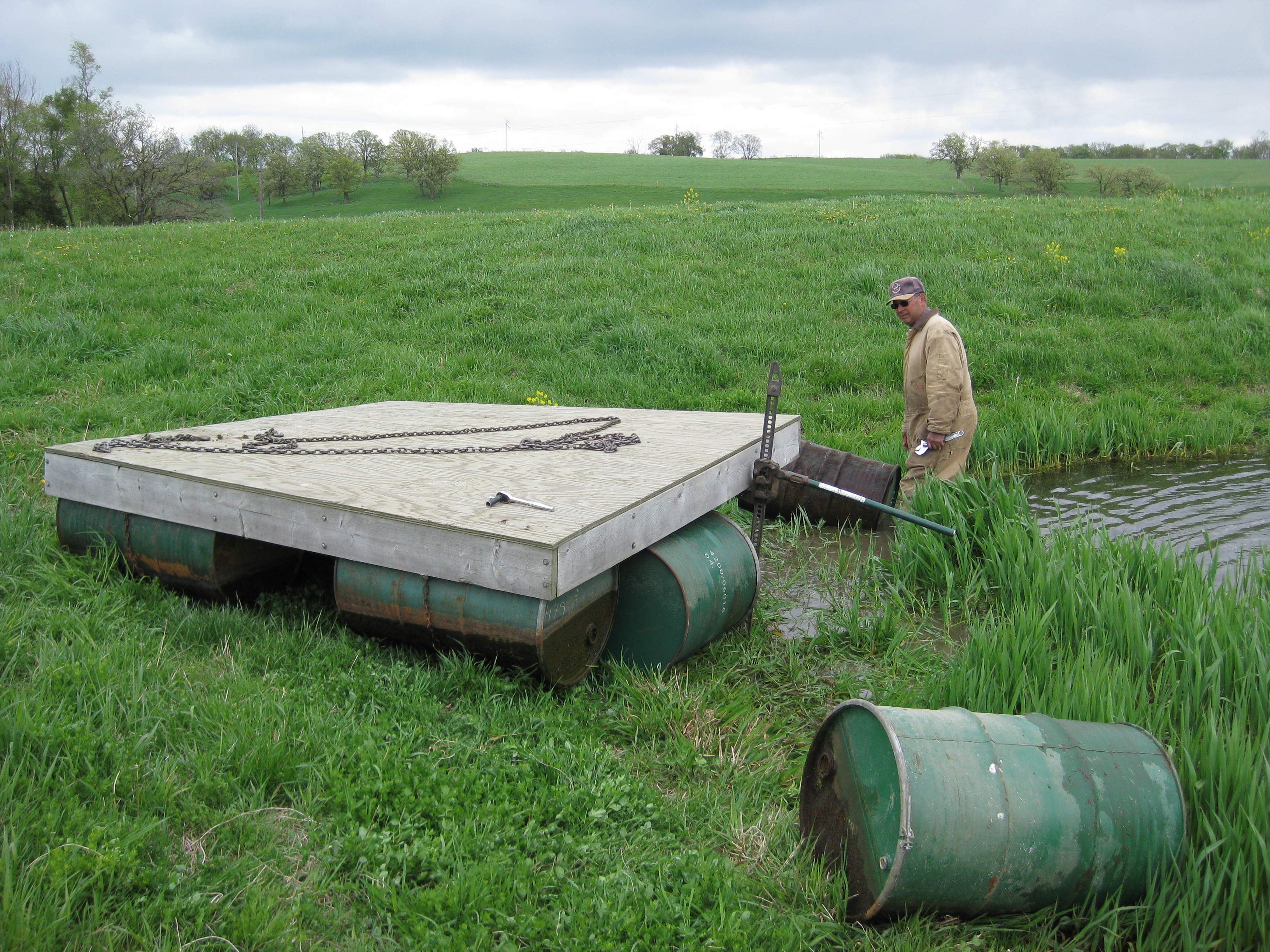
Two of the barrels under one corner of the raft were leaking.  We pulled it out of the pond with a tractor, jacked up the corner, unbolted the barrels, and paused, because we heard something.

“Wait a minute.  Do you hear that?  It sounds like frogs.”

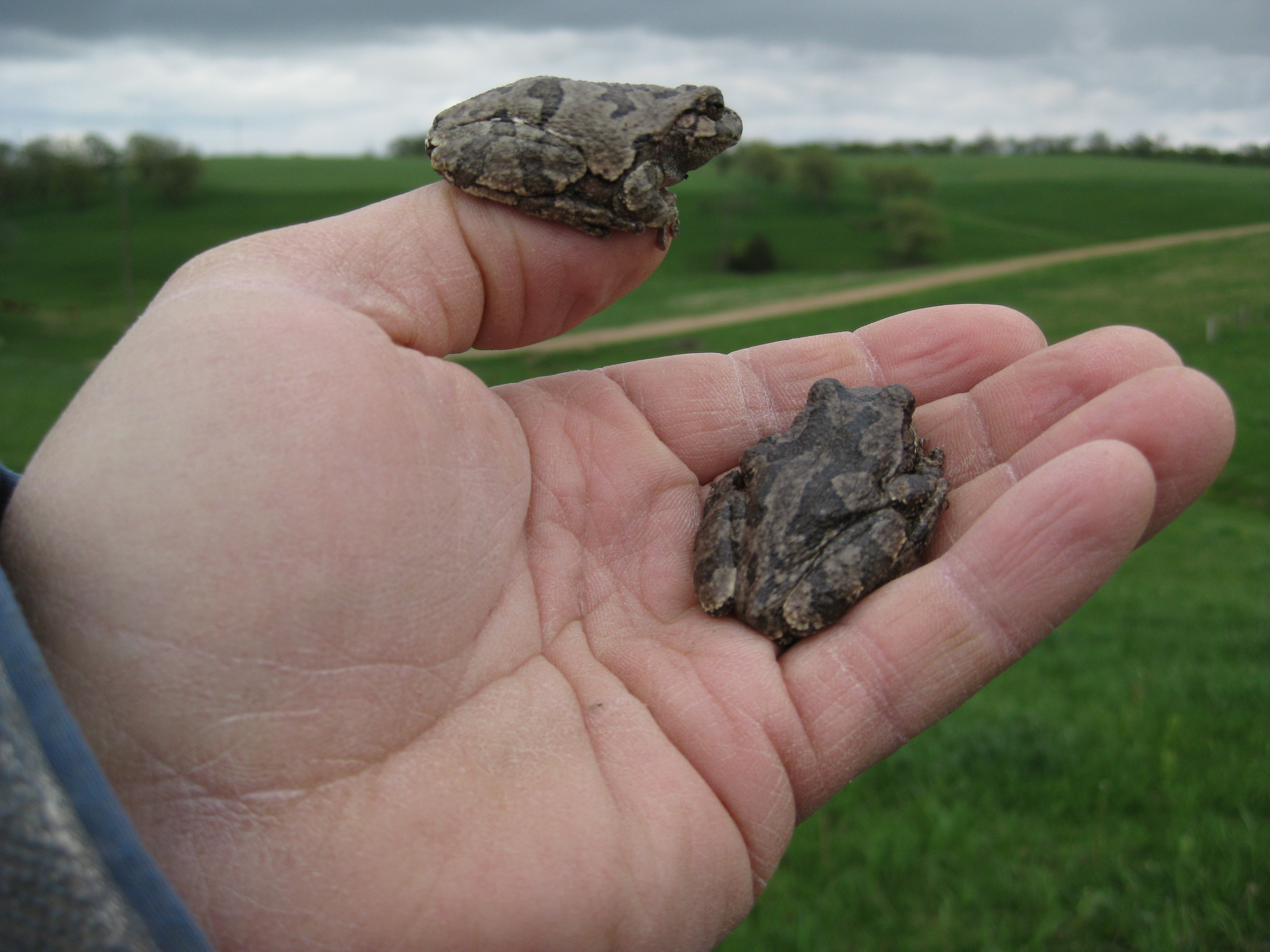
I kicked a barrel loose and two Gray Tree Frogs fell on the ground.  They must have climbed up onto the barrels underneath the raft. 

So now I’m thinking the frog eggs in the last post belong to the Gray Tree Frog.