
Welcome visitors. This post is a day late. Been laid up with lower back pain. Coming off the Percocet.

Welcome visitors. This post is a day late. Been laid up with lower back pain. Coming off the Percocet.
 4 Comments |
  Curious Square-foot |
  Permalink
 Posted by Curiousfarmer
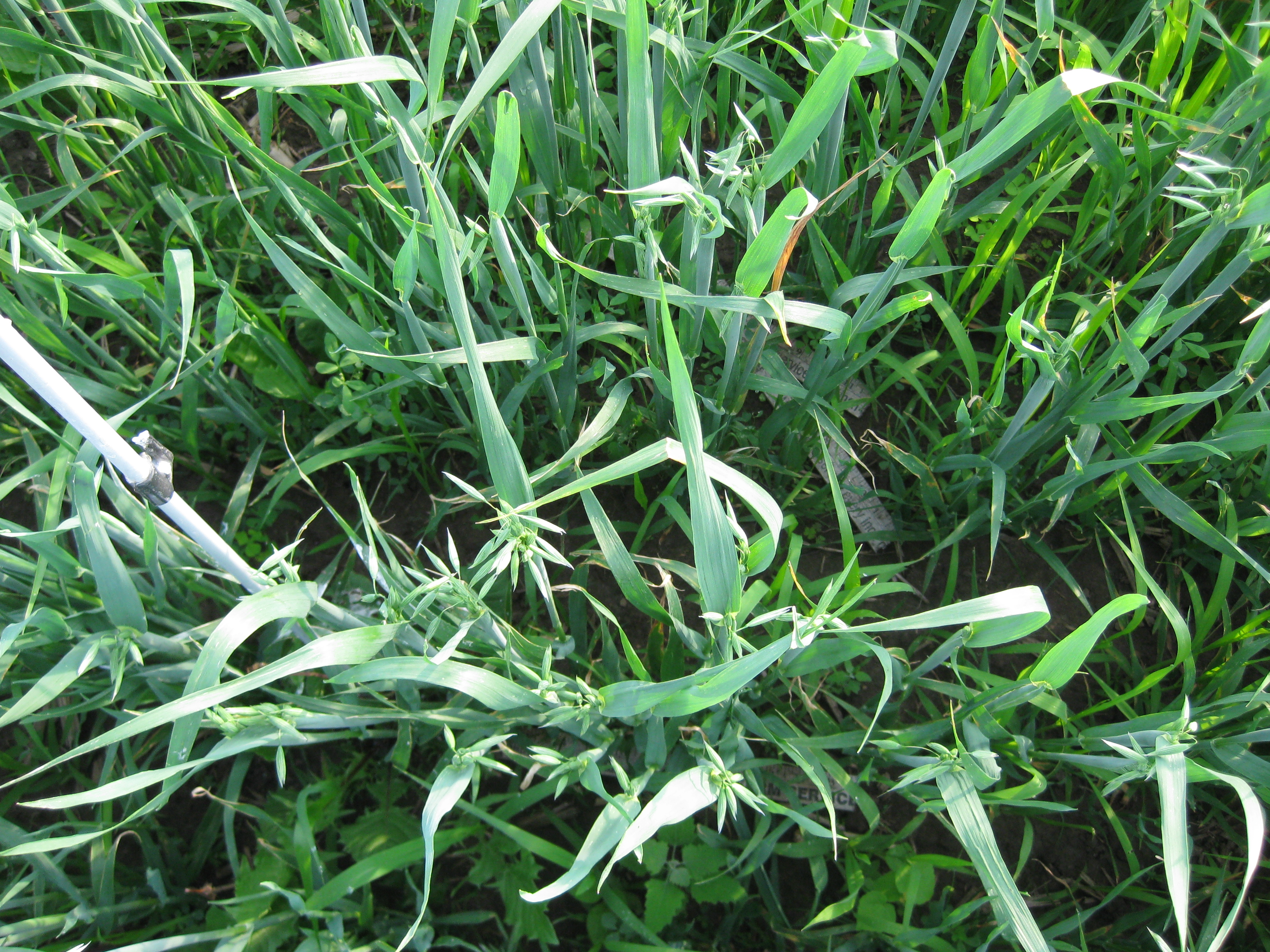
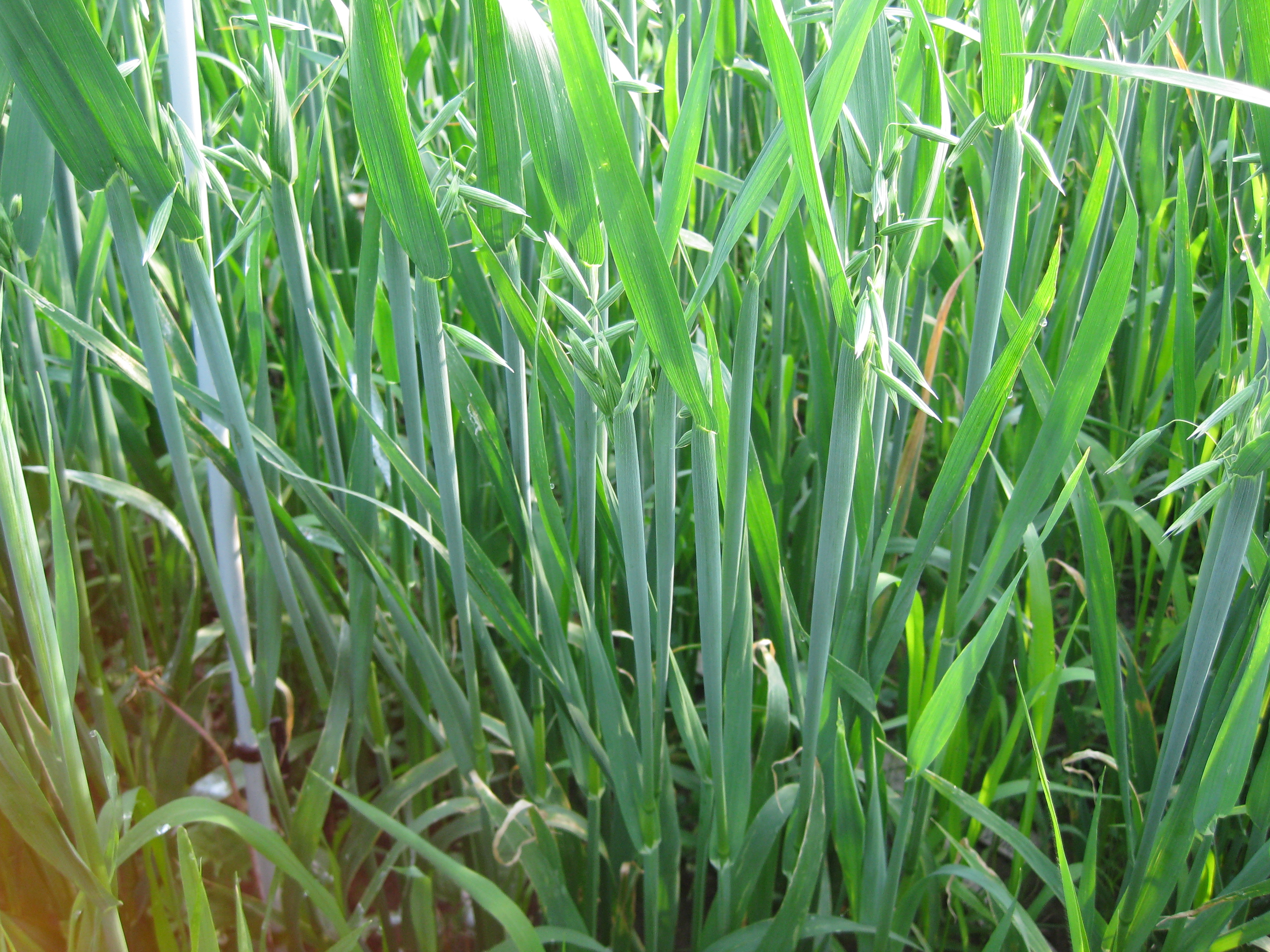
The oats are starting to head out. We always plant an early-maturing variety. “Badger” is the variety this year.
It’s interesting that even though we planted a month later than last year, it’s probably going to mature at about the same time.
Leave a Comment » | Curious Square-foot | Permalink
Posted by Curiousfarmer

We built a small corral at the intersection of four pastures. It’s way out back, and we never had a good way to catch a cow that needed help out there.
I checked the cows late one afternoon. A cow was trying to calve, and looked like she had been straining for awhile, but nothing was showing. We gave her an hour and checked her again. Sure enough, one foot was sticking out, but not the other one.
We decided to get her in. We were excited to use our new corral. Two ATVs, a jeep, low-stress stockmanship, and we had her in the corral, barely. She was starting to get hot. She circled the corral a few times, charged at the gate I was standing by, put her nose over the top board, and jumped and pushed. Once the board broke, her body weight broke down the wire panel, and she was over and out.
“Well, she’s on her own now. No sense getting killed over her.”
The next morning, Dad drove back from checking the cows.
“Is she dead?”
“No, and she’s got a live calf, runnin’ around healthy.”
“Do you think we were just too early?”
“No, I think the calf got straightened out when she jumped the fence.”
Dad smiled.
4 Comments | Curious cattle, Curious farmer, Curious livestock costs | Permalink
Posted by Curiousfarmer

A day late.

1 Comment | Curious Square-foot | Permalink
Posted by Curiousfarmer

We had over an inch of rain and cool weather until yesterday, which was in the high 80’s.

2 Comments | Curious Square-foot | Permalink
Posted by Curiousfarmer

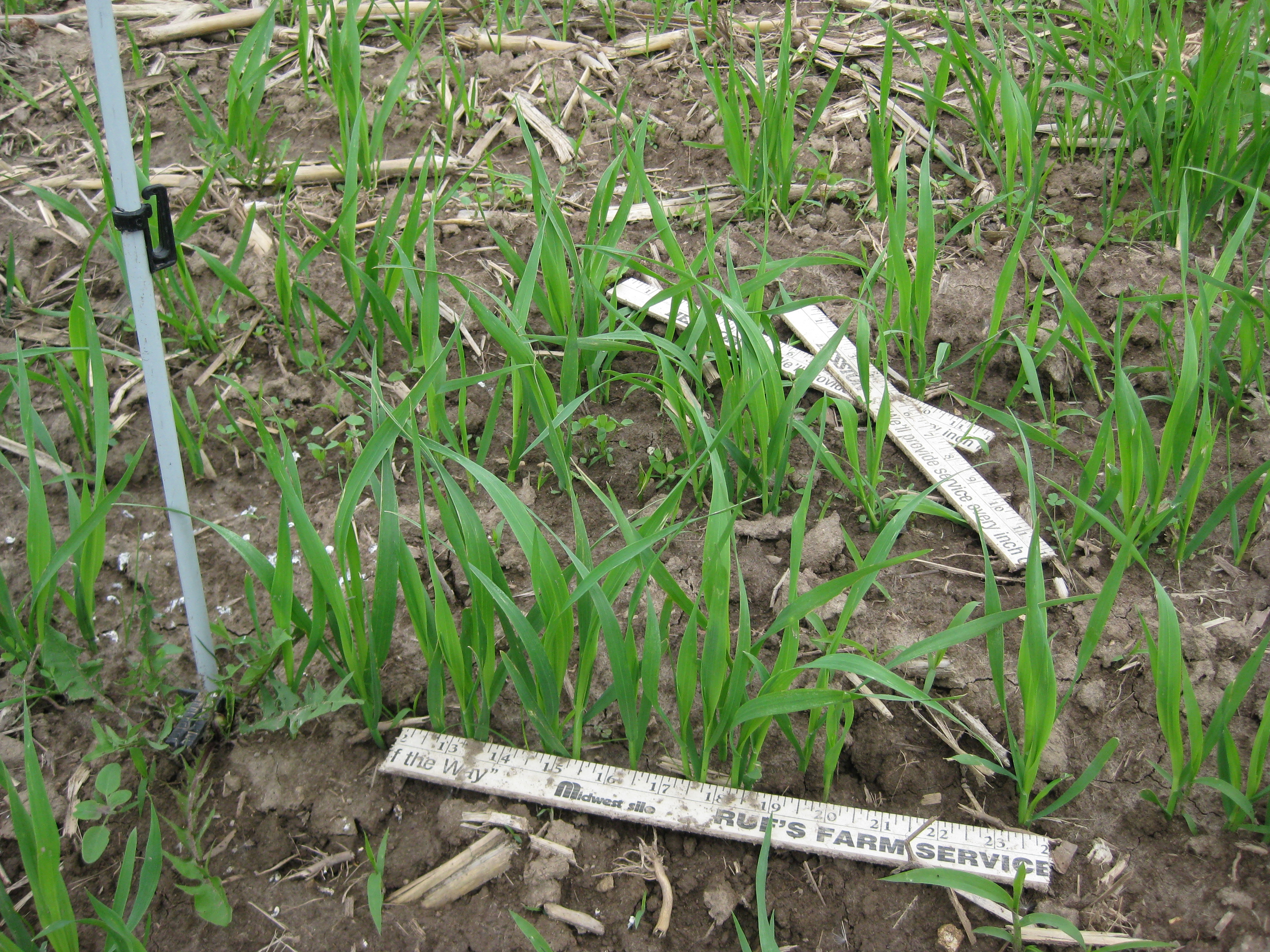
I don’t know if you’re getting anything out of this series, but I’m shocked at the change. Every week I take a picture I say to myself, “Well this is a waste of time, nothing changed.” And then I download the photos and compare them to the week before and…voila.
2 Comments | Curious Square-foot | Permalink
Posted by Curiousfarmer
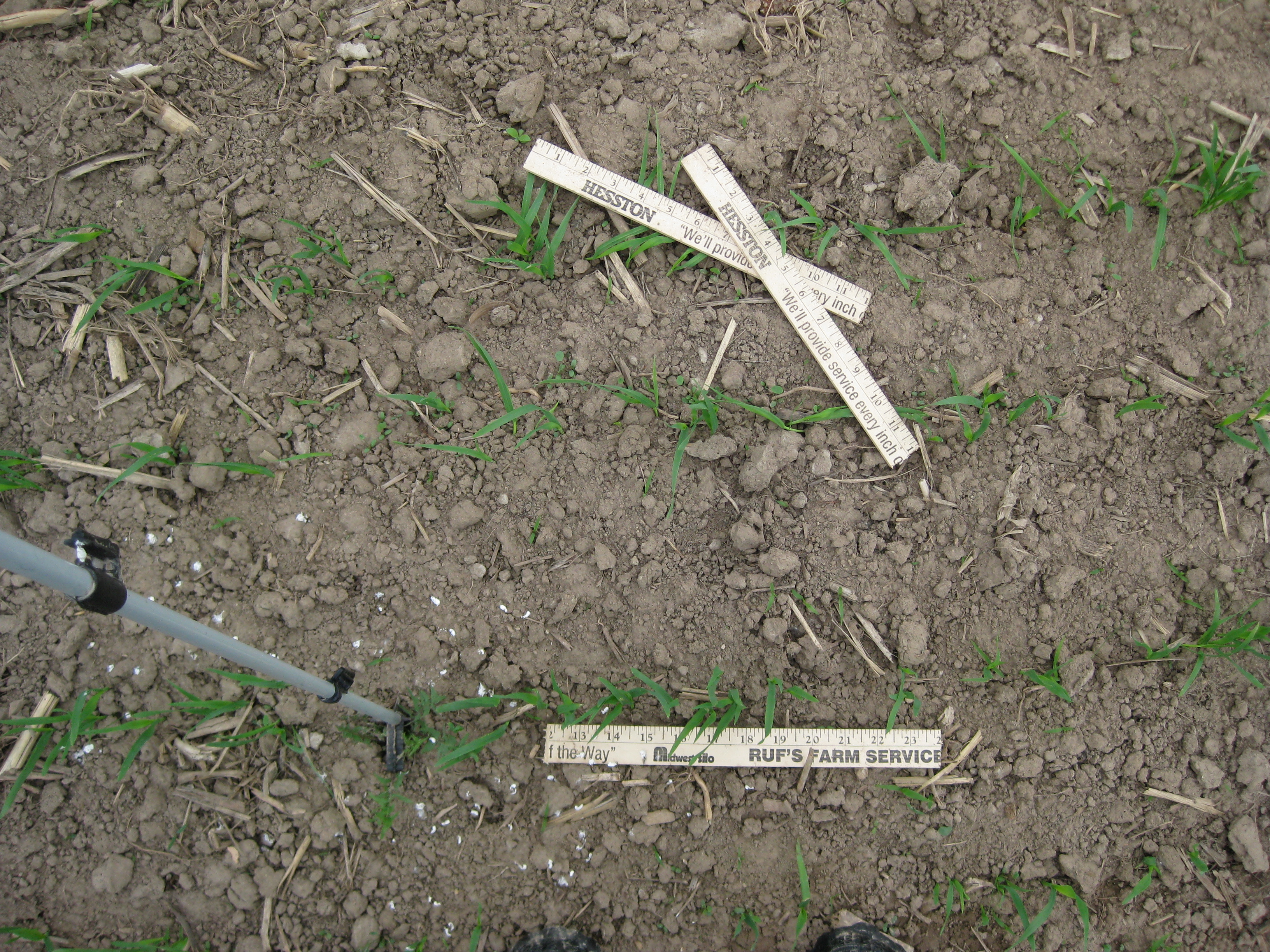
What’s the scientific concept regarding the changing of a subject because it’s being observed? Whatever it’s called, it’s happening here. Look at the bird poop all around the base of the electric fence post I’m using to mark the spot.

4 Comments | Curious Square-foot | Permalink
Posted by Curiousfarmer

This is the third picture of M6, a field planted to oats, alfalfa, and grasses. It was planted on May 3rd. I plan to update every weekend throughout the growing season.
I’m using an electric fence post to mark the spot. And I cut a yard stick into three pieces to frame the square-foot. My boots are also shown.
The top picture is taken looking straight down from a height of about four feet. The bottom picture is taken looking forward from a kneeling position. You can see oats poking out of the ground, and what looks to be alfalfa seedlings.
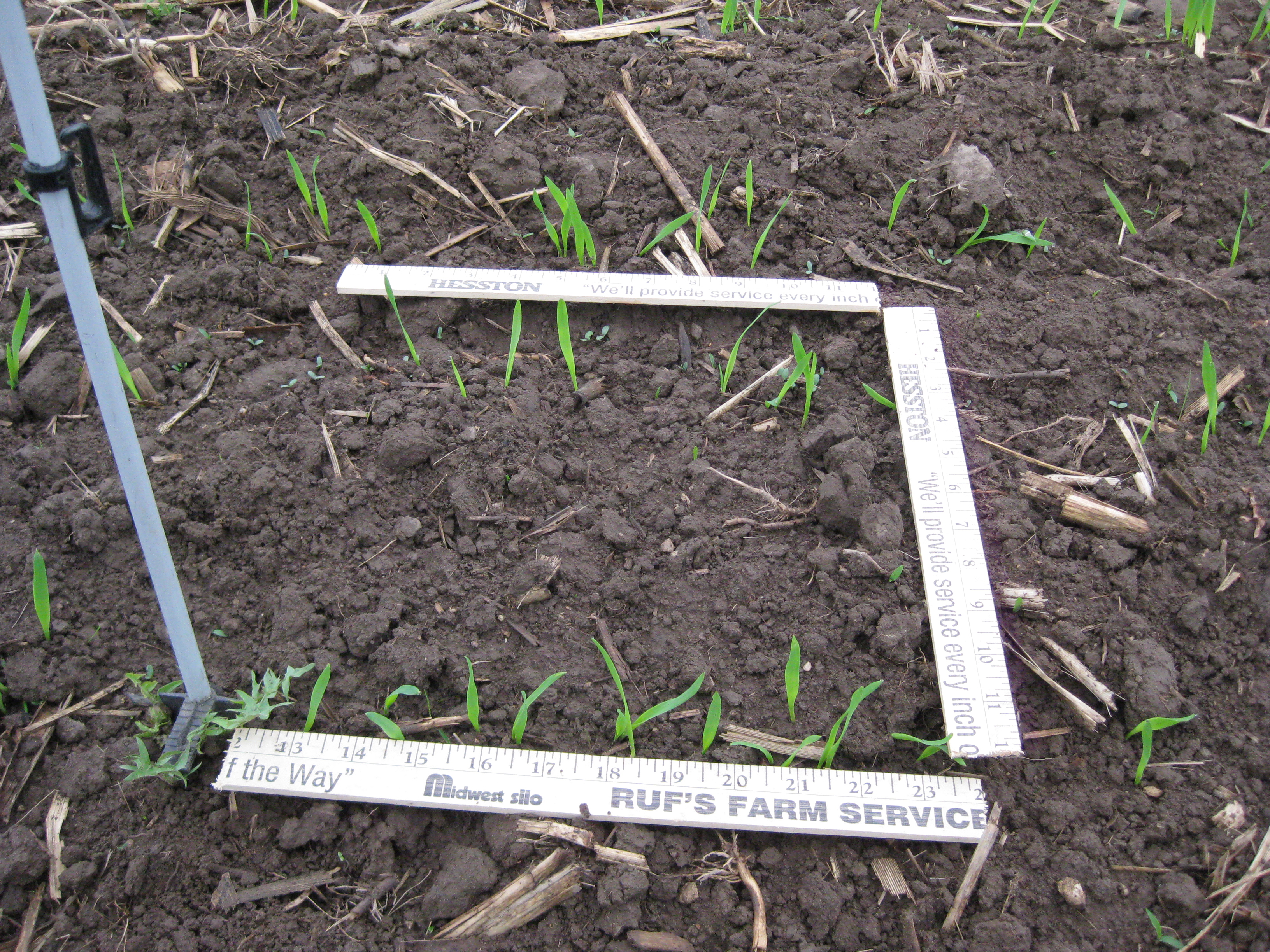
Leave a Comment » | Curious Square-foot | Permalink
Posted by Curiousfarmer
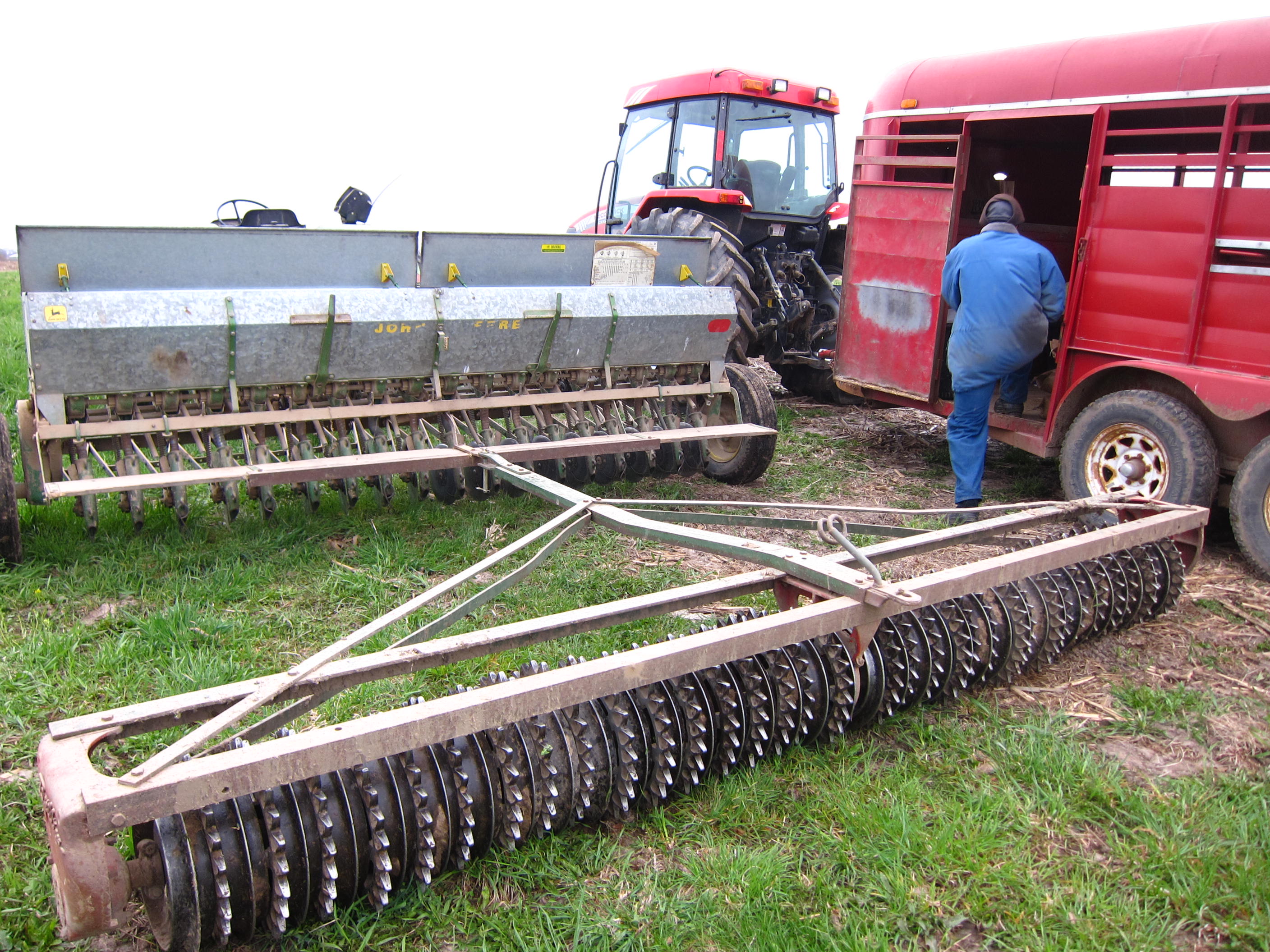
This is our oat drill with roller behind. It has two compartments for seeds, shown below. The smaller one holds alfalfa and timothy. The larger one holds oats and perennial ryegrass.
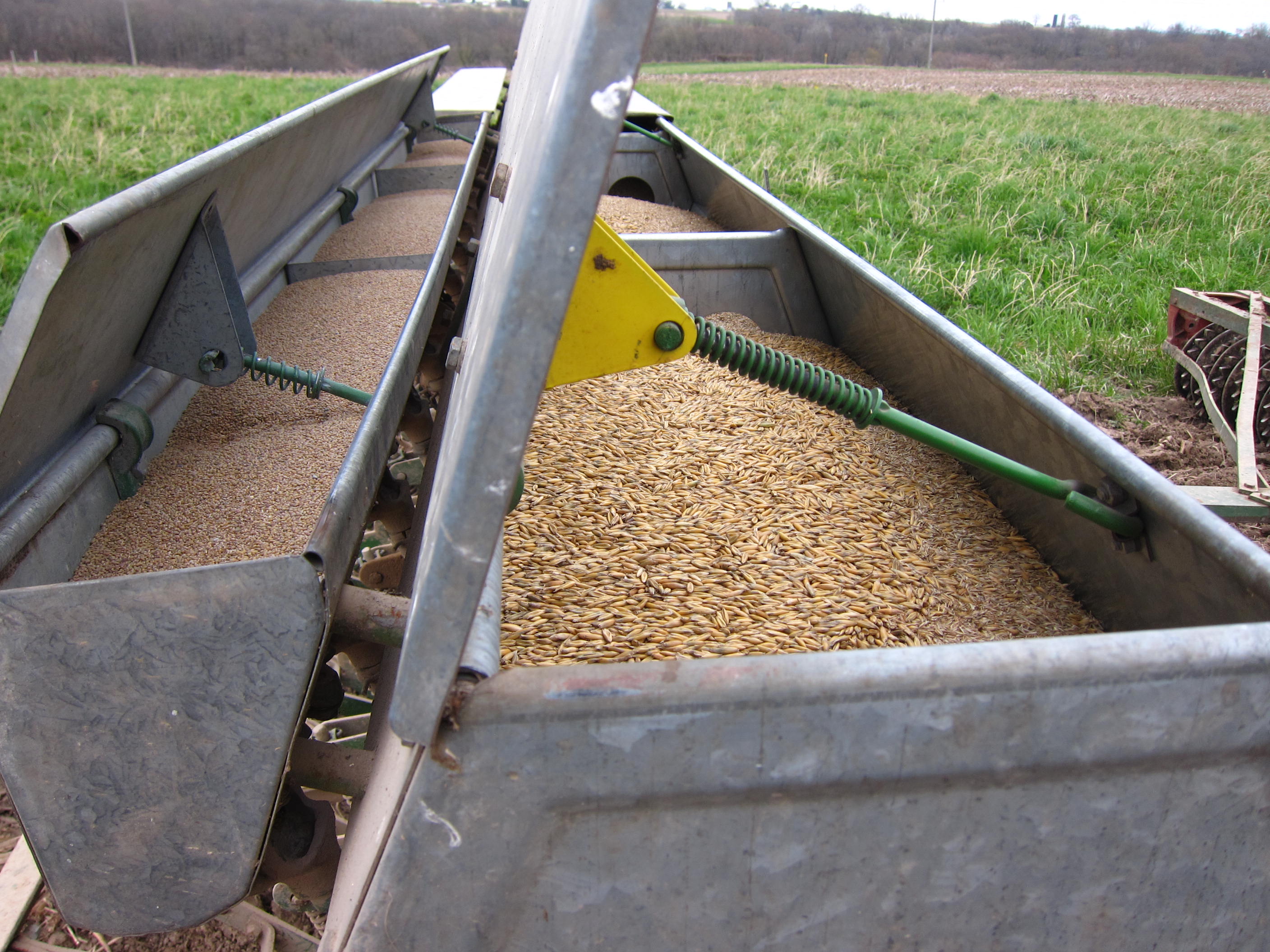
The oats and perennial ryegrass is dropped into the small furrow made by the disc blade. The alfalfa and timothy is dribbled onto the ground behind the planter via tubes, not shown.

The roller breaks up more soil clods, and ensures a firm seed bed and good soil to seed contact.
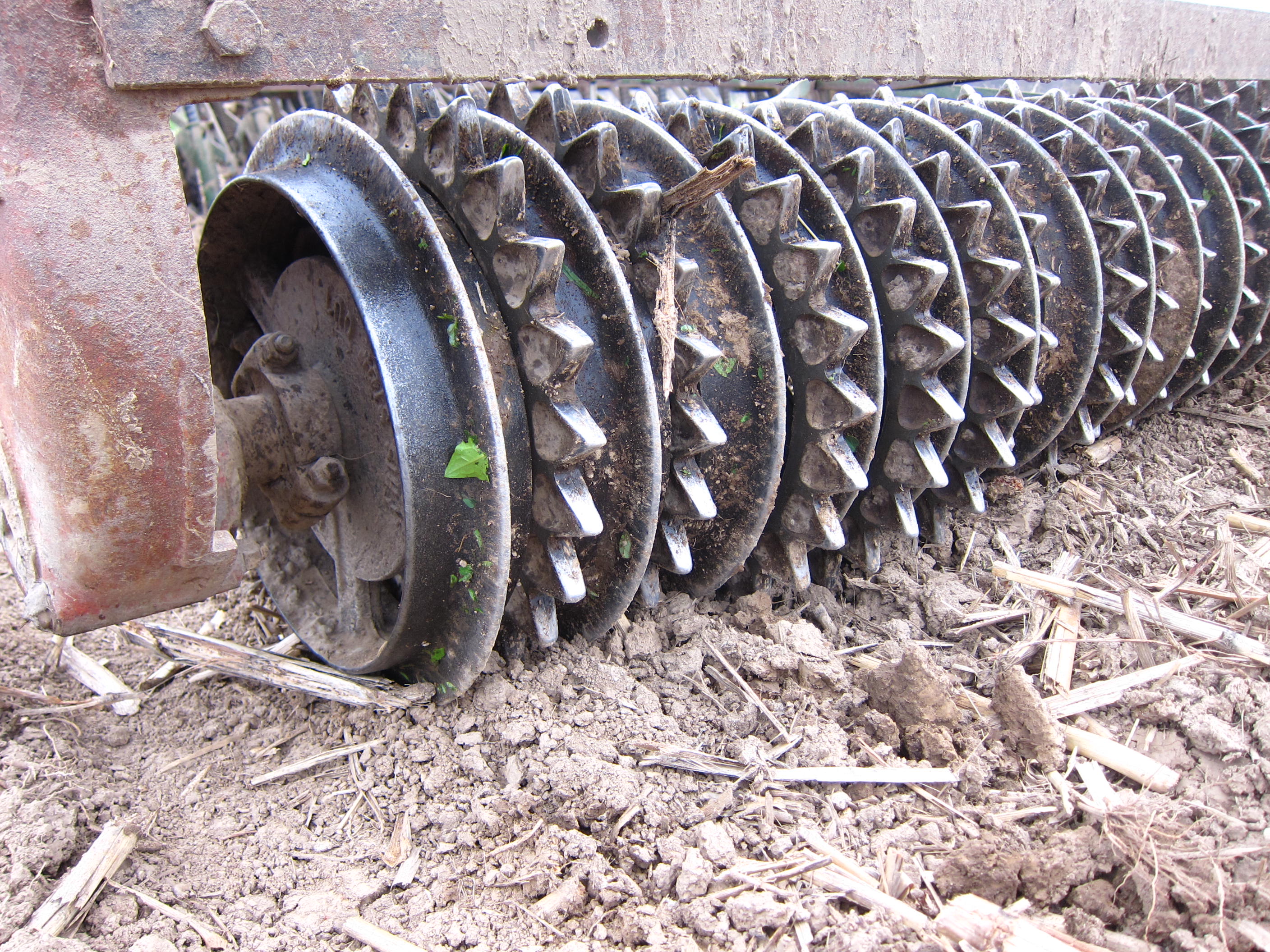
Below is the planted seedbed. This is also the picture I’m using for the May 7th square-foot saturday.
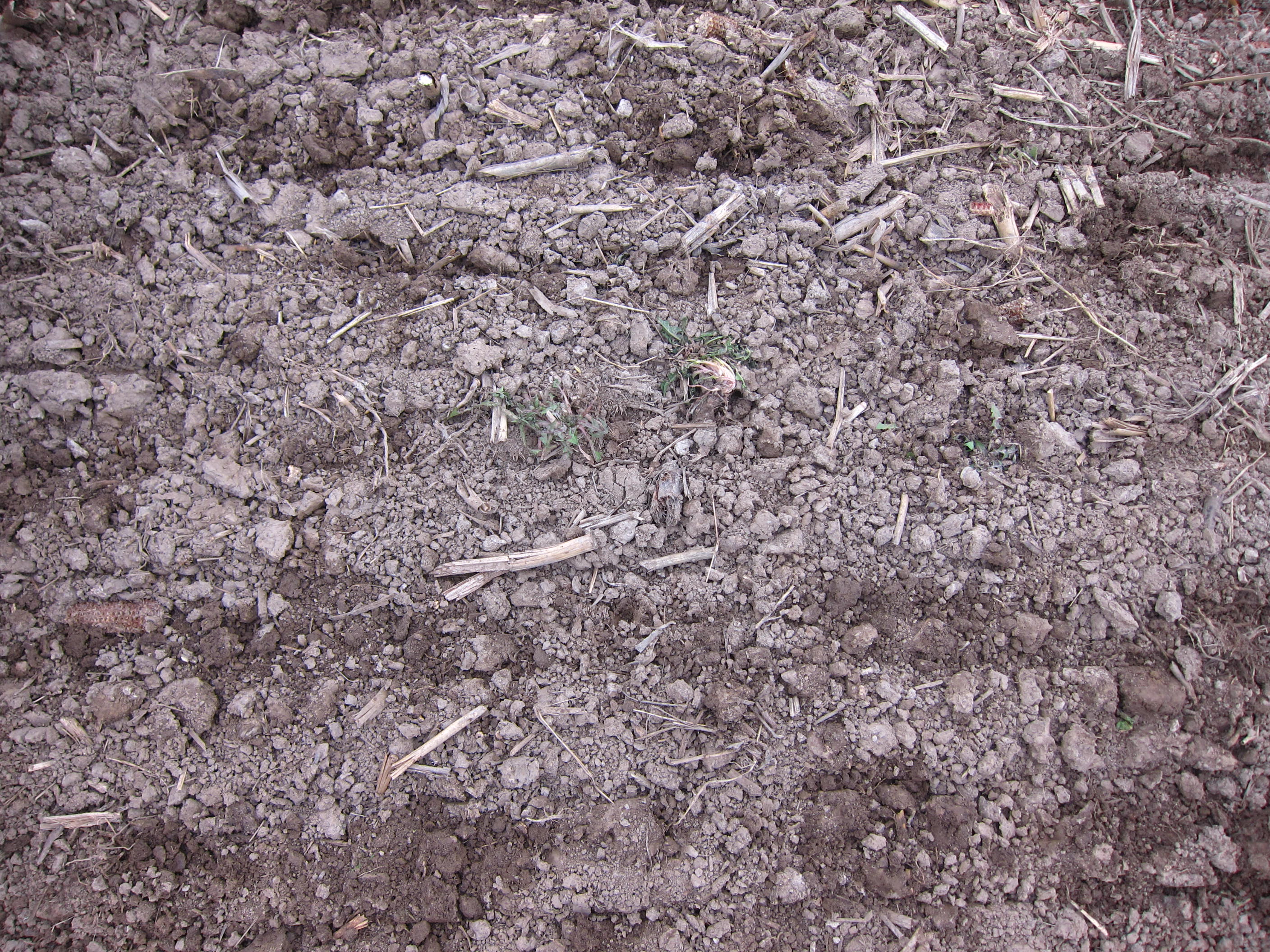
I planted this field, M6, on May 3rd. That’s the latest I’ve ever planted oats, and exactly one month later than I finished planting oats last year. I planned on showing a square-foot in this field, so I’m sticking with the plan, even though I’m not happy with the planting date. Oats grow well in cool weather.
It was a late spring, but the truth is we missed a small planting window in April because we were in the middle of building a new barb-wire fence and didn’t want to stop. We thought we would be able to plant a few days later, but a couple weeks of wet weather ruined that plan.
Farming is about windows. You want to do the right job at the right time. Work the soil and plant too wet, and you face compaction and yield reduction. Plant late, and you miss valuable heat units and yield is reduced.
Check back every weekend and we’ll see how this field progresses.
3 Comments | Curious crops, Curious farmer, Curious Square-foot | Permalink
Posted by Curiousfarmer

We tested the soil in a few of our fields last week. Pictured is the probe, laying on its side, which is pushed into the soil vertically, and then pulled back up, removing a small core of soil which you can see in the bottom part of the probe. It takes five samples to fill a testing bag. We sent our samples to AgSource Soil & Forage Laboratory, located in Bonduel, WI.
This is also the first picture in a series showing how this field changes throughout the year. We call this field M6. It was planted to corn last year. It will be planted to oats this year.
We last tested this field in 2006. It looks like our management has improved the soil profile in five years. I’ll go through the soil test without much explanation. If you have anything to add, please do.
Organic matter increased from 2.1% to 2.9%. pH stayed constant at 7.4. Cation exchange capacity increased from 10 to 11.
The next observations are all in parts per million. Phosphorous increased from 38 to 41. Potassium decreased from 109 to 97. Calcium increased from 1285 to 1600. Magnesium increased from 395 to 500. Boron increased from .5 to .9. Manganese increased from 4 to 6. Zinc increased from 3.2 to 10.4.
Our soils are different types, based mainly on our management. The soil close to my parents’ farm, next to the buildings, has had a lot of hog manure spread on it over the past thirty-plus years. The soil on my farm has received a lot of hog manure since we built the three hoop buildings in 1996-1997. The cowherd is usually fed hay in the winter on some of this land as well. As a result, the soil is high in phosphorous, and optimum in potassium.
The soil on the east hills receives no manure except for when the cows graze the fields. This soil tests low in both phosphorous and potassium.
The other farm soil receives some manure, so it’s optimum in phosphorous and low in potassium.
Our chosen fertilizer is manure. The problem with manure is it is not perfectly balanced. Our management of the manure and crop removal has caused phosphorous to increase relative to potassium. We are doing a few things to combat this. 1. Managing the spreading of manure better. 2. Feeding phytase, an enzyme which helps pigs digest phosphorous better, resulting in less phosphorous in the manure. 3. Fertilize with potash, 60% potassium, in the fall, when our budget allows. We spread 200 lbs of potash on all the crop acres last fall.
Our plan for this spring. 1. Hog manure will be spread and tilled in to all 2nd-year corn fields. Oat and hay fields on my farm and my parents’ farm close to the buildings will receive nothing. 2. Other farm and fields farther from my parents’ buildings received 200 lbs of potash to increase potassium. 3. East hills received 100 lbs of potash and 100 lbs of MAP, 52% phosphorous, to increase potassium and phosphorous.
4 Comments | Curious crops, Curious fertilizer, Curious Square-foot | Permalink
Posted by Curiousfarmer

