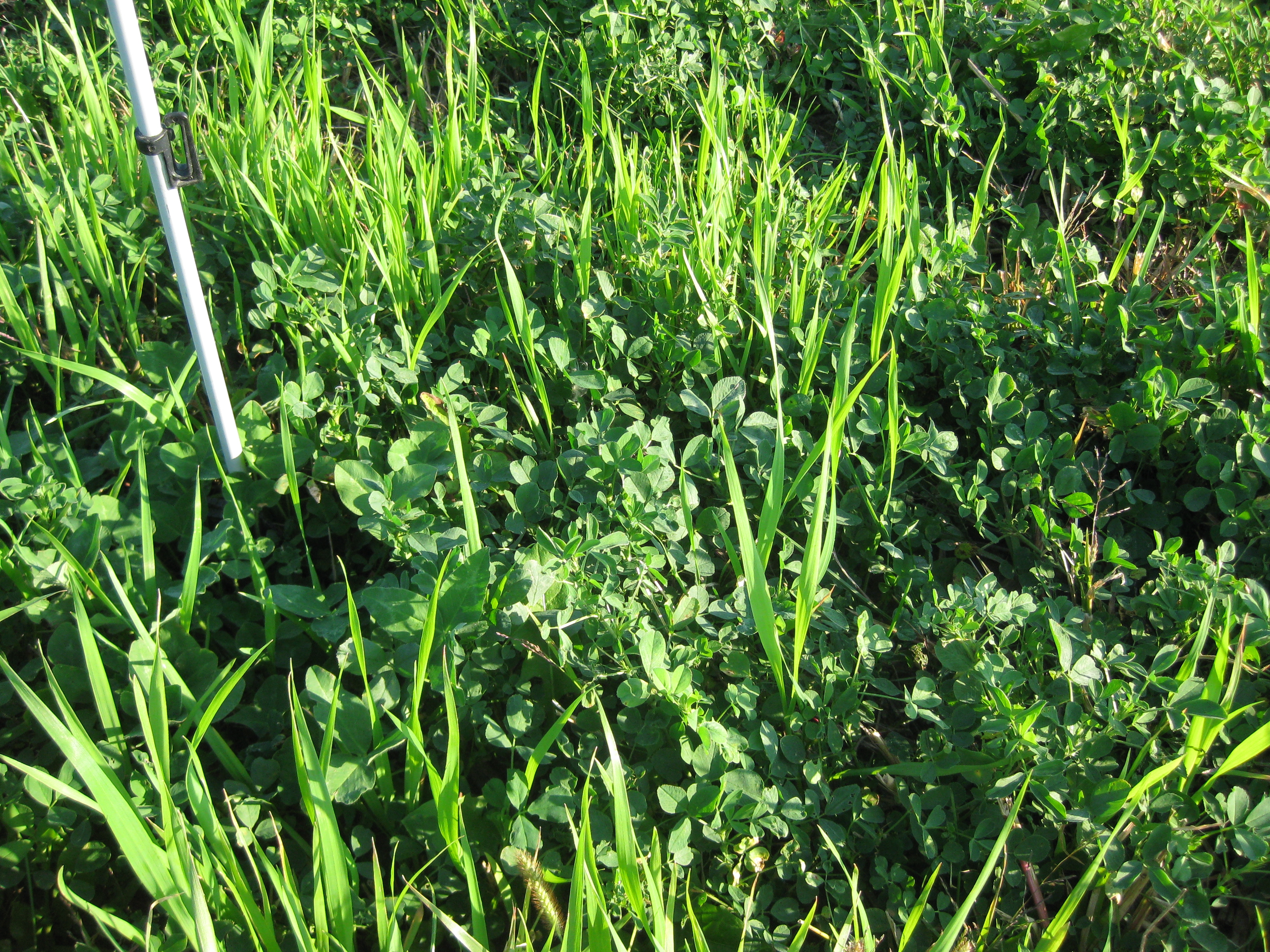
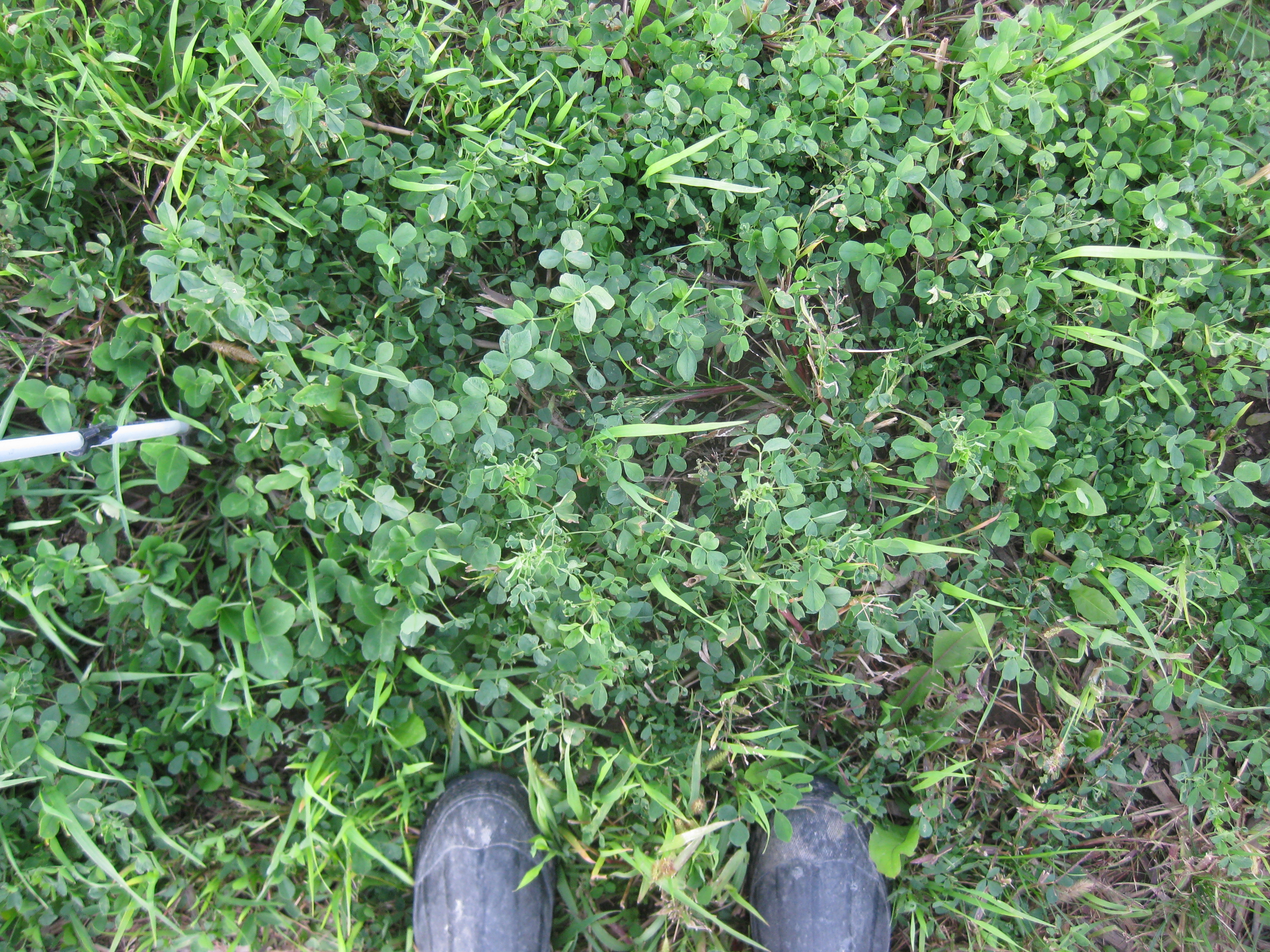
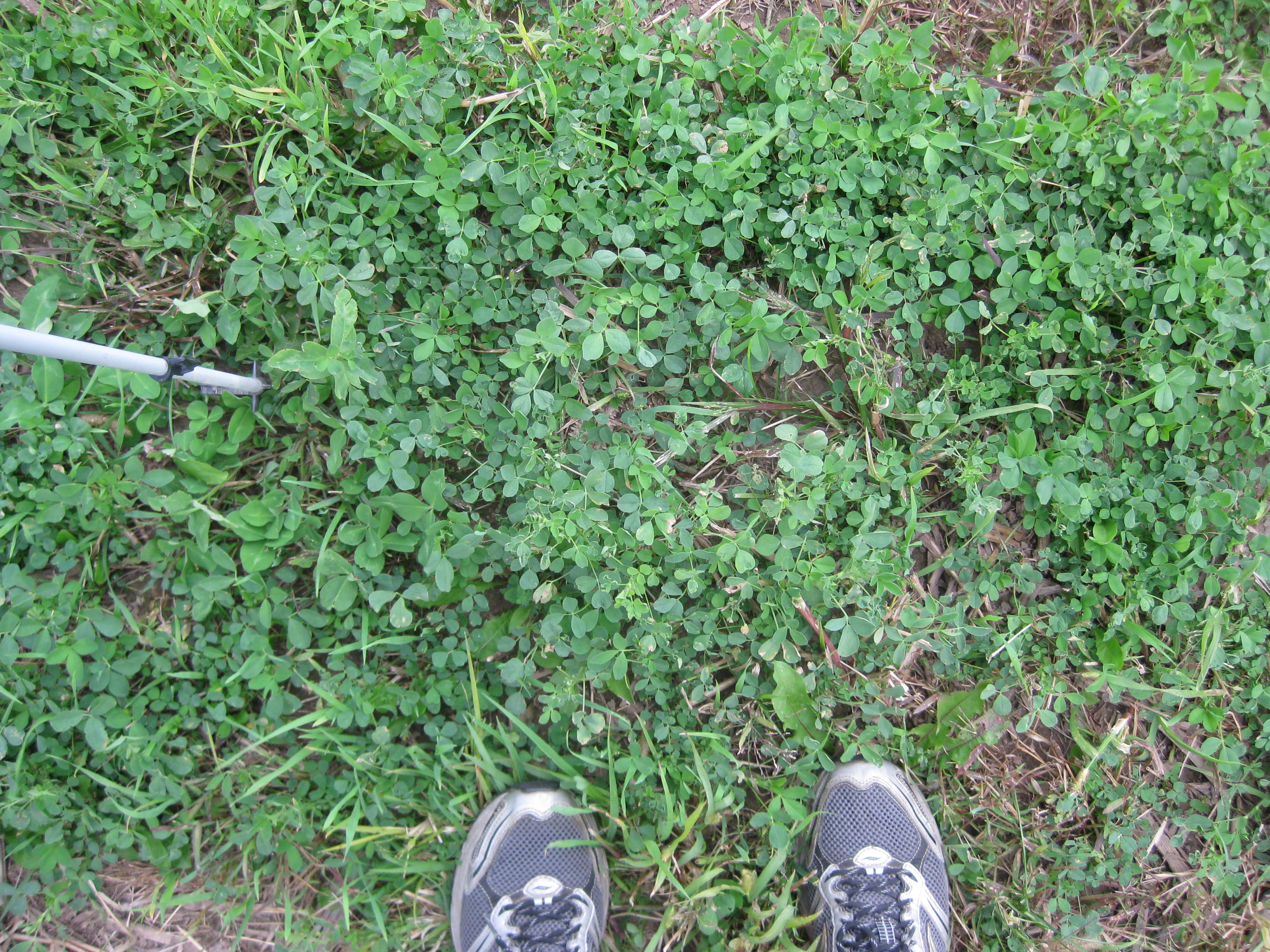
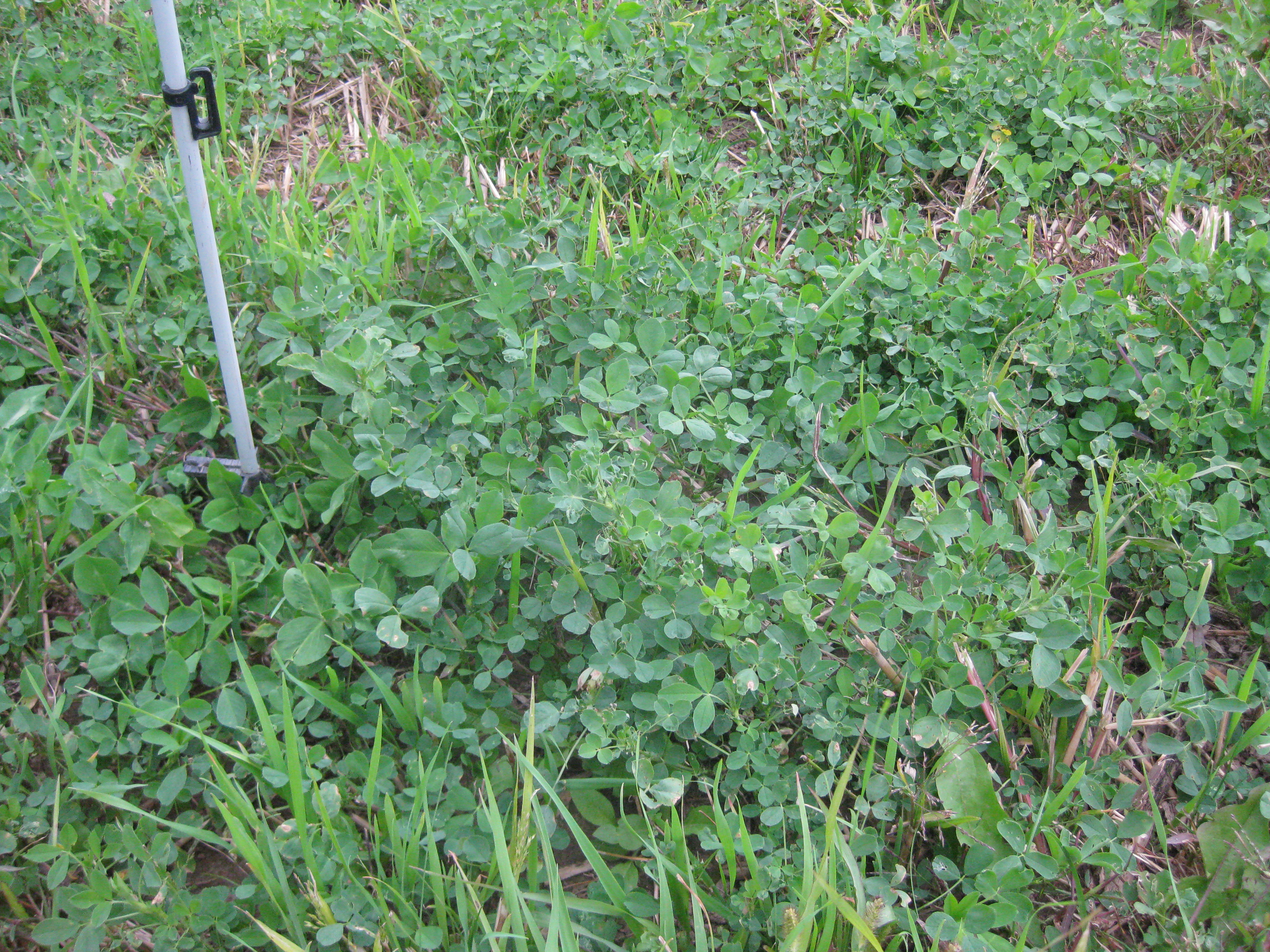
Still growing.
Square-Foot Saturday 23, October 1, 2011
October 1, 2011Jude Becker’s Philosophy
September 25, 2011I cut the spring garden peas. They regrew and flowered. I don’t recall the flowers being this pretty in the spring.
—-
“Do you ever see piles of junk around a winery?” Jude Becker asked.
“No.”
“And why not? Because the wine people decided that a visit to their farm would be a wonderful part of the wine experience. That’s what I want to do here.”
We stood in the loft of his remodeled barn, surrounded by his Dad’s beautiful wood projects, including a depiction of the twelve apostles, commissioned by a church but never paid for. We leaned against the bar.
“Why can’t pork be the same as wine? This is where I want to have tastings.”
I thought about what Jude said, and I realize he’s right. Pork should have more prestige than wine. Somehow we’ve commoditized this animal, and took away anything special, anything which could enrich our life rather than just sustain it. And in so doing, we’ve commoditized the farmer.
Jude strives to differentiate his pork from commodity pork. Why shouldn’t his pork be different from mine also? We could celebrate the terroir of pork. We could celebrate the seasons. We could celebrate the in-season feeds.
Citygirlfriend grew celery this year. It was dense, dark-green, and full of flavor. I raved, “This is nutrient-dense celery. I never want to eat store-bought celery again.”
I know all of this sounds artisanal, and it is. I’m going further down the artisanal road, and probably won’t be able to ever return to commodity food production. So be it, I’m not a commodity, why should my food be?
A Visit to Becker Lane Organic Farm
September 20, 2011Jude Becker, of Becker Lane Organic Farm. Jude is an Iowa State graduate, and probably the largest outdoor pig producer in the US. He supplies fresh, organic pork, year- around, to many discerning customers, including Whole Foods. Jude even has a quote from Michael Pollan, raving about his pork.
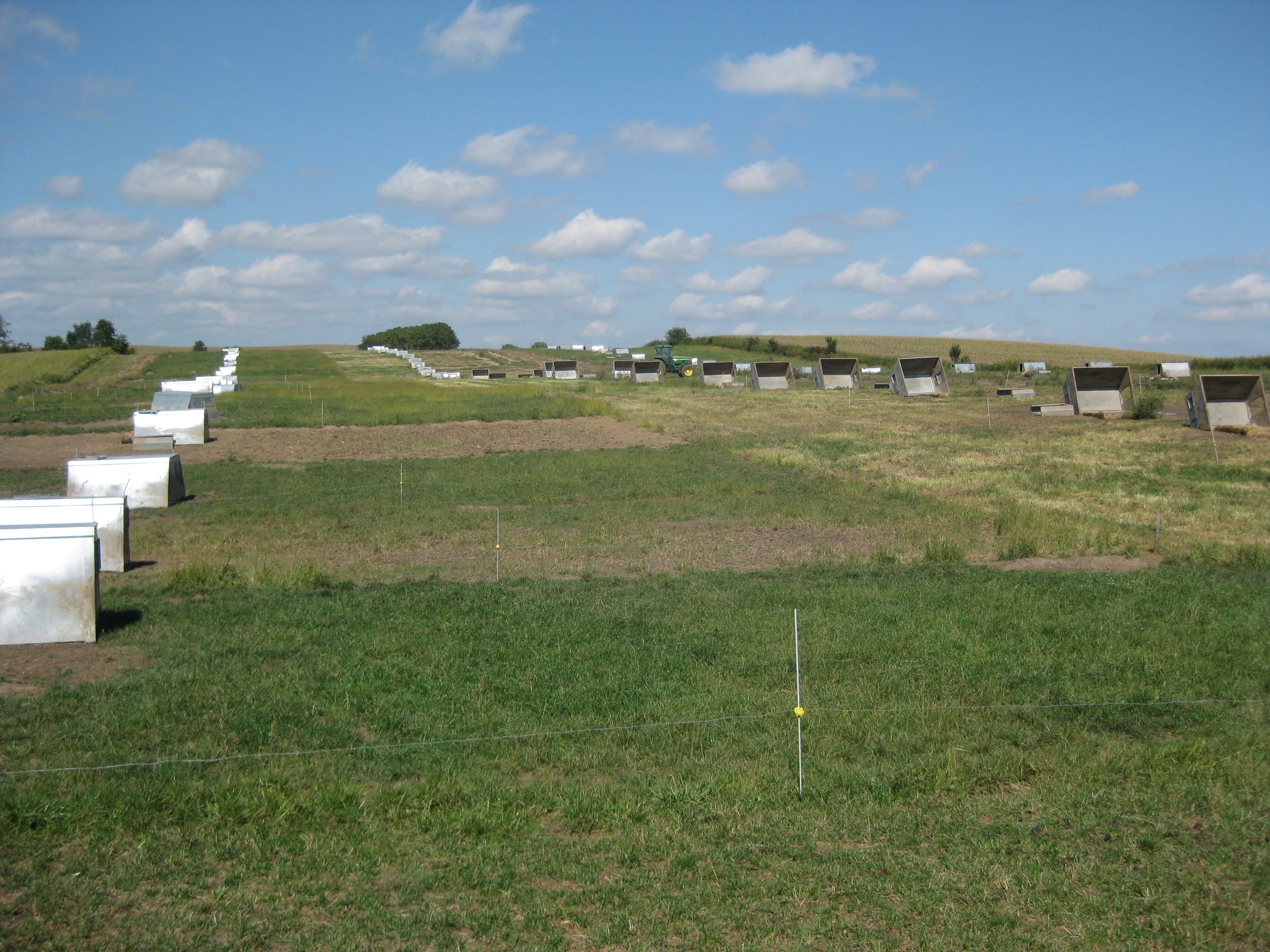
I knew I was close to the right farm when I saw farrowing huts stretching over the horizon. Jude has three full-time employees. Production is intensive and extensive. Each of these huts is individually fenced, with one sow and litter in each pen. Two sows share a water, and each is fed individually, once a day. The shelters in the right of the photo are turned on their side, and being disinfected before being used for another litter.
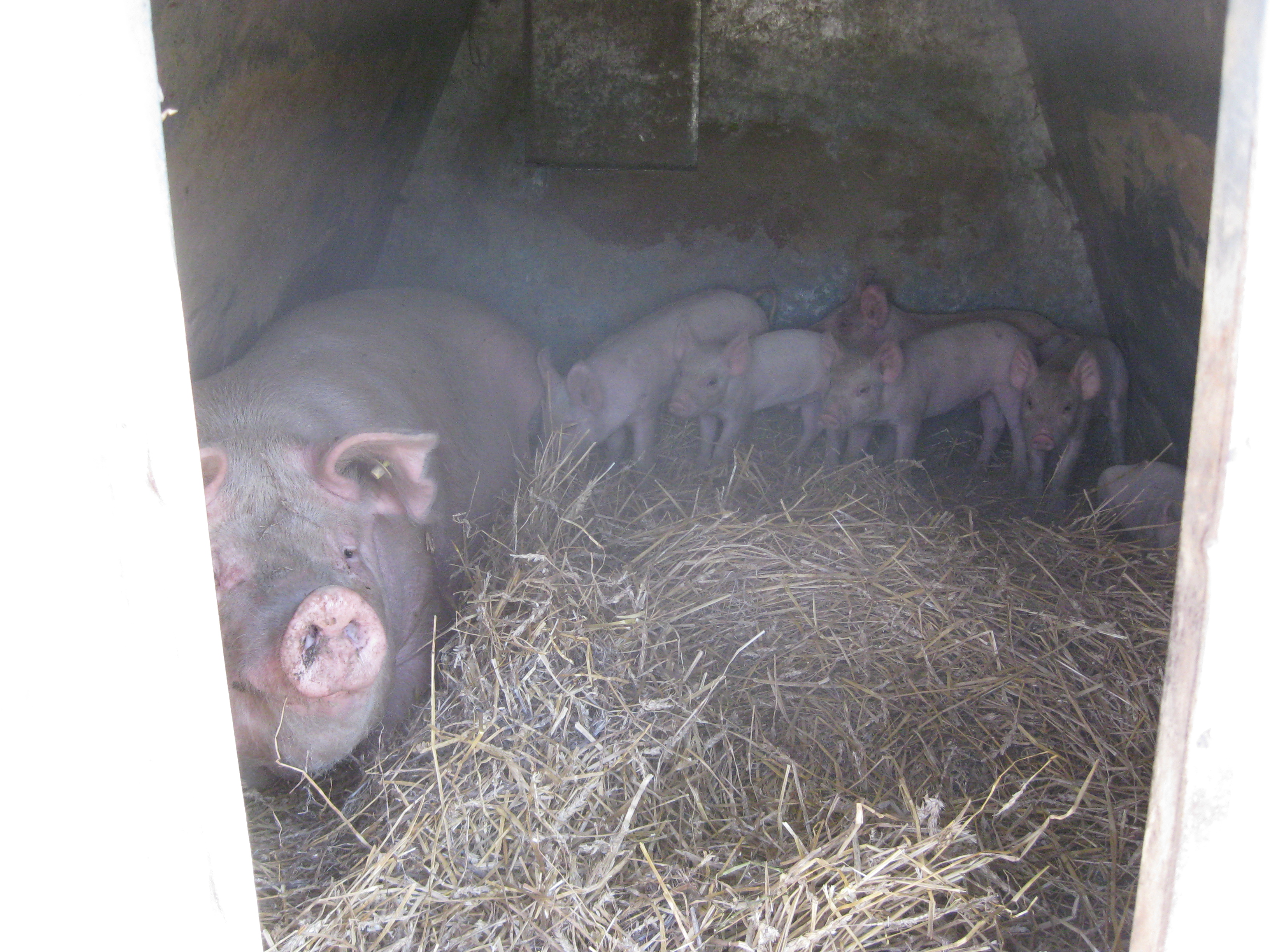
Sow with litter, in farrowing hut. Jude has tried cheaper huts, but finally settled on the cadillac of farrowing huts, John Booth, imported from the UK. Huts are insulated, so Jude is able to farrow in the heat of summer, and the cold of winter.
Piglet crushing is still a problem. Jude is still searching for the best genetics for outdoor pig production. His current philosophy is to have a super-maternal sow, bred to an excellent meat-quality boar. Jude uses artificial insemination to breed his sows.
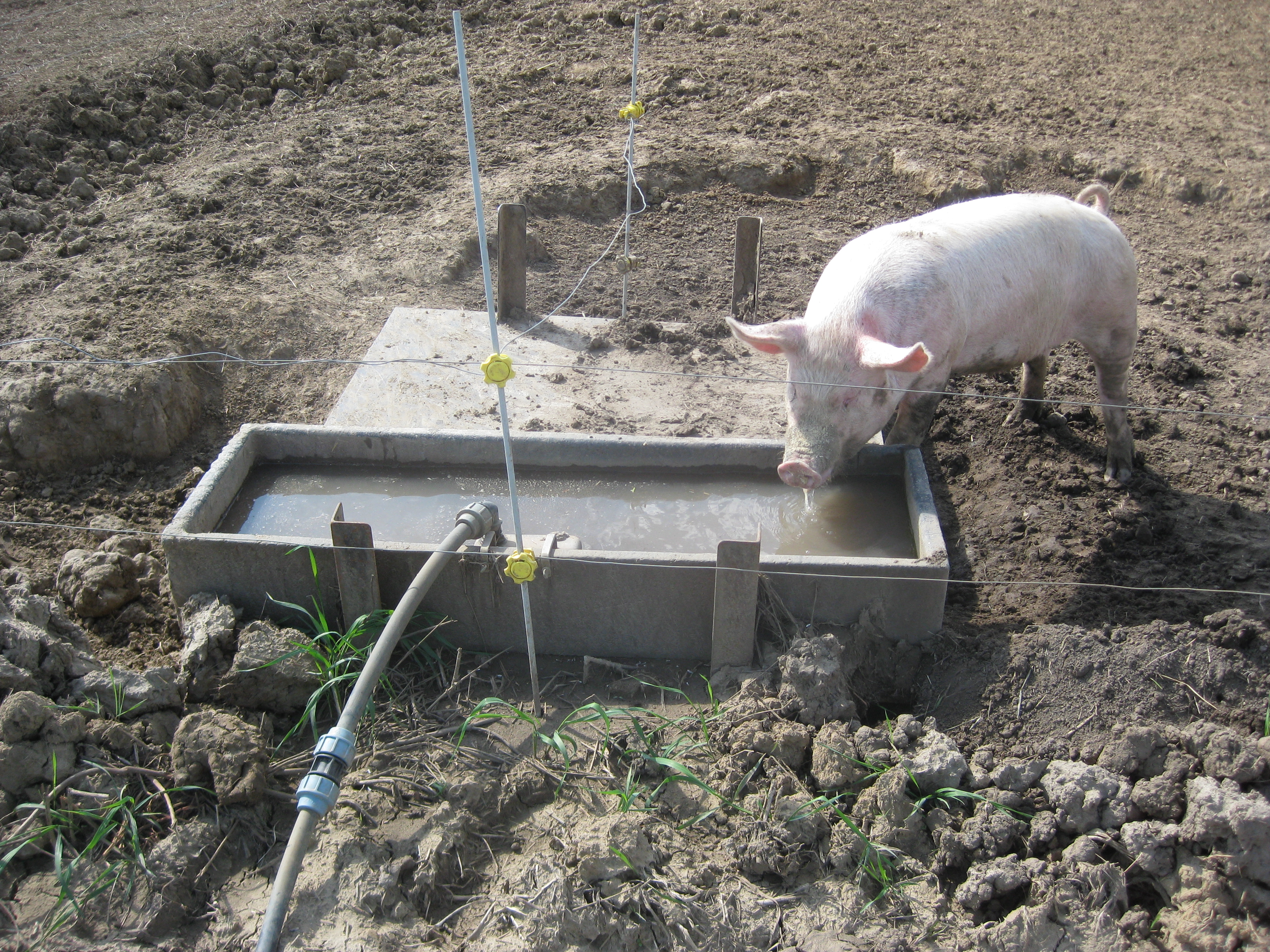
Pig drinking. One well supplies water to all his pigs. Most of his equipment has been imported from Europe, as they are years ahead of the US with outdoor pig production.
Good news, bad news. I’m heartened to see pigs consistently kept in with a two-strand electric fence. I’m disheartened to see the destruction of Jude’s pastures from the pigs’ incessant rooting. Jude admits this is a major hurdle for outdoor pig production.
Going to Jude’s farm, I hoped to find a protocol which I could copy. But, like most things in life, I realize I’m still going to have to find my own way.
Thank you Jude, for being a gracious host, giving me many ideas, and hopefully saving me some troubles.
Square-Foot Saturday 21, September 17, 2011
September 17, 2011Square-Foot Saturday 20, September 10, 2011
September 11, 2011Black and Yellow Garden Spider
September 6, 2011The Black and Yellow Garden Spider, Argiope aurantia. This one is a female. I don’t recall ever seeing a male, which, according to the link, is much smaller and duller.
The female mates only once, with a male who has been hanging around her web. The male dies after mating, sometimes being eaten by the female. I guess the male must actually lose something vital from sex, giving credence to the fear of old-time coaches, who advised their athletes to avoid sex before a contest.
The Garden Spider’s size, brilliant color, and huge, orderly web, help make it one of a child’s first insect memories, at least in the American countryside. Below are a couple of egg sacs. Spiders hatch from the egg sac the following spring.
Square-Foot Saturday 19, September 3, 2011
September 3, 2011Midwestern Bio-Ag
September 1, 2011I enjoyed attending a Midwestern Bio-Ag field day. Fertilizer is their main business, but they also deal in feed and seed. Pictured is a large truck which is used to spread fertilizer, and a red buggy which a farmer can pull behind a tractor to spread fertilizer.
Gary Zimmer is the founder of Midwestern Bio-Ag. I picked up a copy of his new book, “Advancing Biological Farming.” He sold me in his introduction, when he wrote:
“So please, when you read this book don’t be too quick to judge. Don’t read between the lines. I’m sure you can find some details you won’t or can’t agree with, but remember, these are my thoughts, observations, ideas, and experiences up to this point in time. Show me a better way and I’m ready to make changes and take on new ideas after they have been tested and their success demonstrated on the farm. I want to know when it works, how it works, why it works or doesn’t work. If a new idea makes sense, improves quality and/or yield, and is profitable, then let’s go with it.”
I always listen to a person who admits he doesn’t know everything.
I have a difficult time knowing if a fertilizer is real, or “foo-foo dust”. There are so many variables in farming, it’s nearly impossible to know if a little something we spread on the fields has an effect. Unless I correct a visible deficiency, fertilizer is almost faith-based.
That being said, I’m thinking about working with Midwestern Bio-Ag for my fertilizer wants and needs. I plan to figure ways to test the effectiveness of their products.
Square-Foot Saturday 18, August 27, 2011
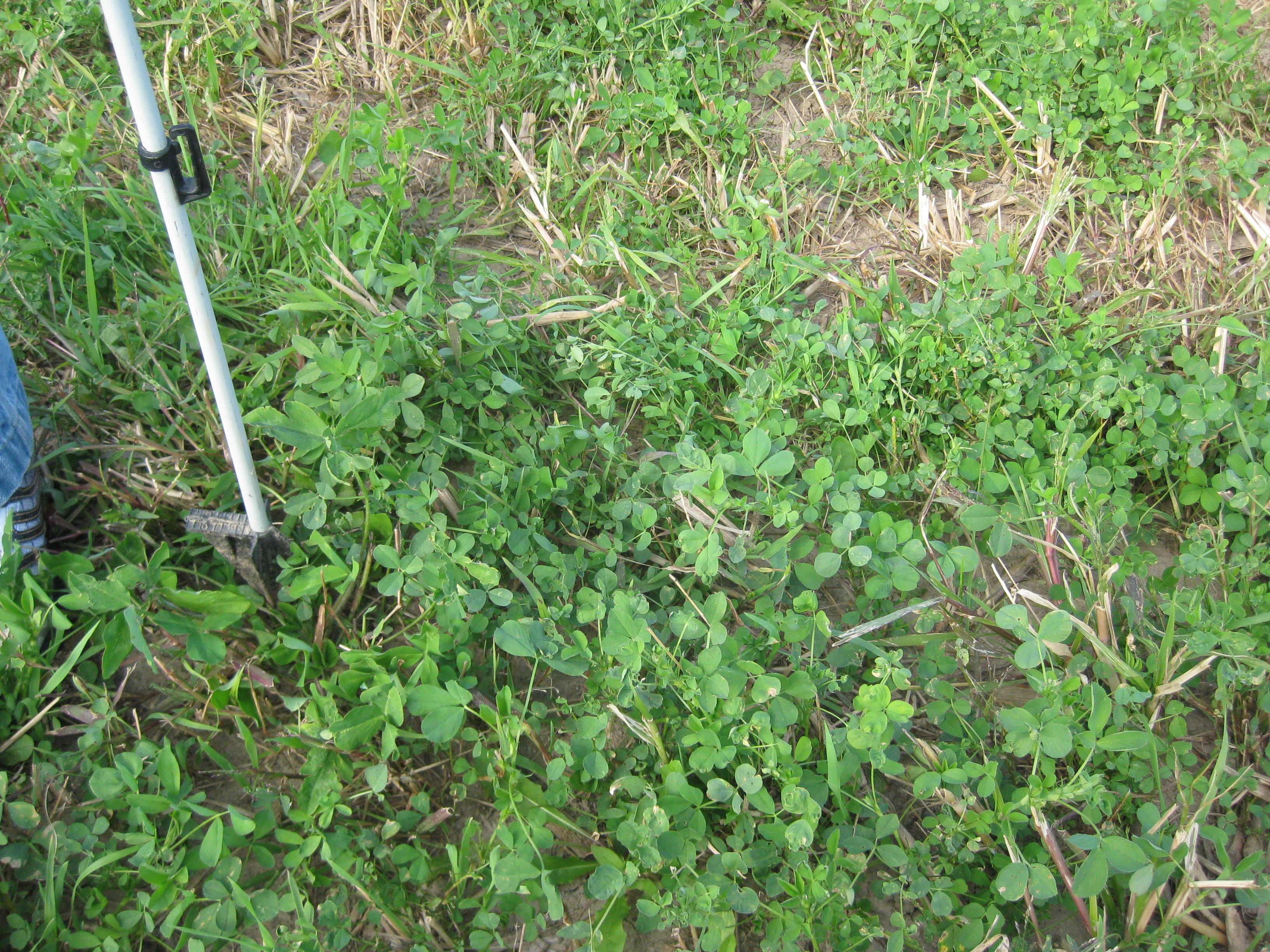
August 27, 2011Another week of growth.
This is not what I envisioned when I started this series. You can hardly see the alfalfa through the weeds. I eat a huge slice of humble pie every time I post.
So I’m including a picture of last year’s new hay seeding for my wounded pride. It’s ready to be cut for a third time this summer, and there isn’t a weed visible.


Posted by Curiousfarmer