Placentophagy: Mammals Eating Their Own Placenta

June 10, 2010

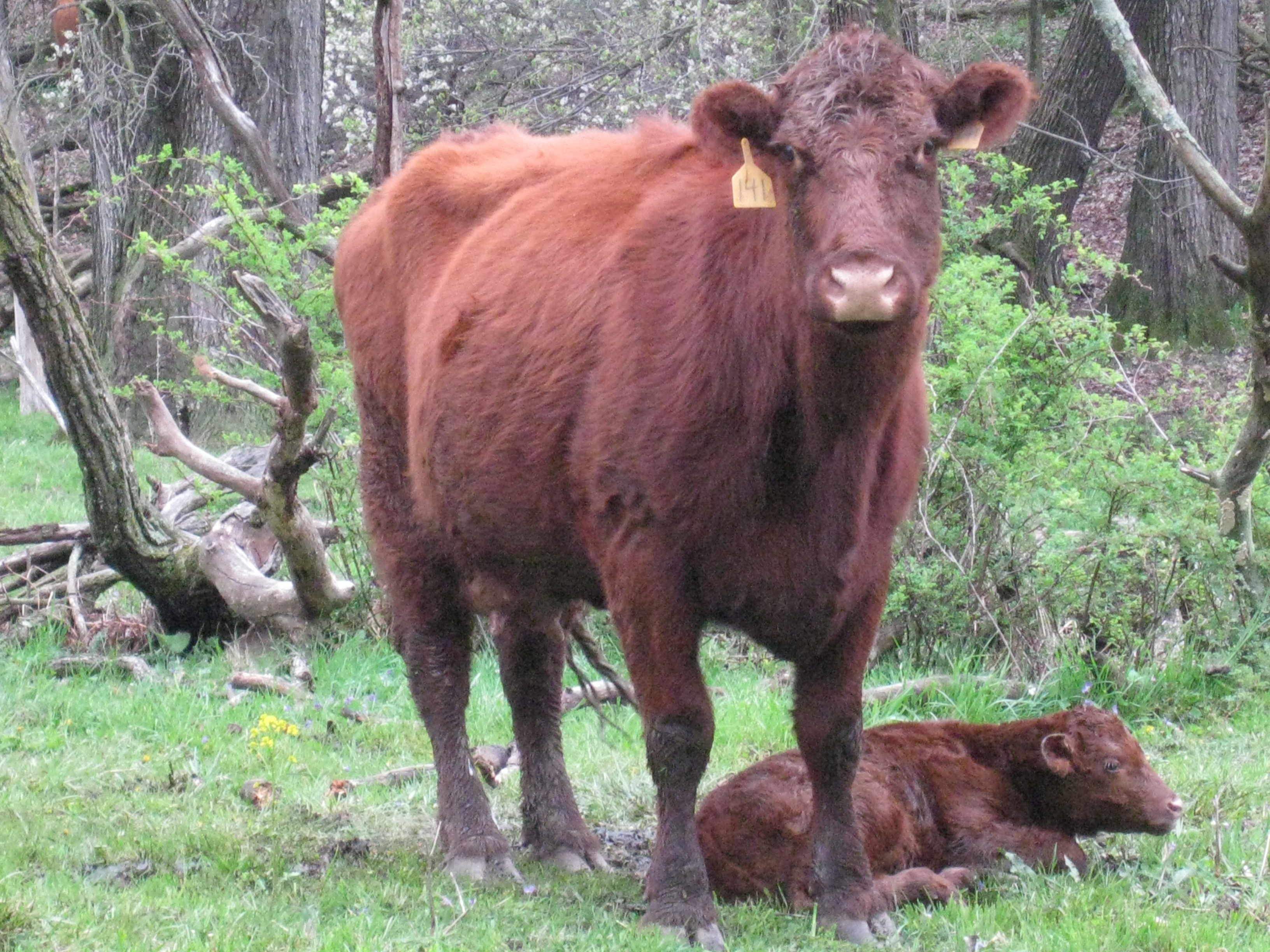
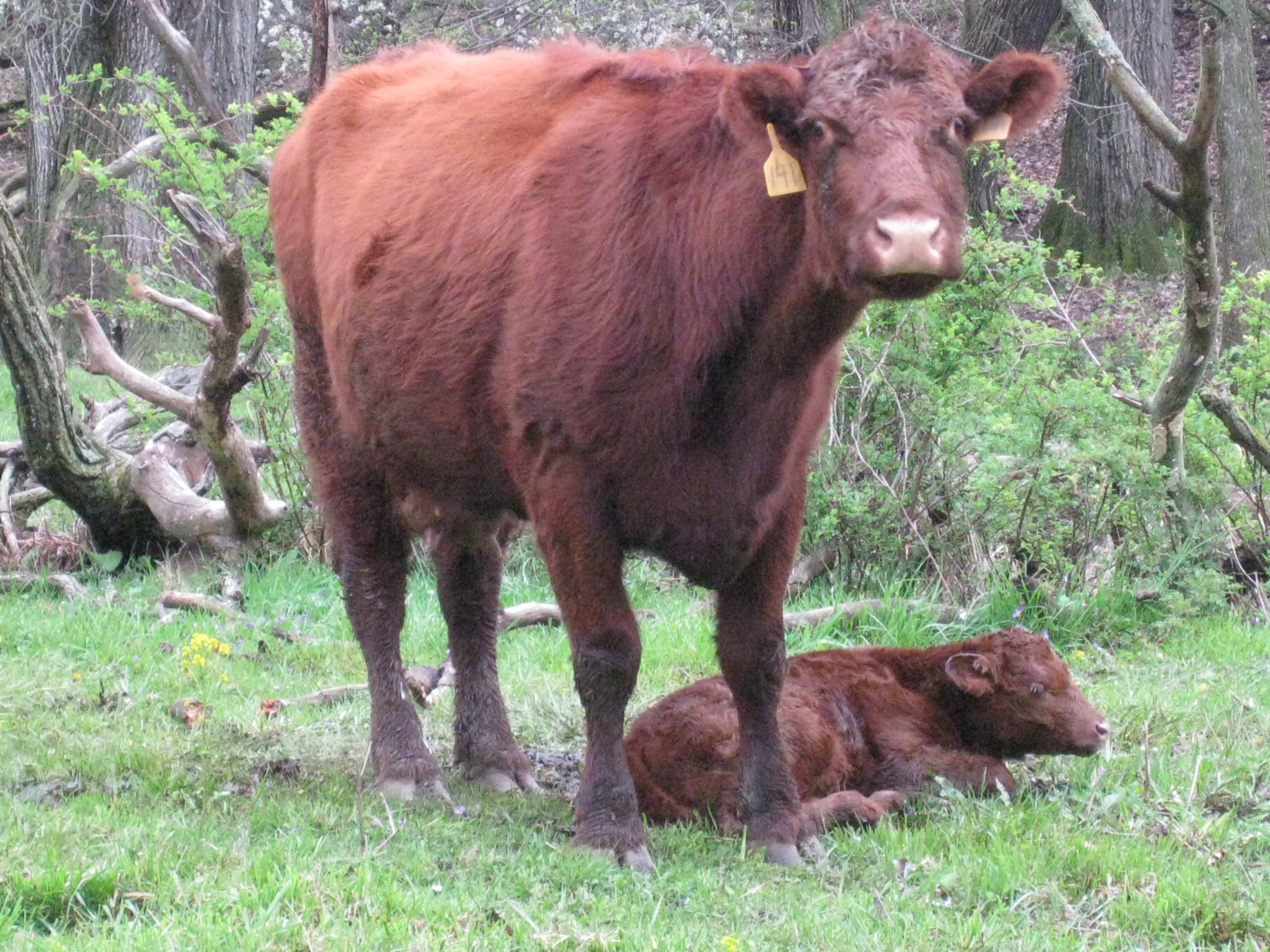
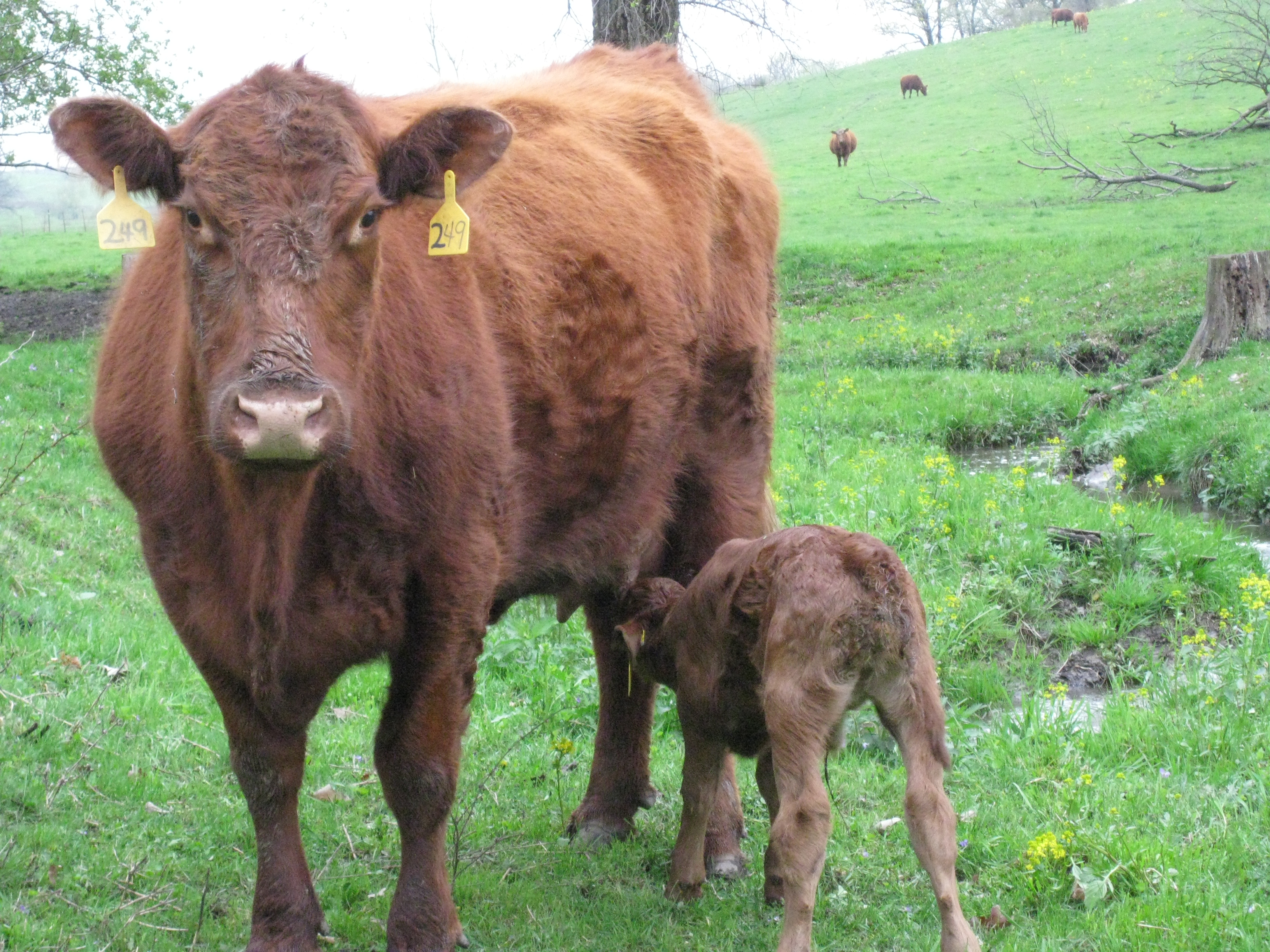
Cow eating placenta, shortly after giving birth.  Why do they do this?  Many other mammals do as well.  It’s called placentophagy.

It’s becoming vogue for people to eat placenta.  There are purported health benefits.  Have you heard of this?

Here is a funny video of Joel Stein, my favorite writer for Time, watching his wife’s placenta being prepared for consumption.

“You’re not going to kiss me with that mouth, are you Mom?”


Building a New Fence III

June 1, 2010

This is the final fencing post.

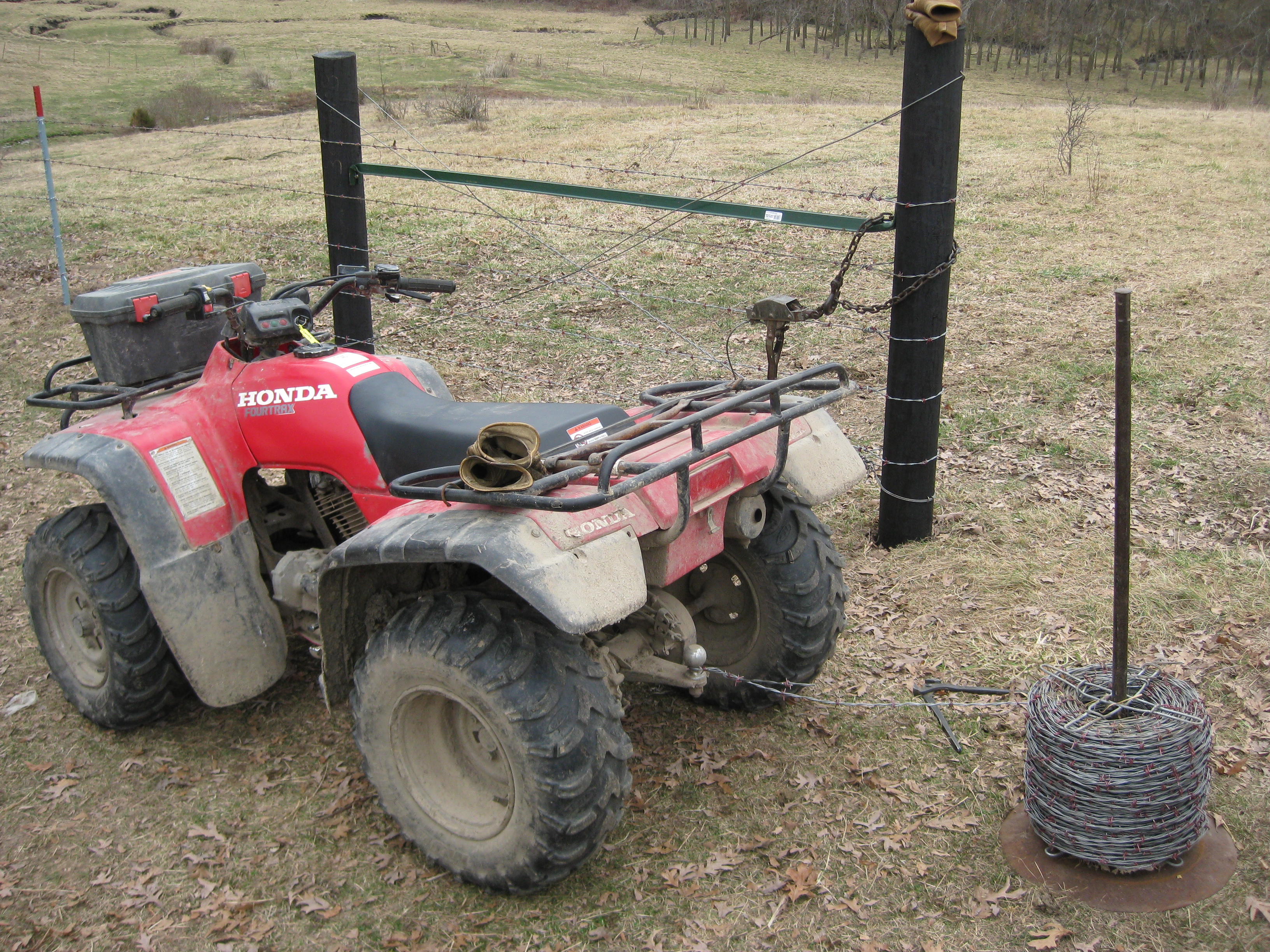
A metal rod is pounded into the ground and an old disc blade is placed on the ground to protect the soil.  The roll of barb-wire is placed on the disc and one end of the wire is tied to the ATV.  I use the ATV to pull the wire to the other end of the fence and tie it to the end post.

After your first wire is in place as a guide wire, pound the rest of your posts into the ground.  We use a ratio of five metal to one wooden.  Metal posts are cheaper and don’t rot; but wooden posts are stronger and resist cattle pushing on the fence better.

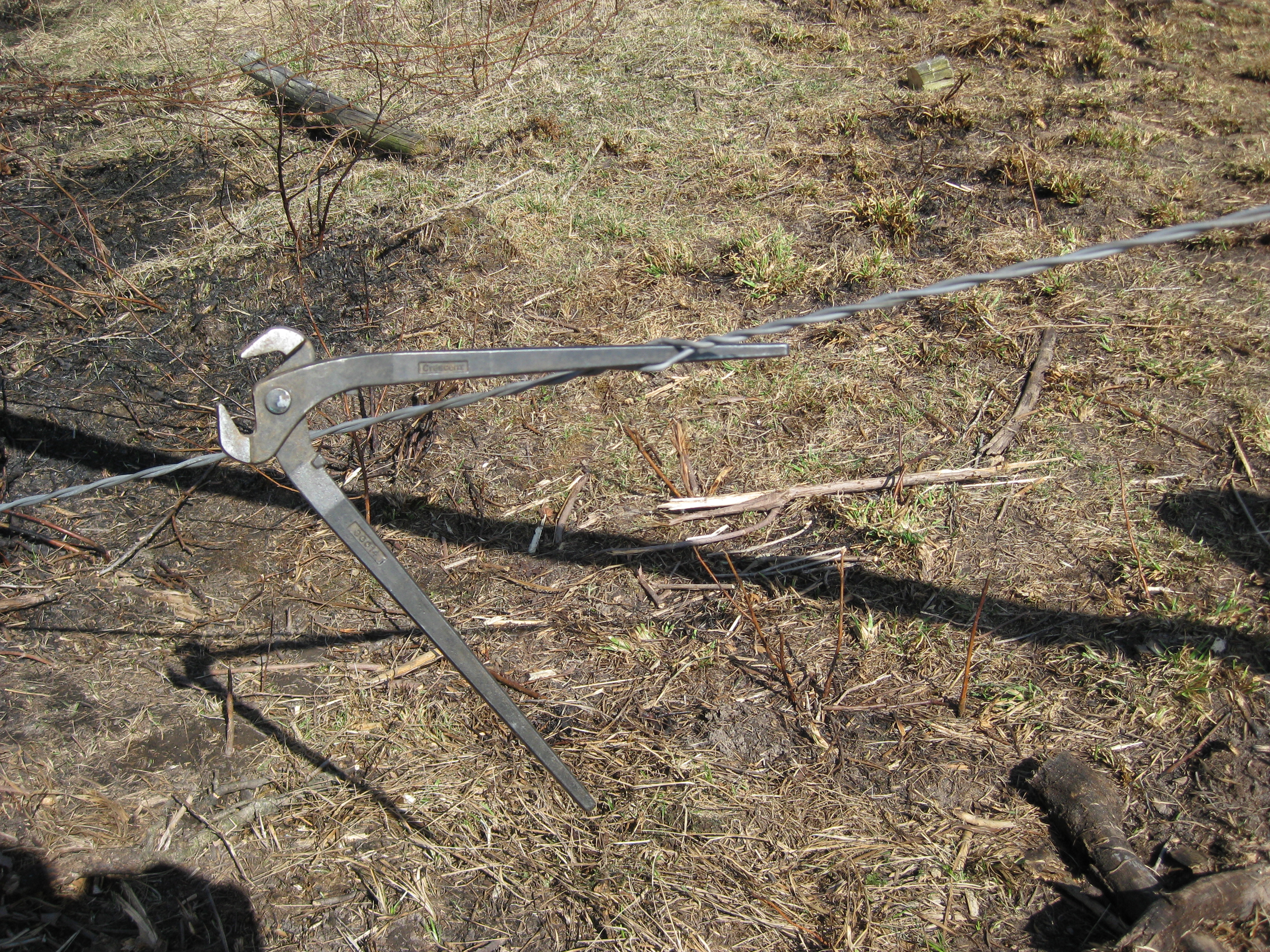
A fence-stretcher is attached to the wire.  As Dad cranks the handle, I make sure the wire is not caught on any brush and is in line with the fence.  I use a pliers because if the fence-stretcher slips off, the wire will slip quickly and cut through your hand.

Once the proper tightness is achieved, the wire is tied to the end post and the fence-stretcher is removed.

A clip is used to secure the wire to the steel post.  There are notches on the post and we use these as markers to make sure the wires are evenly spaced.

Staples are used to secure the wire to the wooden posts.

This concludes my fencing posts.  If you have any questions, please comment.


Building a New Fence II

May 25, 2010

Brace posts with metal brace and brace wire running diagonally from upper second post to lower end post.  Once you’ve decided where to put your fence, put your brace posts in.  You need a set of brace posts on each end of your fence in order to pull the barb-wire tight. 

You can also have more, based on your needs.  We put six sets of brace posts in this quarter mile of fence because we put a space for a gate, and had to fence across two valleys. 

We use six-inch diameter, eight-foot long, creosote-treated posts and pound them into the ground about three feet for our brace posts.  The posts in the interior of the fence are five-inch diameter, seven-foot long creosote-treated posts.  We have found no other wood treatment comes close to creosote for preserving wood from rotting.  It is frustrating to build a new fence and watch the wooden posts rot off in ten or fifteen years.

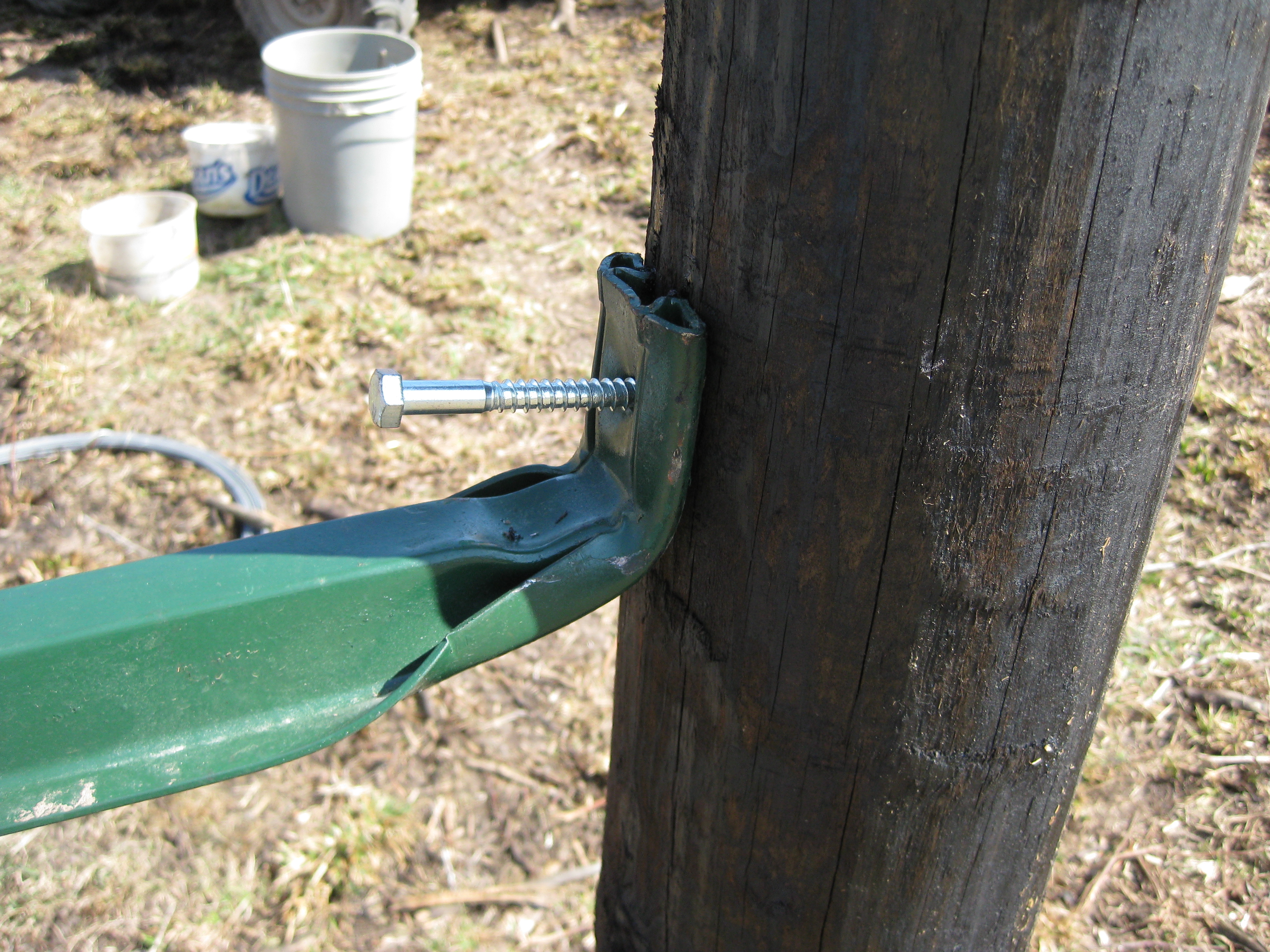
The metal brace is secured to the posts with a lag-bolt.  We put our brace in level, about two-thirds up the posts.  Many people are putting the brace at the top.  The old-fashioned way is to put the brace at an angle.  This has the tendency to pull one of the brace  posts out of the ground, though.

The brace wire is run through a staple at the top of the second post, around the posts, and through a staple at the bottom of the end post.  After it is tied, I use the handle of a fencing pliers to wind it, thereby tightening it.  This pulls the two posts together against the brace, making an excellent anchor to stretch barb-wire for your fence.


Body Language in Cattle

May 21, 2010

Citygirlfriend helped us move the herd to the next pasture.  The young calves are slow to move unless they are at their mother’s side.

Citygirlfriend did fine.  I didn’t go far from her, though.  I worried she wouldn’t recognize dangerous body language in the mother cows.

The cow above is protective of her new calf, but neutral.  When I approached her, look at how her body language changed.  She is telling me she won’t back off and I better.

What do you see? 


Building a New Fence

May 11, 2010

I’m finally getting around to posting the photos and writing about making our new fence.  We made the fence the week after my post, “Tearing Out Fence.”

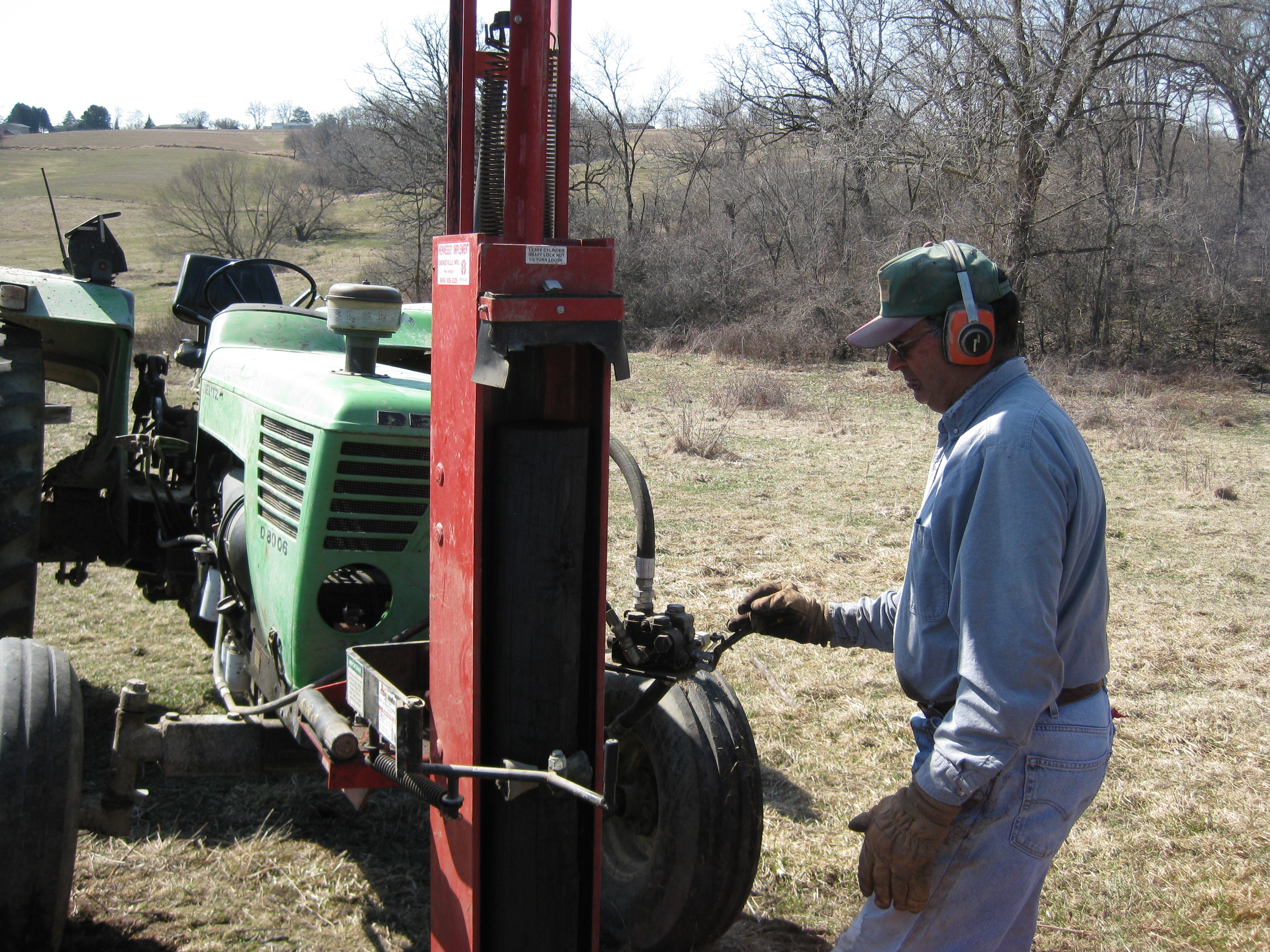
This is a quarter mile of fence.  Pictured above is the post pounder on the front of our tractor.  It is a machine that pounds posts into the soft ground without the need for digging a hole.  It saves a lot of time.  We purchased it new for $2,000 a couple of years ago.  It replaced the one we had used the previous thirty years.

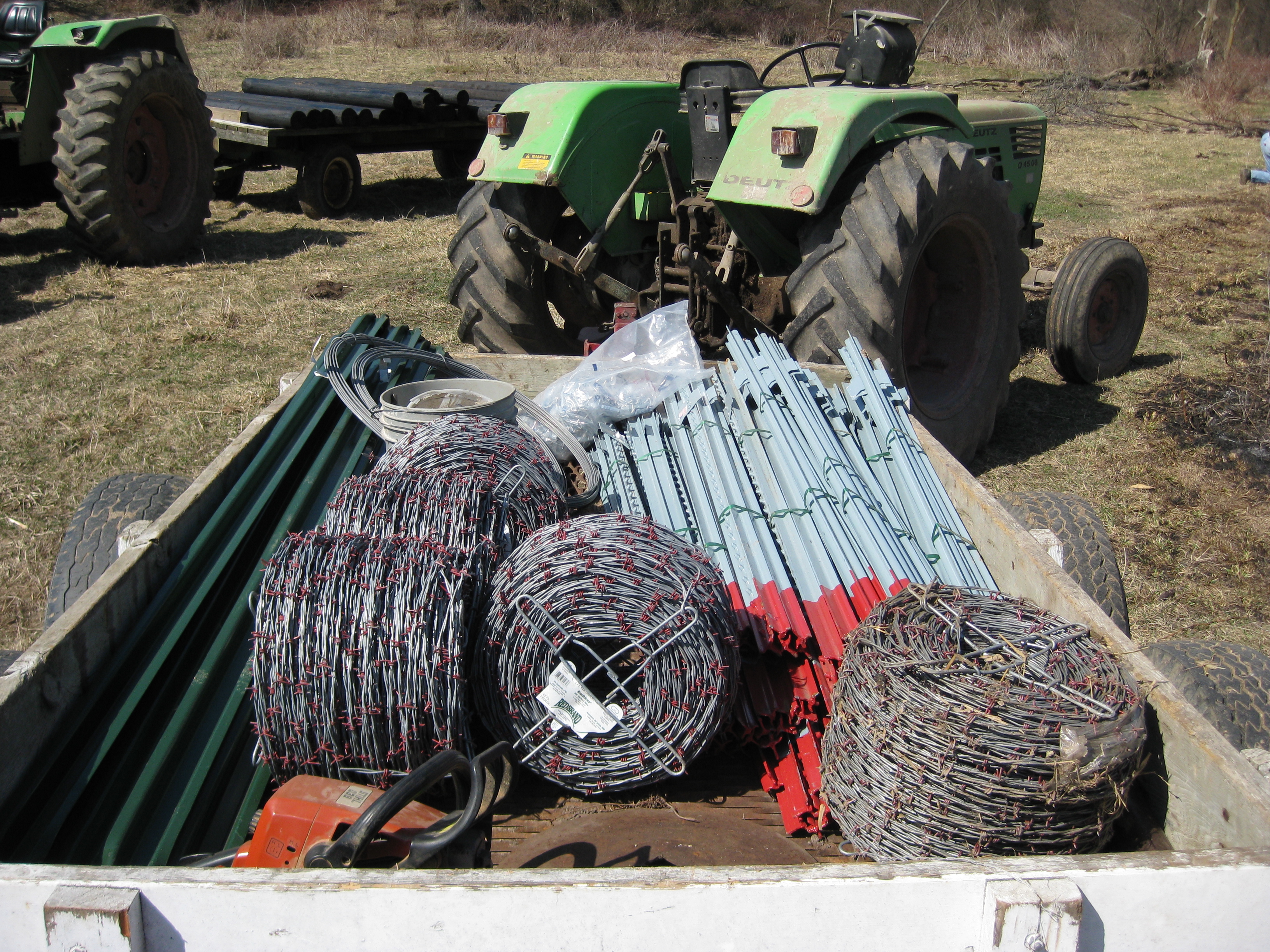
Most of the materials needed to build the fence are pictured below.  We used 100 steel posts, 15 5×7 wooden posts, 12 6×8 wooden posts, 6 ten’ steel braces, 1 roll of brace wire, 5 rolls of barb-wire, staples, and clips.

The costs for the materials are as follows.

100 steel posts @ $3.95 each, equals $395.

15 5×7 wooden posts @$12 each, equals $180.

12 6×8 wooden posts @$18 each, equals $216.

6 ten’ steel braces @$14.99 each, equals $90.

1 roll of brace wire @$10.99 each, equals $11.

5 rolls of barb-wire @$64.95 each, equals $325.

Clips are included with the purchase of the steel posts and staples are relatively cheap. 

So the grand total is $1217.  Multiplied times four equals the cost per mile, $4868.  Not a cheap fence, but we expect it to last thirty years. 

Will I be around to build its replacement?  Who will I be working with?

Following posts will go into more fence-building detail with pictures and explanations.

After and before pictures.


Found Frogs: Gray Tree Frog

May 8, 2010

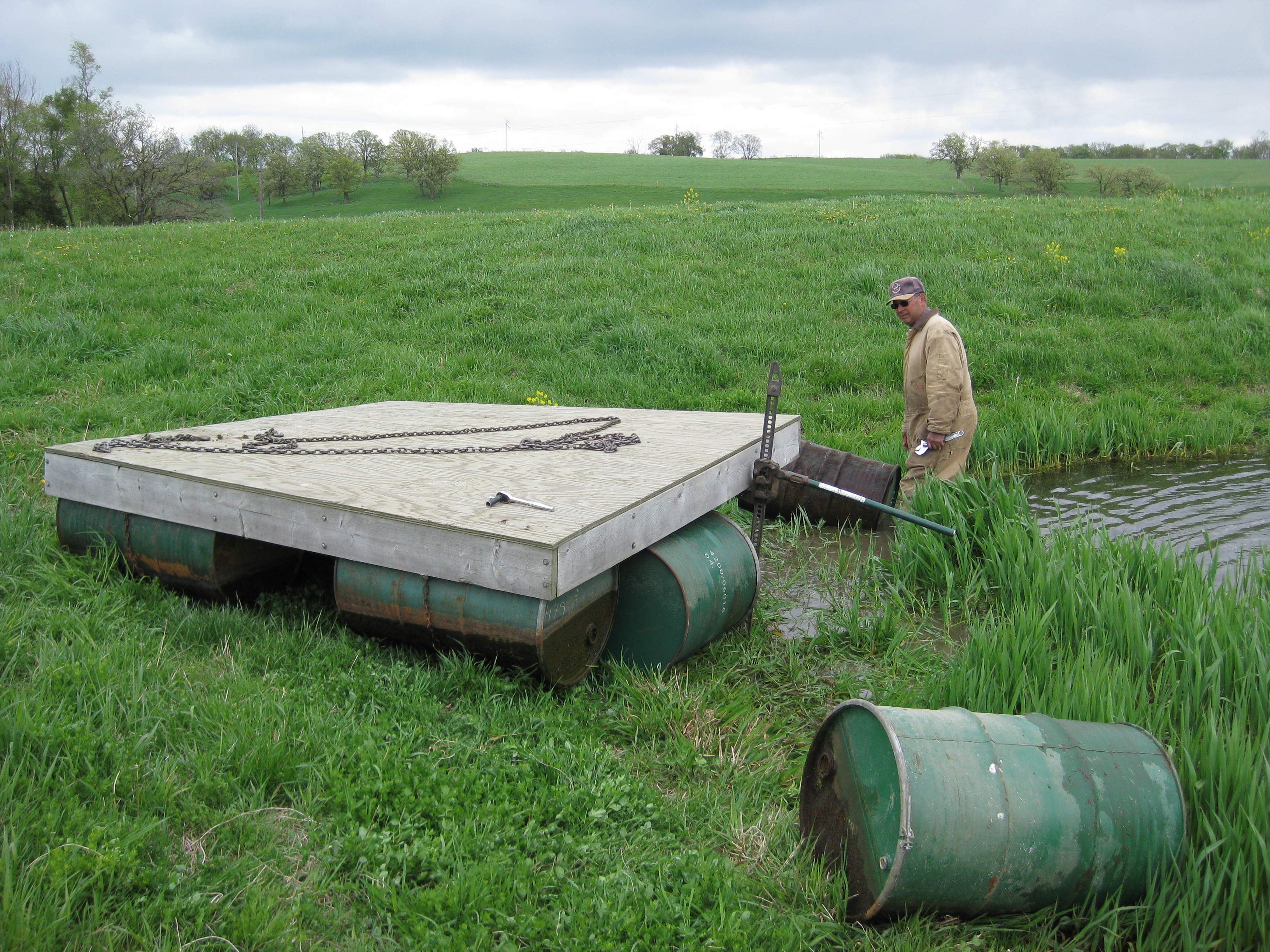
Two of the barrels under one corner of the raft were leaking.  We pulled it out of the pond with a tractor, jacked up the corner, unbolted the barrels, and paused, because we heard something.

“Wait a minute.  Do you hear that?  It sounds like frogs.”

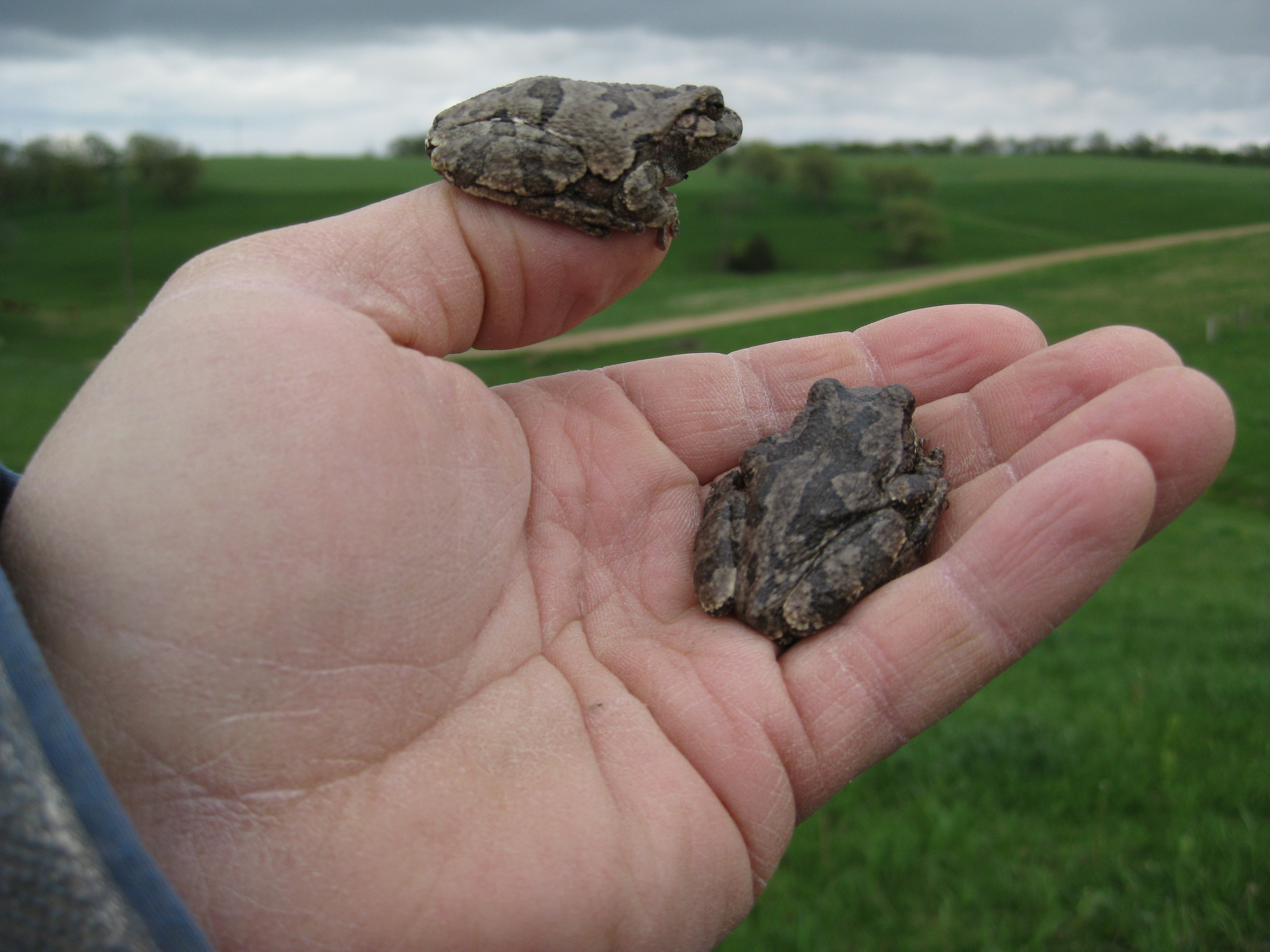
I kicked a barrel loose and two Gray Tree Frogs fell on the ground.  They must have climbed up onto the barrels underneath the raft. 

So now I’m thinking the frog eggs in the last post belong to the Gray Tree Frog. 


Toads and Frogs, Living and Loving

May 6, 2010

I love toads and frogs.  The first week of May always finds me searching for eggs and tadpoles. 

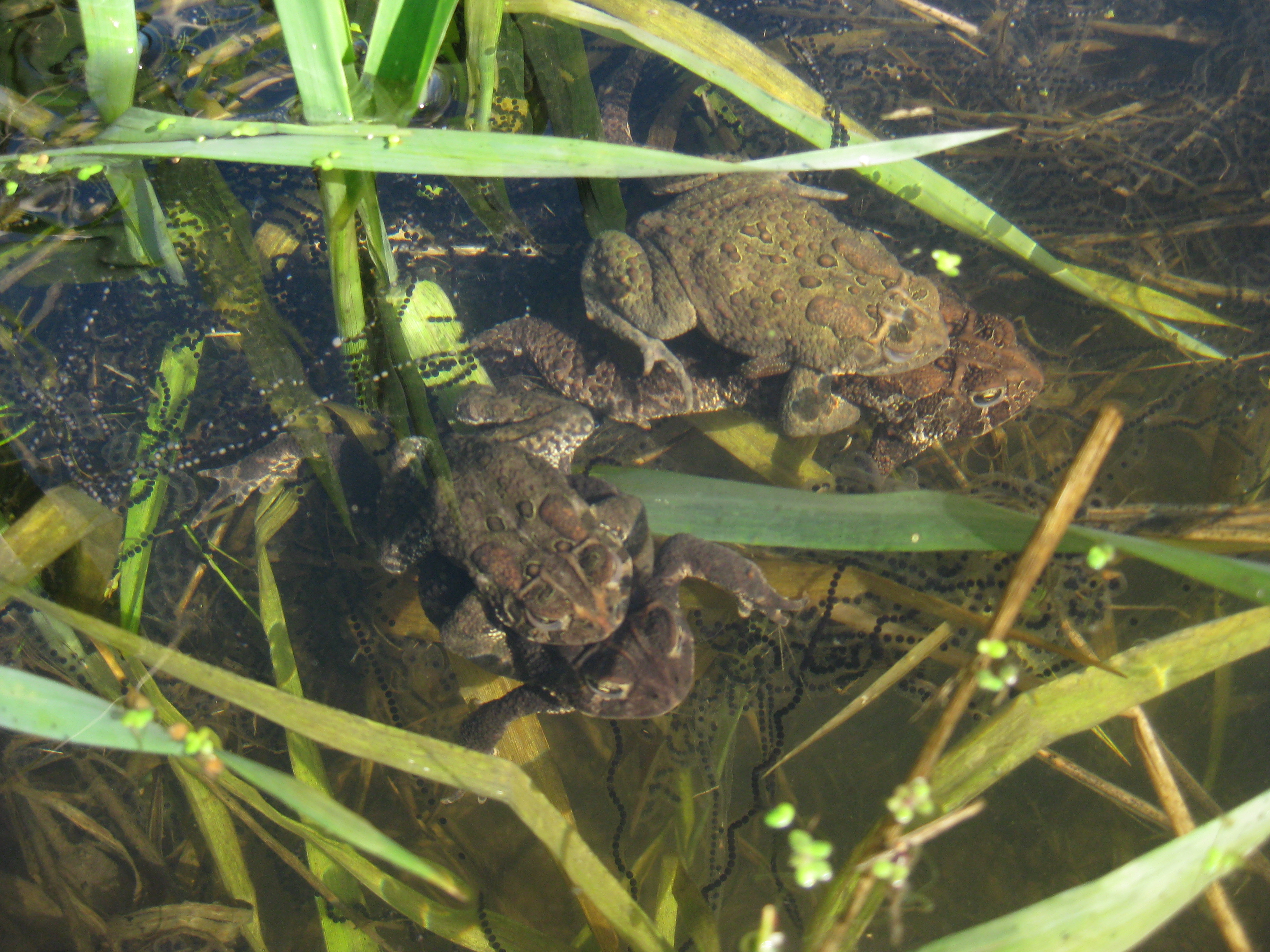
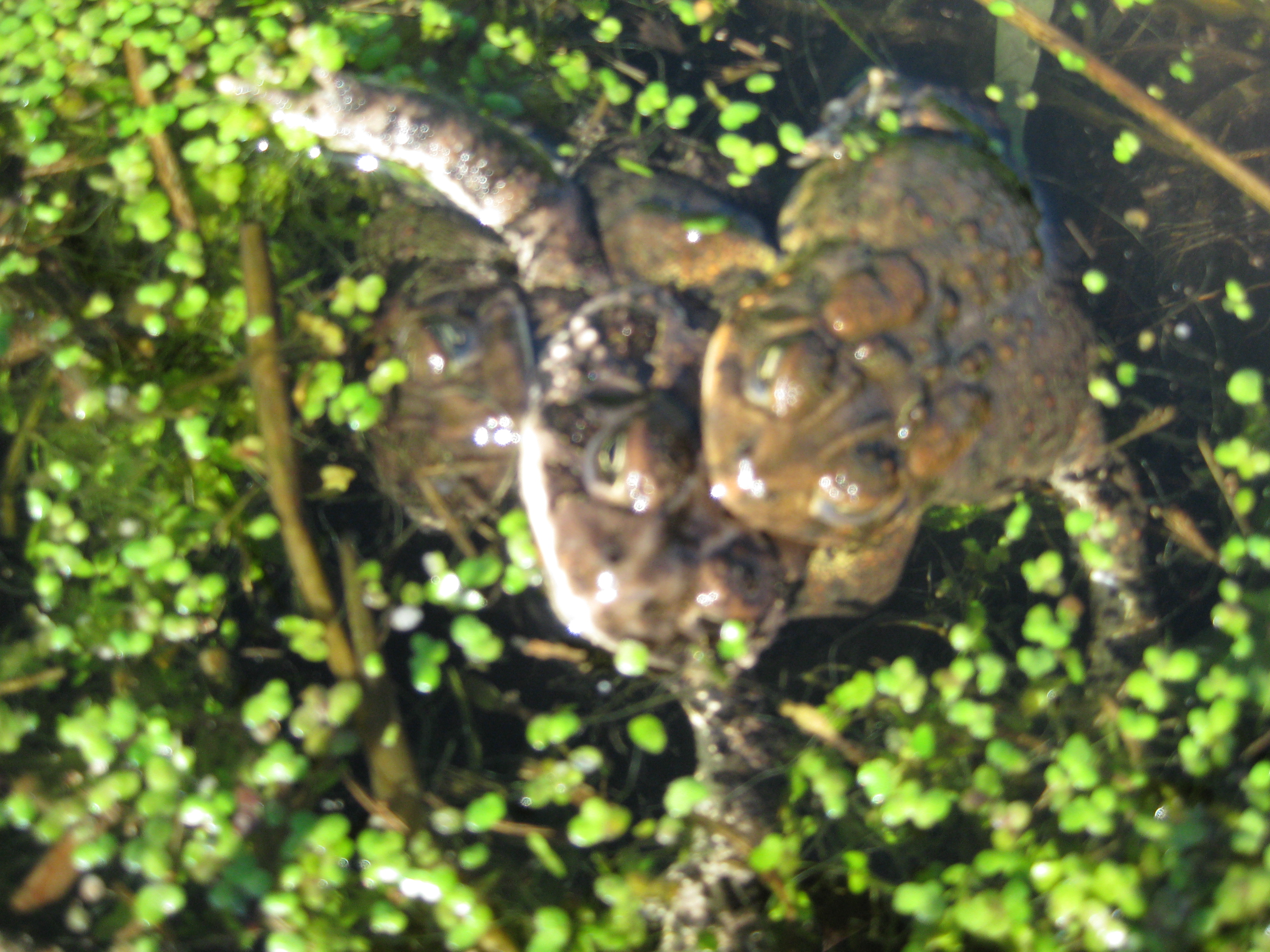
Look at the mating toads surrounded by eggs.  The male is smaller than the female.  Sometimes they have a threesome.

Frogs seem more discrete in their mating behavior.  I have often heard their mating call; but have never seen them coupled.

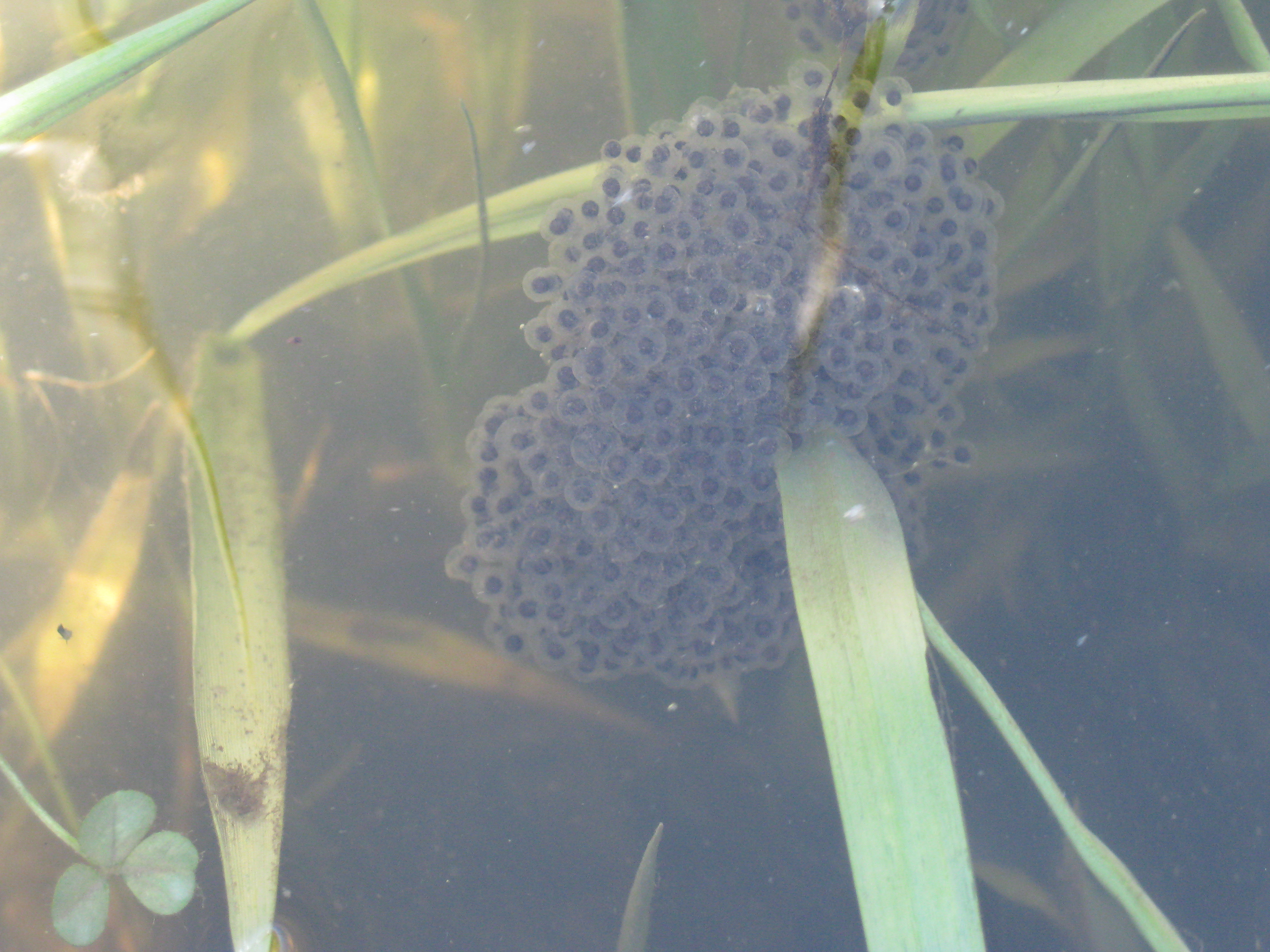
Toad eggs are in long strings.  Frog eggs are in clumps, like grapes.  Look at the frog eggs below.  Don’t frogs just seem more organized?  Is nature organized?

I don’t know which species of frog I should attribute these eggs.  They may be the eggs of the Spring Peeper.  They may also be the eggs of the Bullfrog.

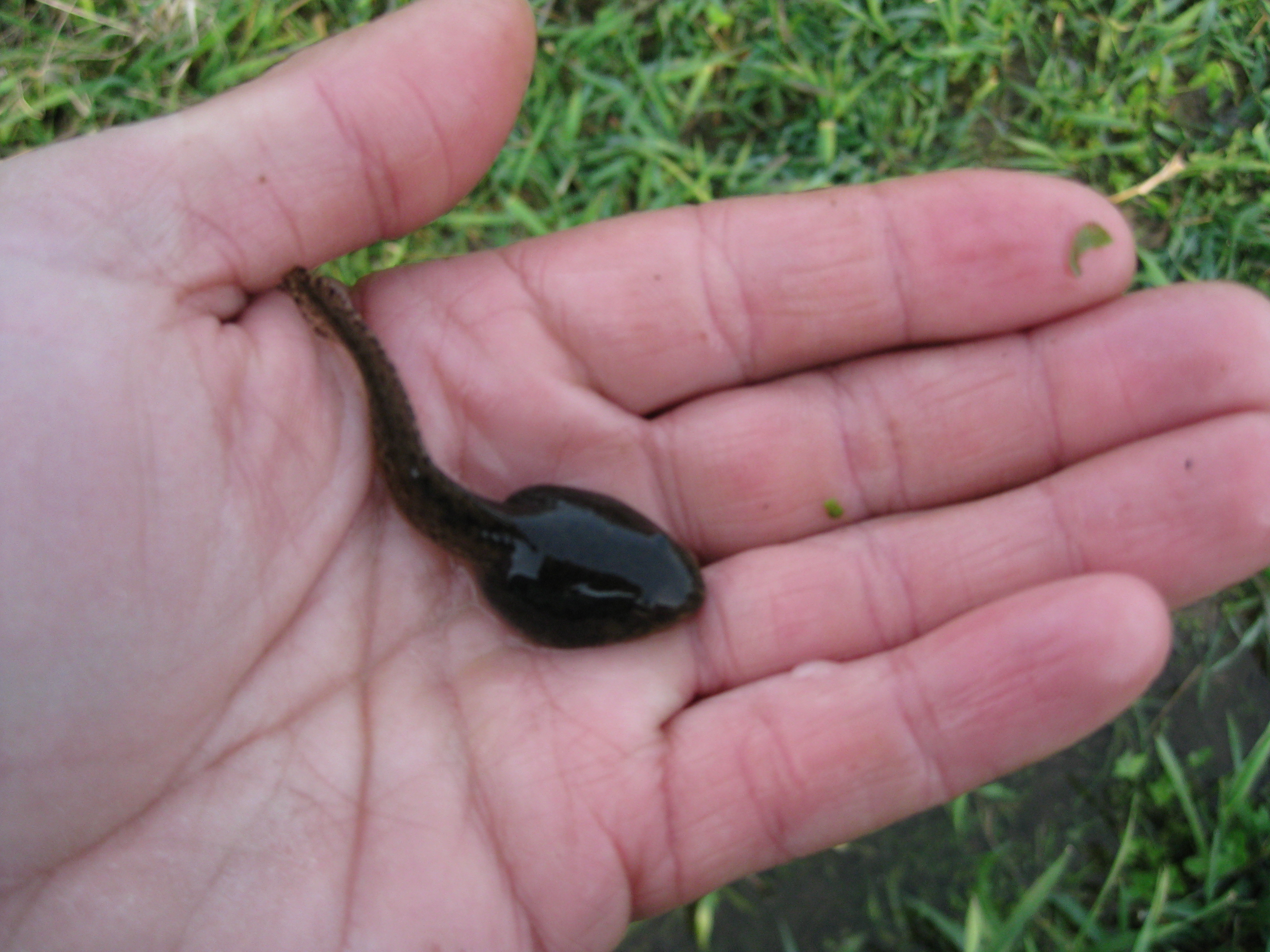
Bullfrog tadpoles are unique.  Instead of working to get out of the water fast, like toads, bullfrog tadpoles spend the first year of their life chillin’ in the water, and change into frogs their second summer.

Below is a bullfrog tadpole I caught along the water’s edge.  Maybe I will post some more photos throughout the summer as their legs lengthen and their tail shortens.  Would you like that?


Camouflage

May 1, 2010

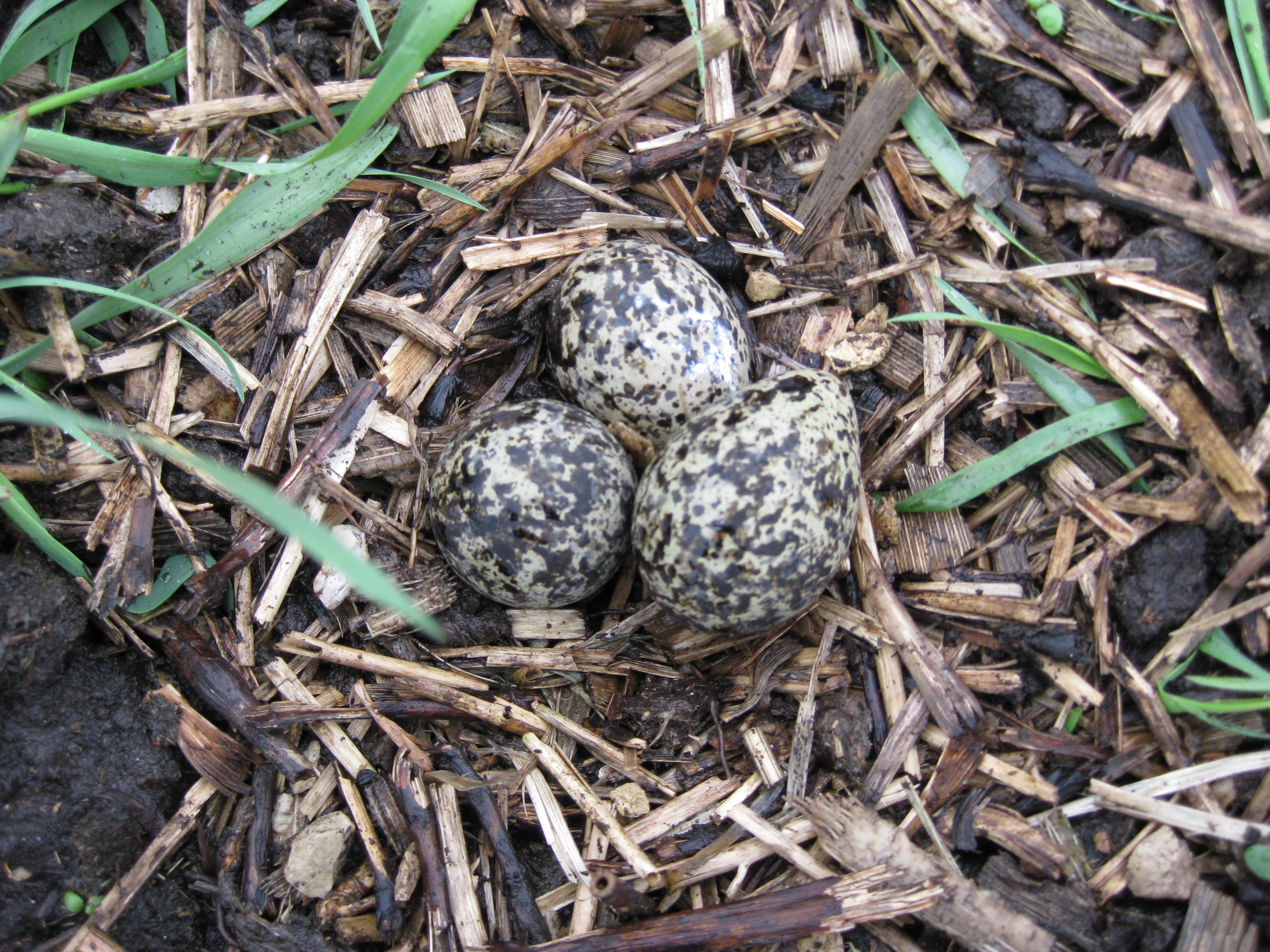
Killdeer nest.  Can you see the nest in the center of the photo below?  I took this picture at eye level, standing a few feet away.

I found the nest because the mother moved off of it as I walked by her.  I stuck a stick in the ground to help me find it again.  Even with the stick, it takes me awhile to find the nest.  The eggs almost seem invisible.

Killdeer parents are tenacious and almost annoying in defense of their young.  They employ a broken-wing strategy in combination with a distress call to lure predators away from the nest or their precocial chicks.  I know this because they do this to me all the time, thinking I’m a predator.

I got to thinking about camouflage.  Killdeer begin life as wallflowers; but need to step out of that role  to raise a family.


Early Spring: Finished Planting Corn

April 27, 2010

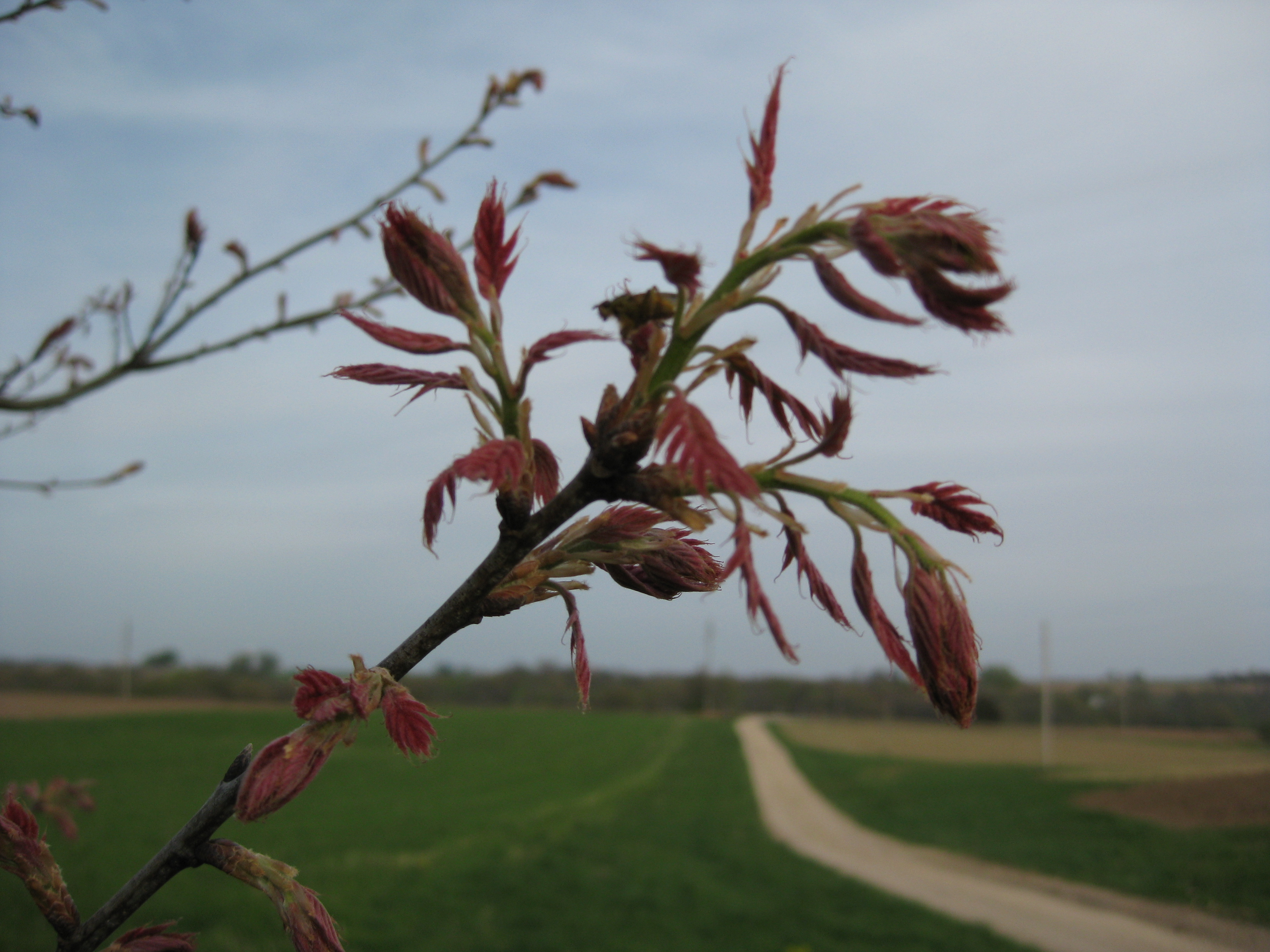
“When the oak leaf is the size of a squirrel’s ear, it’s corn planting time.”  Old farmer saying.

I finished planting corn last week.  April 23rd  is the new record.

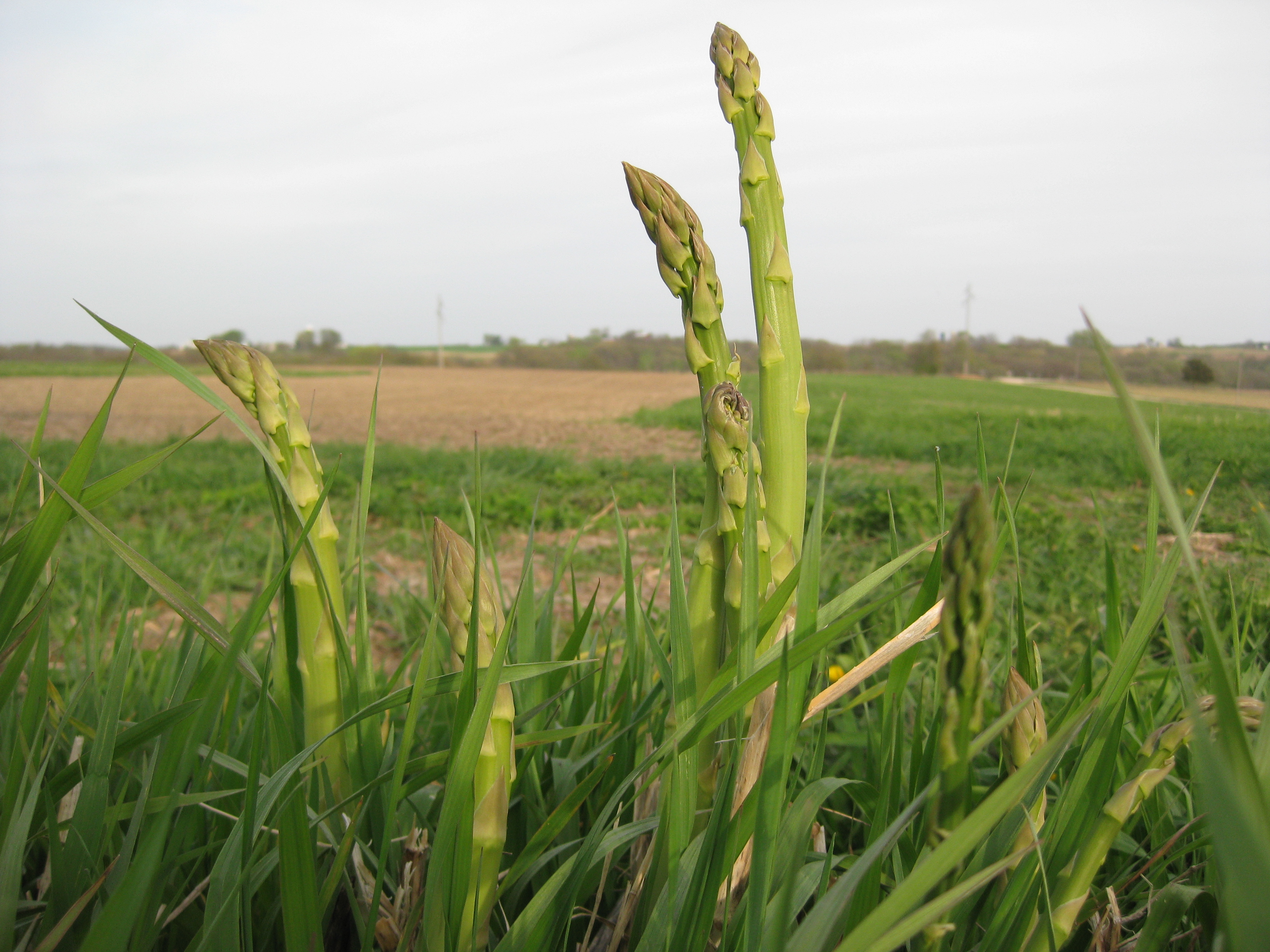
It is an early spring.  Look at the asparagus in the old fence row.


Mothers and Farmers Always Appreciate a Good Poop

April 25, 2010

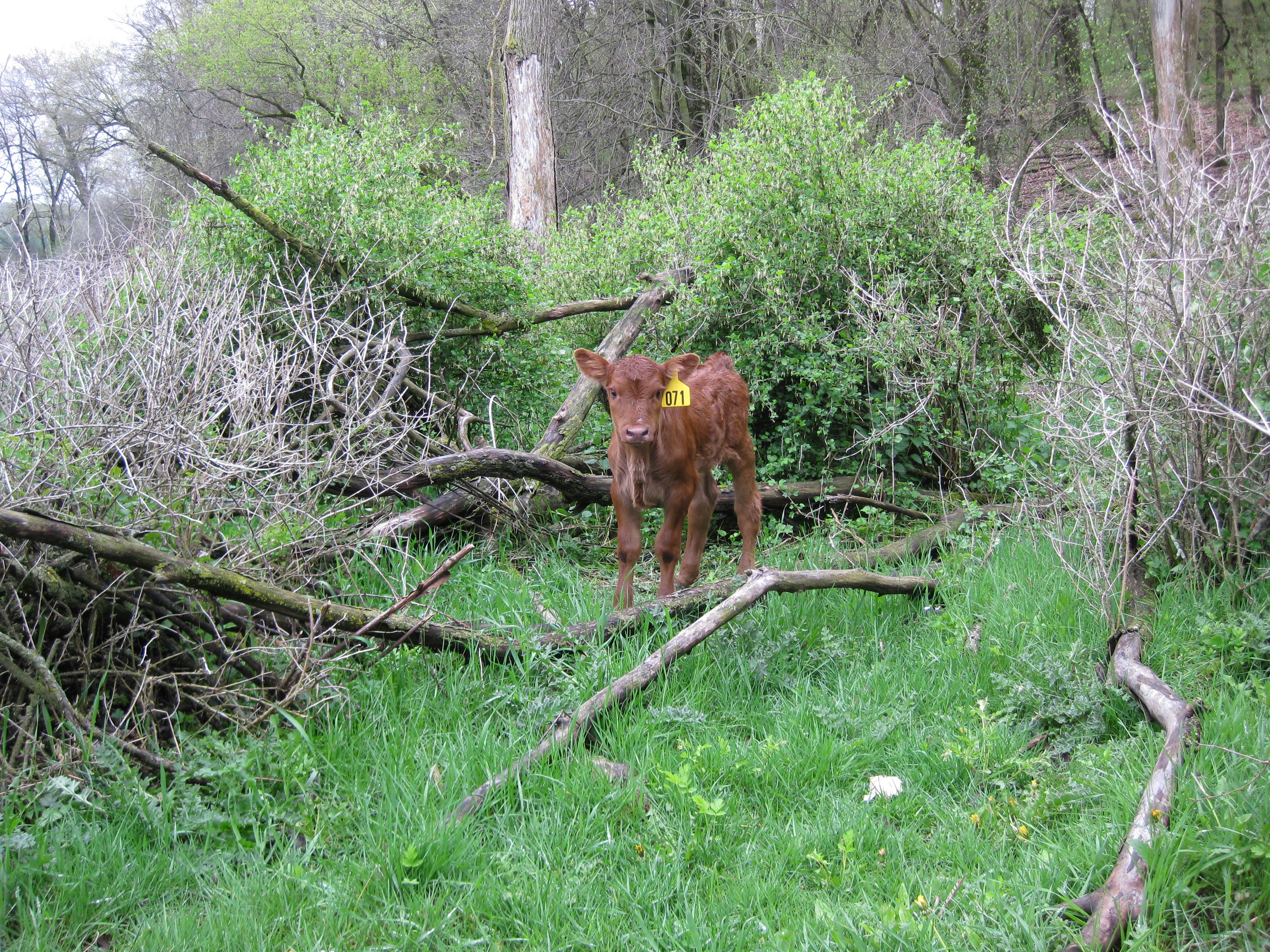
We had a cold, hard rain last night.  249 wasn’t with her calf that was born yesterday.  She was looking in the next pasture.  I drove around in the next pasture.

Sure enough, the little shit had gotten separated and went throught the barb-wire fence in the storm.  He was smart enough to find this cozy spot in the bushes.  I caught him and carried him over to the fence and put him under.

He went right to nursing.  I stuck around long enough to see him take a healthy milk poop.

The insect on the manure is Scathophagidae, or Common Yellow Dung-fly.  I have known this insect my whole life;  but until I researched  this post, I didn’t know its name.