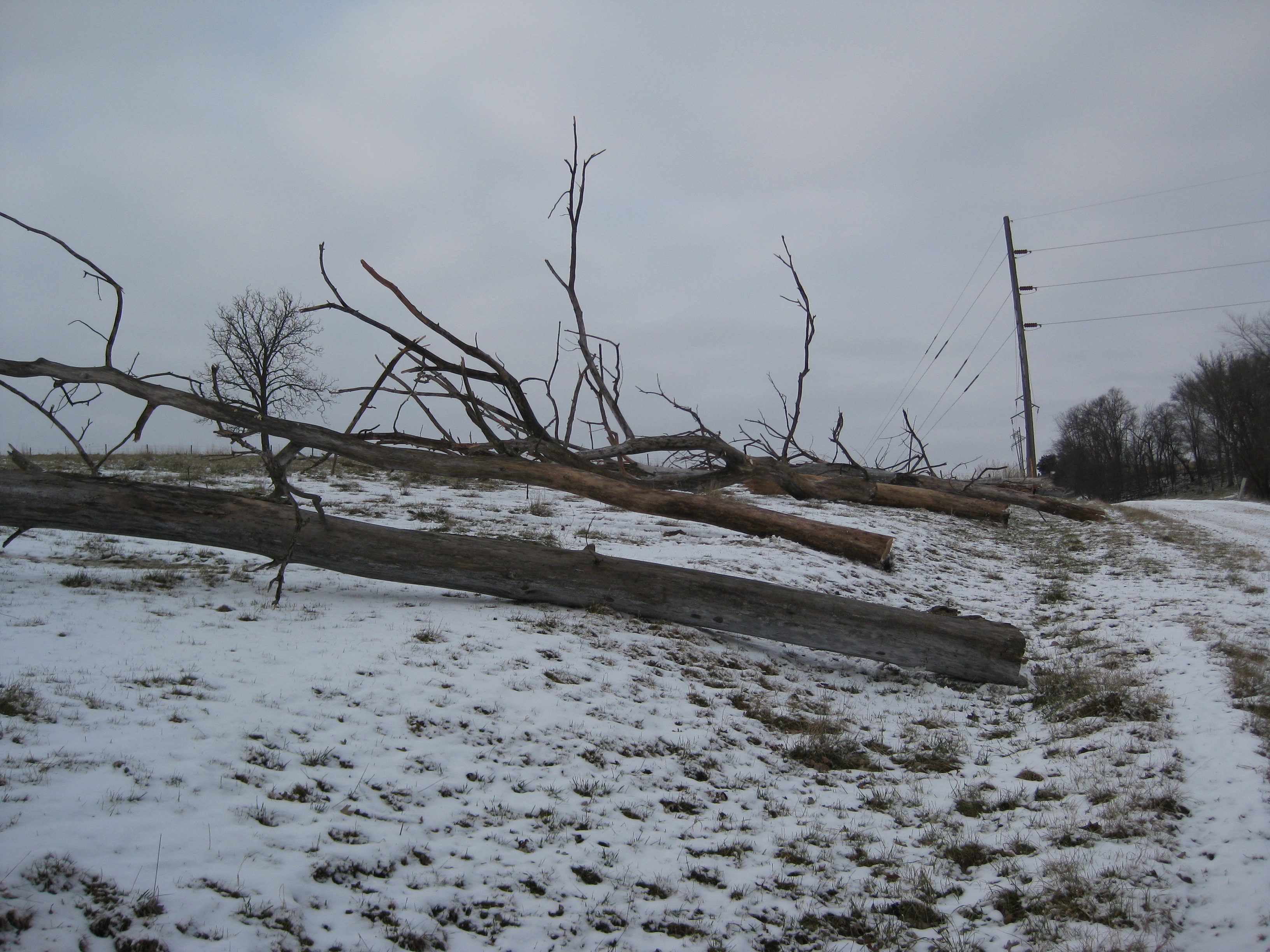
Colors come when spring arrives,
Asparagus seed beneath the snow.
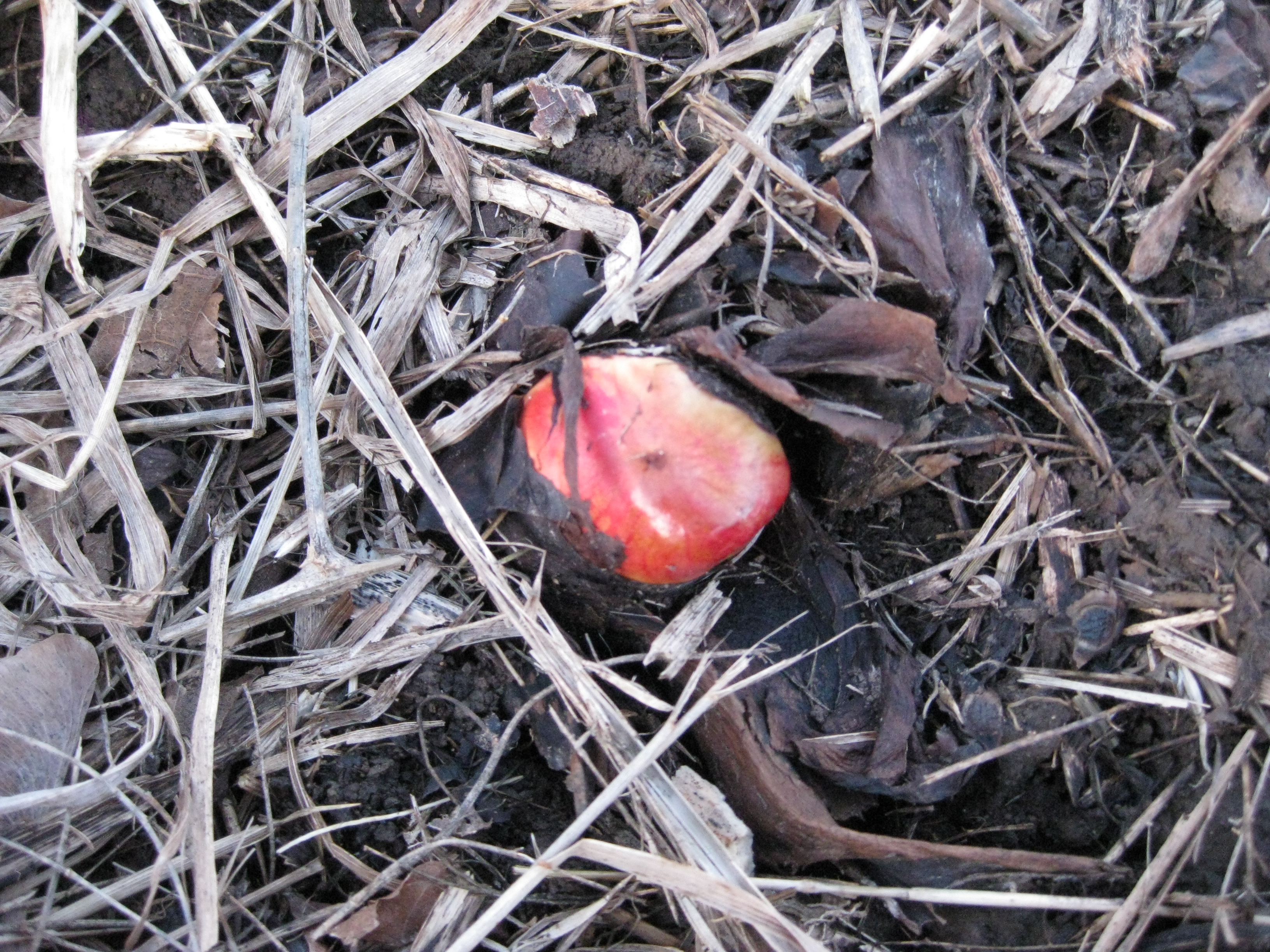
Violent thrust of rhubarb red,
Pushing up from down below.
Compost tea made with 27 things,
Full of promise, friable and loose.
Shall we put the compost on the grass in the spring?
No let’s wait a little longer so it’s not used up.
Shall we disc the compost into April oat fields?
No let’s wait a little longer so it’s not used up.
Shall we plow the compost into May corn fields?
No let’s wait a little longer so it’s not used up.
Let’s stir the compost, let’s examine the tea.
It’s stronger and smaller, but it still smells sweet.
Shall we fertilize fields after hay’s put up?
No let’s wait a little longer so it’s not used up.
Shall we spread on new seeding after straw is made?
No let’s wait a little longer so it’s not used up.
Shall we sprinkle on pastures before an August rain?
No let’s wait a little longer so it’s not used up.
Everything is brown and harvest is complete,
Let’s put it on the fields before the snow is deep.
O farmer, tight farmer, you have waited too long.
The compost shrunk and the compost is gone.
A turkey flew up out of the tall hay field right beside my tractor.
I stopped the tractor and haybine and looked at the clutch of turkey eggs I had run over.
Most of the eggs were broken and I could see half-developed chicks inside the broken shells.
I looked at the freshly mown hay and realized this was just the first of many trips across this field. We had to rake, bale, and haul in the round bales of hay. And if the eggs were not run over by then, there was still no way a turkey would come back and sit on a nest that was out in the open.
I opened the tool box on the tractor and spread out the grease rag. I found three eggs that weren’t cracked and swaddled them in the rag and went back to mowing hay.
I had a Dark Cornish hen that was broody. I placed the three eggs carefully under the hen and she pecked my arm, but didn’t leave the nesting box.
I checked the eggs every day. Most of the time I had to reach under the hen to check.
One morning I heard a peep and spied a little head poking out from under the hen.
I knew the poult would need time to dry off its feathers so I left it under the hen and waited until afternoon to check again.
This time I moved the hen and found one strong poult, one dead poult, and one egg. The egg felt empty so I cracked open the hard shell. It was rotten.
I carried the hen and the poult over to my brooder house so they wouldn’t be bothered by the other chickens. I set up a feeder and water for the hen and poult.
The hen covered the poult with her feathers. I tried to catch the poult to make sure it knew where the water was and the hen ruffed up her feathers and attacked me.
I kept the hen and poult in the brooder house for the next four weeks. They were doing fine. I decided it was time to let them out and see what they would do.
The hen moved out into the yard and clucked to her poult to follow. After meandering through the yard eating grass and bugs, the hen took her poult into the chicken barn. The hen kept other chickens away from her poult.
When I went to shut the door to the chicken barn at dusk, I was surprised to see the hen and poult roosting on the old dairy stanchion four feet above the ground. That little poult could fly and wanted to continue sleeping under the hen for warmth and comfort.
As summer turned into fall, the poult grew into the turkey it was meant to be. Instead of sleeping under the hen, it would sleep beside the hen and put its head and neck under the hen’s feathers.
It was larger now than any of the other chickens. But if the chickens noticed, I couldn’t tell.
Once the snow came, I kept the chickens locked in the barn for the winter. I could tell the turkey was from wild stock because it was more skittish than the chickens.
When the snow melted, I started letting them back outside in the daytime. The turkey really started to come into her own and express the urges she had felt all winter.
She ran fast. She flew up into the tree limbs. She even flew to the top of the barn.
She started to range farther in the field than the chickens. And one night she didn’t come back to the barn at all. The next morning she was outside the barn waiting to rejoin the flock.
But a week or so later she was gone again and this time for 36 hours. She continued to repeat this pattern until her absences grew longer and she never came back at all.
But I thought I spied her with the wild turkey flock throughout that summer and fall. She had found her kind.
Psalm 39: 4-5
“Show me, O Lord, my life’s end and the number of my days; let me know how fleeting is my life.
You have made my days a mere handbreadth; the span of my years is as nothing before you. Each man’s life is but a breath.”
How many days do I have? Can I find wonder in each day?
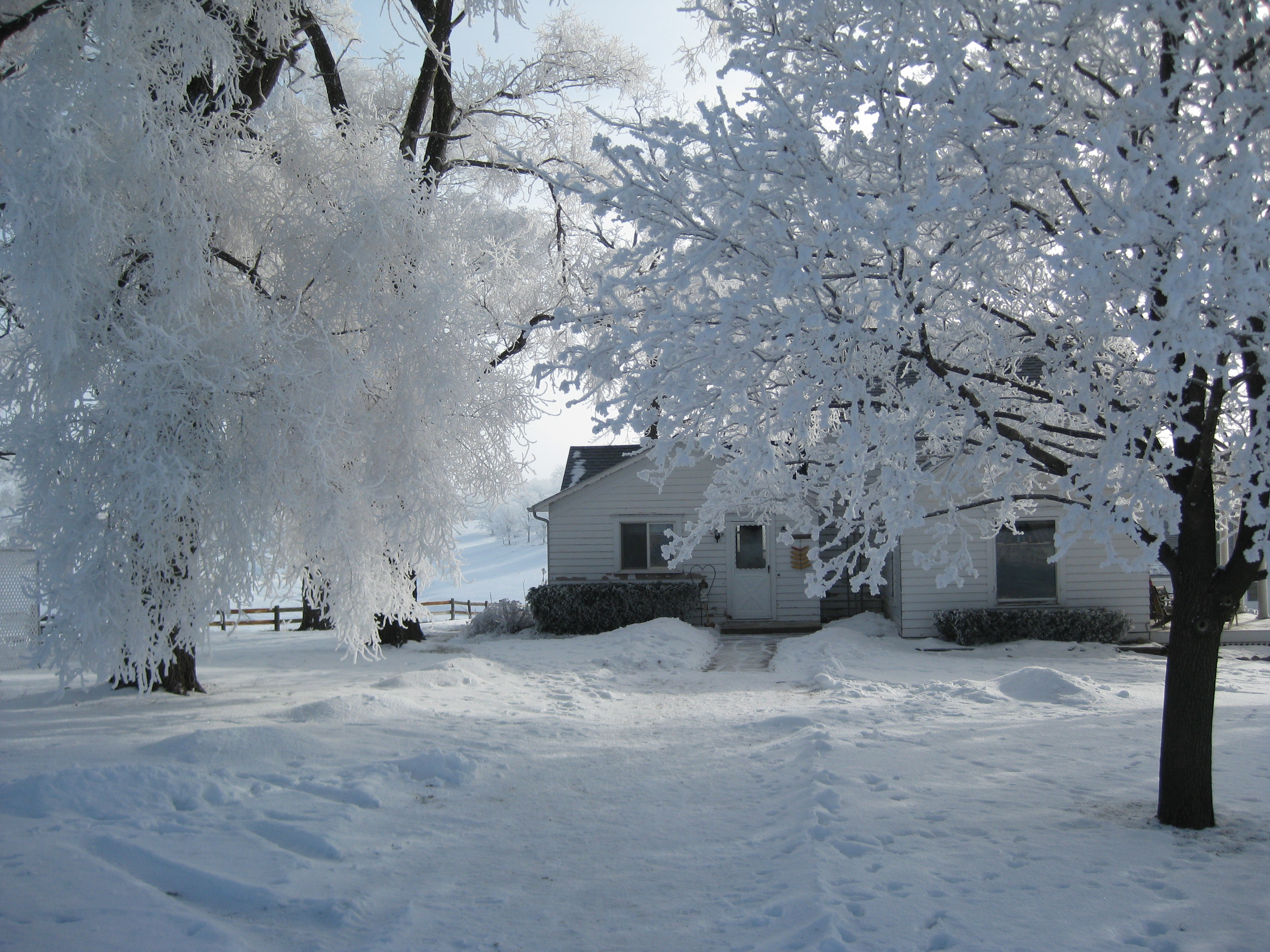
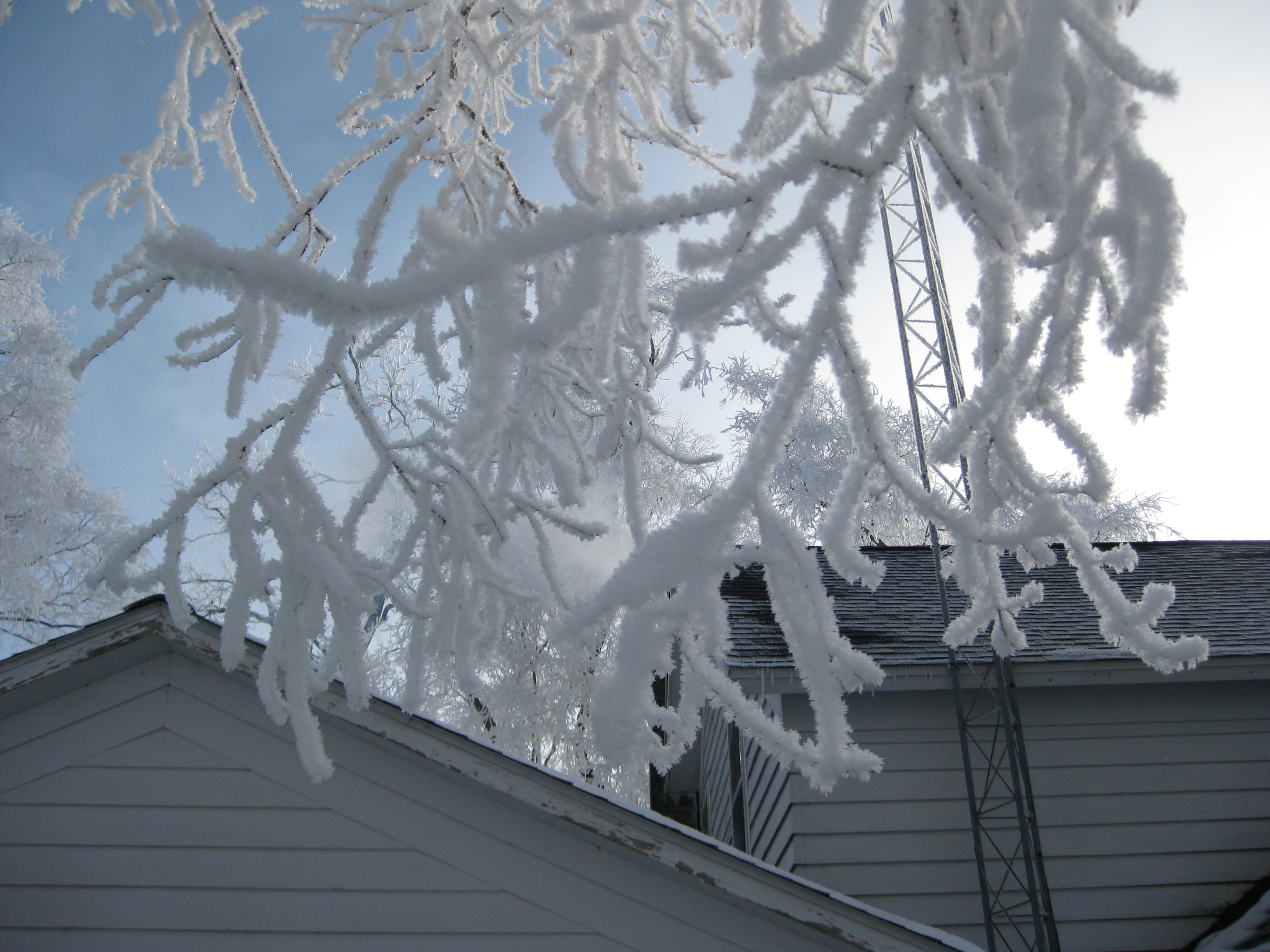
It’s easy to find wonder in a day like the one pictured. A dense fog on a subfreezing night led to the ice crystal buildup called rime.
“It’s so pretty!” everyone said.
My “Flexible Flyer” sled.
I love sledding. I love sharing sledding with people, mostly kids. It’s difficult to sell adults on sledding when they have been out of practice.
I think I’m old enough to know I’m not going to outgrow sledding. And here’s why.
Sledding is not about the “whe-e-e-e!!!” part of going down the hill. Sledding is about walking up the hill. And I like walking up the hill.
People who don’t like walking up the hill, don’t like sledding.
Life is a lot like sledding. A long, uphill walk, interspersed with exhilarating moments of “whe-e-e-e!!!”
I hope you enjoy the walk.
I ran the 2004 Chicago marathon. My training was less than recommended and I had only worked up to a long run of 15 miles, so the last 11 miles were a challenge. But I finished, and in the top half, so I was happy.
In 2005 I went back to watch the race and cheer on my cousin. Watching the race unfold helped me formulate a theory why the Kenyans dominate all the big marathons.
October 9, 2005. Chicago marathon, 13.1 mile mark, halfway.
We stood in the 2nd level of a parking ramp across the street from the Sears tower. We waited to see the lead runners.
As the mob of people along the race course thickened, anticipation grew. It was an early morning-party atmosphere. My kind of party.
Suddenly, a cheer! Whistles, bells, shouts, “Here they come!”
“They” came rolling by. The lead wheelchair racers finish in about an hour and a half. They also get a head start. So we waited some more and cheered on the slower wheelchair racers.
The lead pack of runners went by so quickly, I barely had time to study them. There were ten in the pack. They looked very comfortable running together, even at a speed of over twelve miles per hour.
I thought I saw two-time defending champion Evans Rutto in the middle of the pack. I assumed the pack was all Kenyans. I was right.
Fifty yards behind the lead pack a solitary runner struggled. A few more yards back, another runner, then another, then two, then three. They all seemed to be struggling to maintain the pace they had run in the first half of the race. None of them looked like they could mount a challenge to the Kenyans. I was right.
The runners behind the Kenyans seemed to be so alone. Even if a few runners were grouped together, I could tell they were running alone.
In contrast, the Kenyans seemed to be running as one unit with interchangeable parts. And in a sense they were. And I think the Kenyans, with great humility, realize that.
The Kenyans finished 1st through 10th, with only 5 minutes between them. Evans Rutto, the two-time defending champion, finished 4th, 26 seconds behind his countryman, Felix Limo.
How humble is Rutto to win Chicago twice, and then finish a few seconds behind his fellow countryman? Is it coincidence the Kenyans train and race as a group and dominate the way they do?
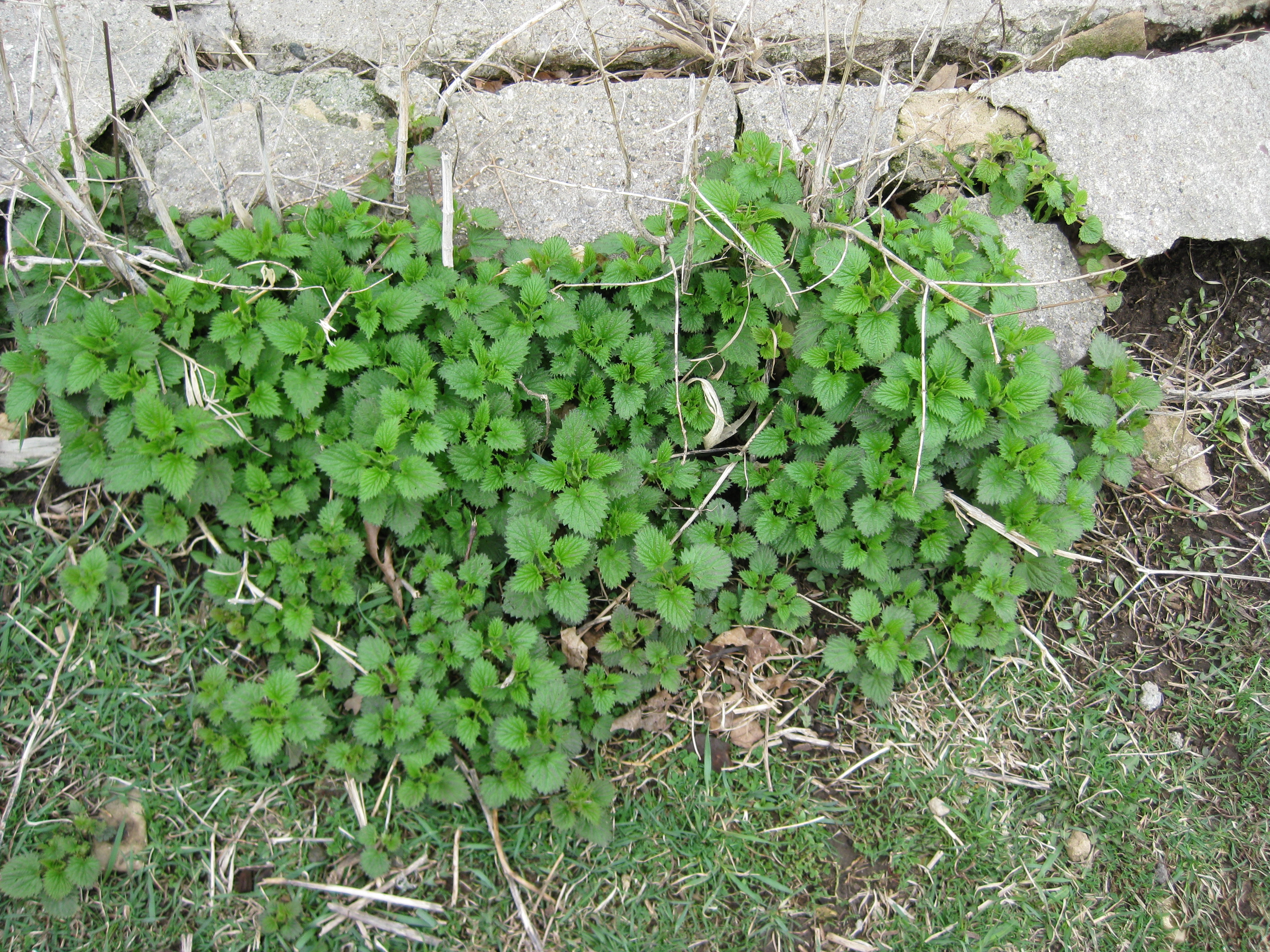
Stinging Nettle, a delicious, wild edible, WHEN COOKED, profiled in “The Forager’s Harvest”, Sam Thayer’s first book on wild food foraging.
I’m excited! I just received a mailing from Sam Thayer announcing the printing of his new book, “Nature’s Garden.” This book is the second in his series on wild edibles.
Sam is the leader on wild food foraging for our generation. I met him a couple of years ago when I attended one of his weekend seminars. This guy lives what he preaches.
One of my goals for 2010 is to make foraging a bigger part of my life. I need to figure out a way to phrase this goal. I recently found Leo Babauta’s blogs and plan on using his techniques for accomplishing change.
Our monument to winter, before and after the blizzard of December 8-9 2009. Why do I live here?
When my parents moved to their current farm in March of 1975, there was only a huge wood furnace in the basement which heated the house. The winter had been so bad the previous farmer was unable to cut wood and had to buy coal to burn in the furnace. Yes, in 1975 coal could be purchased.
The smoke and dust from the coal left a black soot on the walls of the house. I wonder how many brain cells were lost by my sisters and I as we breathed in the soot.
My parents put in a furnace that burned propane that summer. But they also burned wood that next winter because it was available and affordable on the farm. They fell in love with the warm heat generated by wood and have burned it every winter since.
So Monday found my Dad, Uncle, and I pulling dead trees out of the forest to be cut up later as we need the wood or find time. We always say we are going to cut all our wood for the winter in November. But we never seem to get around to it, and frankly, harvest and taking care of the animals takes priority.
Two days later you can see why autumn is a hurried time as harvest is over and survival mode is in effect. I’ve been gorging on carbs like a black bear getting ready to hibernate. Somebody send me a ticket to someplace warm.

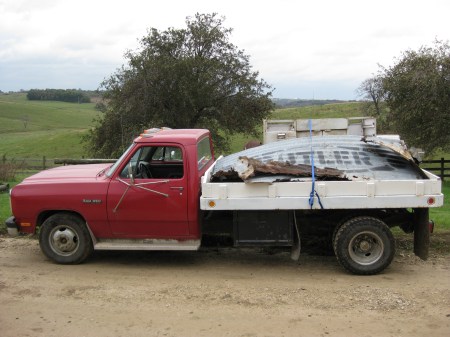
Loaded for a junk run to 1st Capitol Salvage in Belmont.
As we accumulate trash on the farm, we sort. Recyclables, trash, and metal. We take the recyclables and trash to our township pickup point in Calamine, open two days a week. This is a service paid for by our property taxes.
The metal is thrown into an old wagon and when the wagon is full we make a junk run. This happens a few time per year. The fun part about this is that scrap metal is actually worth something. So as we get rid of what we consider trash, we have a payday.
1st Capitol Salvage was paying $100 per ton, yesterday. I don’t know if this is a good or bad price. I do know that a few years ago there was a huge demand for scrap metal and prices were at least double. I saw junk moving out of fields and fencelines that hadn’t moved in my lifetime. People made part-time jobs out of cleaning up other people’s junk.
We never let our farm get to the point where a junk-man would salivate. It’s a constant struggle to keep a farm looking decent. I’m glad we have a system in place to help us.
Our small load only weighed 580 lbs. We drove away with a check for $29 dollars. Another successful junk run!

I picked 3 dozen ears of sweet corn to give to friends. Two friends were home and gladly accepted the gift. I drove around town wondering what to do with the remaining dozen.
A temporary taco stand was set up in the park by main street.
“Maybe they would be up for a trade,” I thought as I parked my car.
“How many tacos you want?” a woman asked me.
“Uuuuh,” I said and walked over to where a man was cooking meat on a large, flat grill.
“How many tacos you want?” he asked me.
“What kind of meat?” I asked him.
“Pork.”
“Oh. Do you like corn?”
I realized I was acting quite weird.
“Sweet corn. I’m a farmer. I have a dozen ears in my car. Would you like to trade?”
The cook looked confused and uncomfortable. The woman sidled over to help translate.
“I’ll show you,” I said, and walked back to my car.
I set the bag of sweet corn on a cooler. When the cook stopped turning the meat, I took out an ear and pulled the husk back to show the plump, yellow and white kernels.
The cook said something excitedly in Spanish to the woman.
“How much?” he asked.
“It’s worth 4 dollars a dozen,” I said.
“4 tacos are 6 dollars,” he said.
I wasn’t sure what he was driving at.
“Ok, how about 3 tacos?” I countered.
He nodded and went back to cooking.
My friend from Honduras tells me most of the Hispanic immigrants in Lafayette county are from small towns and rural areas of Mexico. They came to the US for work, of course. But they enjoy the bucolic atmosphere of Lafayette county.
They began wrapping up the tacos and the woman said, “He’s giving you four.”
We country folk sure know how to drive a hard bargain.