First Day of Spring, Rye Cover Crop, Egg Balancing,

March 20, 2014

DSCF1626

It seems like a long time since the last photo of the rye cover crop in November.  You know it’s been a long winter if you feel like a different person come spring.

Spring always has an effect on me.  Along with being outside more, I’m reading and writing more, and sleeping less.  It’s a funny thing, I always think I’ll get more reading and writing done in the winter, but it appears I enter a state of semi-hibernation, only to emerge revitalized in the spring.

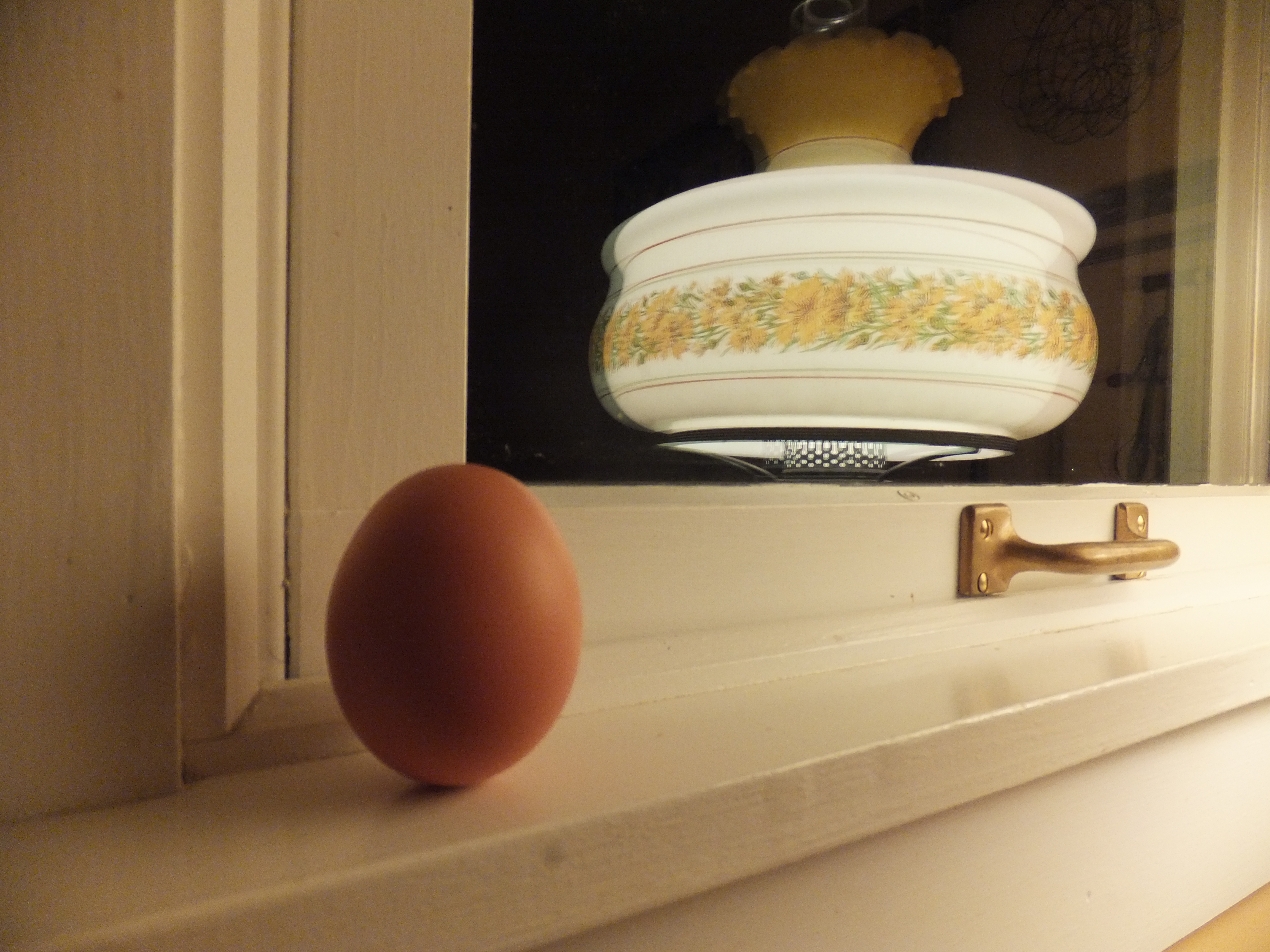
The bottom photo shows a tradition in my family of balancing an egg during the spring and fall equinox.  Egg balancing research says that this is a myth and eggs can be balanced any time of year.

We’ve tried it various times, and it’s so easy now, yet so difficult at other times, I find it difficult to believe science.  Experts speculate my delusion fuels my success, and I’m open-minded enough to admit they may be right, but I’d rather be a successful delusional than a know-it-all failure.  Cheers!

DSCF1632


2014 Winter/Spring Farrowing Update

March 11, 2014

DSCF1576

It was much colder than average for this time of year which made it difficult.  One morning was eleven degrees below zero F.  One snowstorm of several inches occurred.

I only opened the huts to let the sows go out to drink, eat, and urinate/defecate.  Keeping the huts closed help to keep some of the sows body heat in the hut.  Having the huts in the hoop barn kept the moisture from the snow from being a factor.  I used about one bag of wood shavings for each hut and gave a fresh slice of straw daily.  This was on top of a base of wood chips from Menard’s.

The sows all farrowed within a week of each other.  They averaged over 11 piglets born alive.  Now, about ten days later they have an average of 8 piglets nursing, so there was a good deal of loss.  When conditions are this difficult, it seems that piglet vitality plays a large part in survival as well as the mothering ability of the sow.

DSCF1578

As the temperature warmed into the 30s F, I left the doors open and put the rollers on to keep the piglets in but allow the sows to come and go as they please.  The piglets only stayed in for a few more days before they began to jump out.  So I’ve removed all the rollers now and the piglets are able to explore.

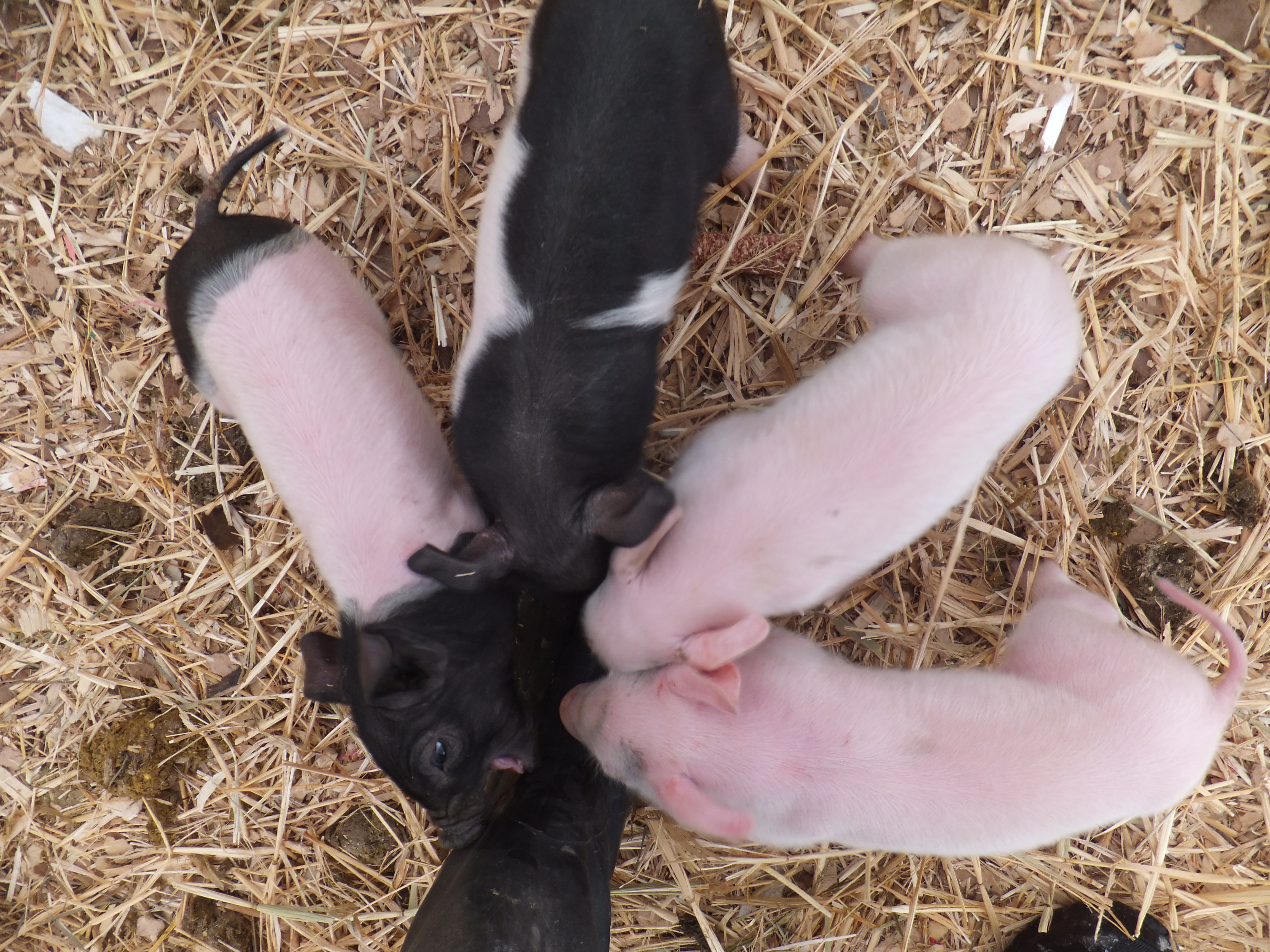
The piglets in these photos are only a week old.  It’s amazing how precocious they are.  Look at the open mouth on the black and white piglet below, trying to decide if my boot is worth eating.

DSCF1583


Outdoor Wood Burner/Wood Pig

March 3, 2014

DSCF1534

It’s been a long winter.  As I write this on March 3rd, it’s 11 degrees below zero F.  I’m tired.

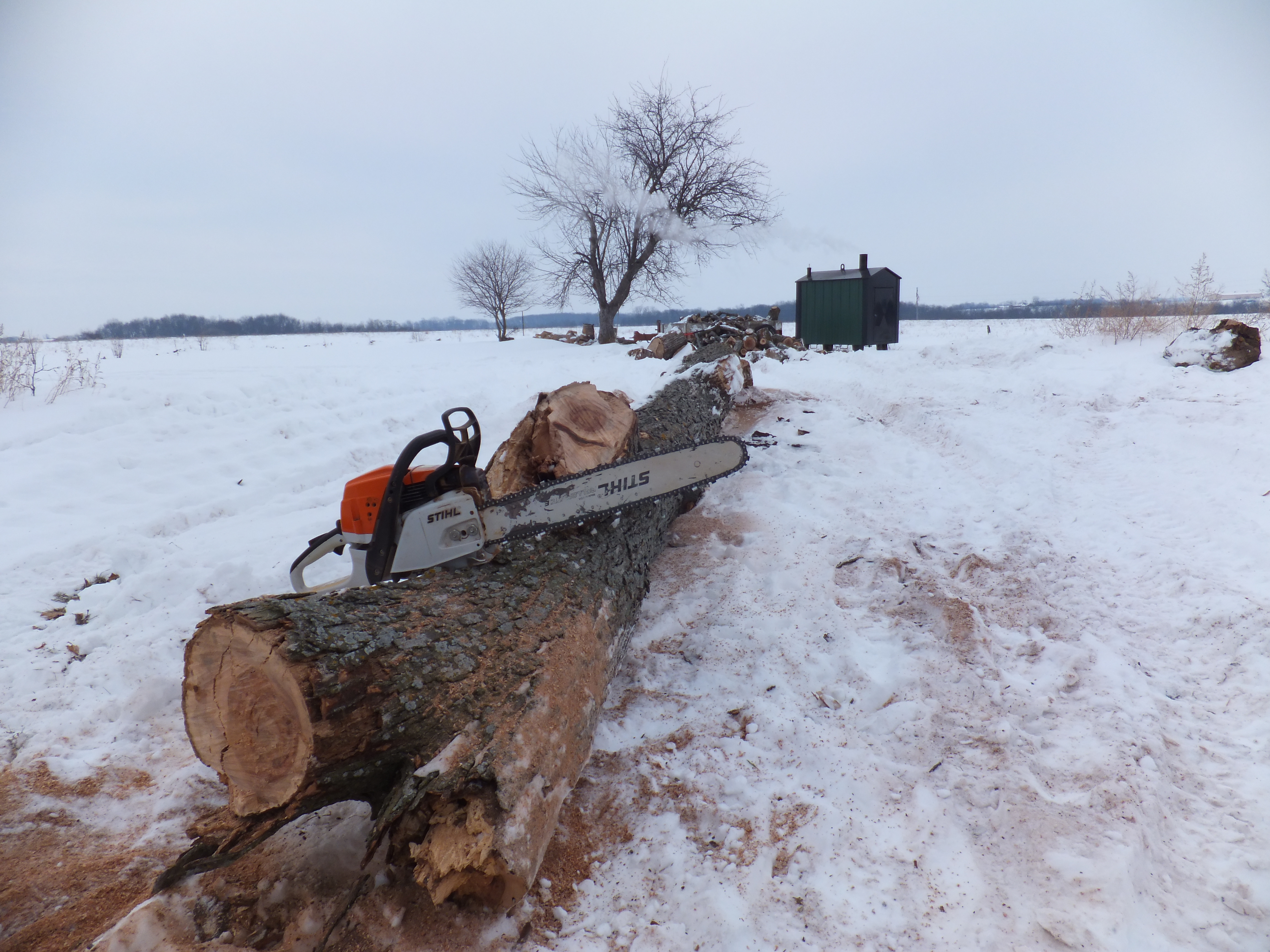
I’m back to hand-to-mouth wood cutting.  Everyone who burns wood says they’ve burnt way more than normal.  I need a bigger pile next year though, because the crusted snow in the woods makes it nearly impossible to drag in logs.

DSCF1556

In a bit of serendipity, I met an old schoolmate who burns wood also.  I told him I had an outdoor wood burner.

“Oh, you’ve got one of those wood pigs, too!”

“What’s that?” I said.

“It really goes through the wood, doesn’t it?”

He’s right.  I’ve finally realized that an outdoor wood burner is not a very efficient way to heat a house.  However, it is a safe way to heat a house and I’m stuck with it for now.

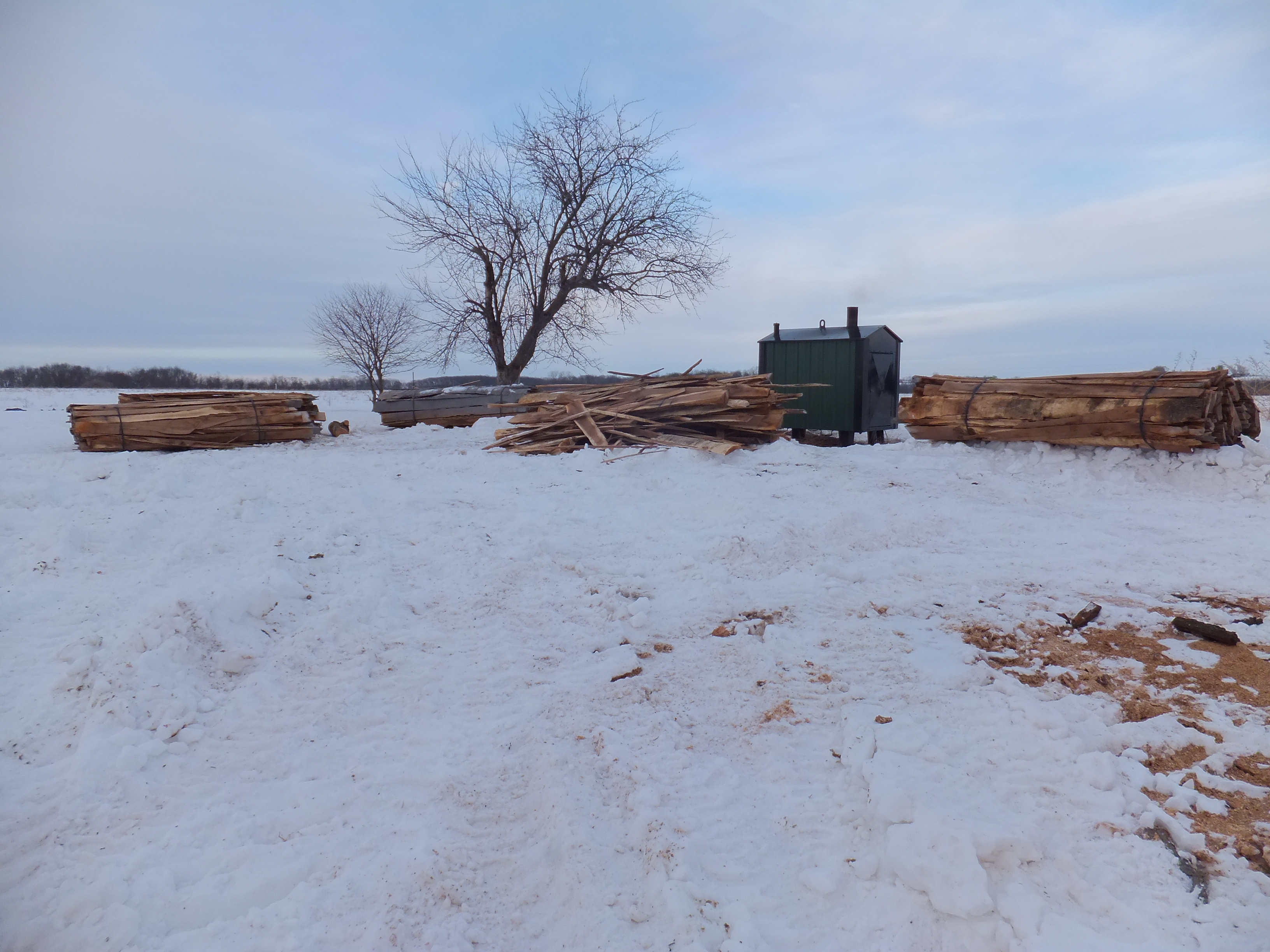
He told me about a lumber yard that sells scrap lumber for twenty bucks a bundle.  They’re good-sized, eight to ten feet long, dry wood.  He burns it in his burner.

Not being a fast thinker, I had to let the idea germinate for a few days.  I think I gave myself permission to buy wood when I nearly got the tractor stuck for the umpteenth time.

I called him up and asked him to bring me a load and he delivered eight bundles.  If I’m not reading the calendar wrong, that should be enough wood to get me to the point where it’s hot enough I’m forgetting how cold it’s been!

DSCF1561


Winter/Spring Farrowing 2014

February 21, 2014

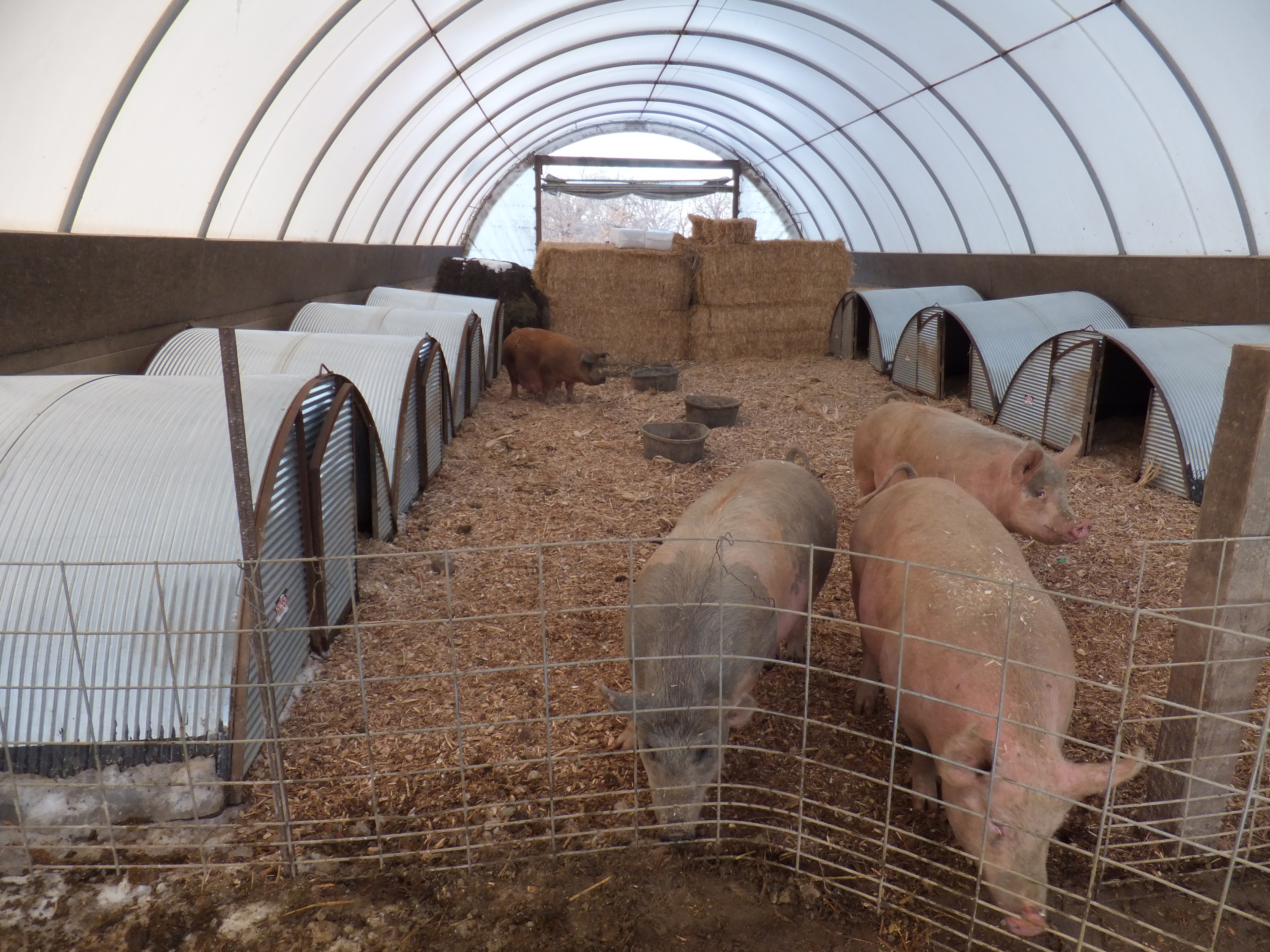
Farrowing Huts in Hoop Barn

This is my newest farrowing setup.  Last winter/spring when I had all that trouble in March with snow and cold, I decided I would try putting the farrowing huts inside a hoop barn.  You can see by the ice on the bottom of the closest hut that it’s still cold in there, but I shouldn’t have as much of a  moisture problem as I did outside in the snow and cold.

Since I stopped farrowing in my parents’ heated barn in 2011, I’ve tried four different ways of farrowing:

The warm, dry months of July, August , and September are ideal for farrowing outside.  I’m convinced that if sows had plenty of space and material to build their own nests, no predator problems, and feed and water, a farmer could do absolutely nothing and would average over 8 piglets weaned per litter during this perfect time.

Farrowing in huts on frozen ground with snow and ice surrounding is what I tried last winter/spring.  I managed to wean 7 piglets per litter,  but it took tons of bedding and manual work and was stressful.

Farrowing in huts in the warmer months is easier than when it’s cold.  I probably sleep the best with this method as I know if a sow and her litter is in a hut with a roller on the door to keep the piglets in, they are safe from predators and the elements.

Finally, farrowing in a hoop barn with homemade pens is the first method I tried in January of 2012.  This worked surprisingly well except for a couple of litters born when the temperature dipped to zero F.  I made temporary pens out of wire hog panels, giving the sows plenty of space, removing the panels when the piglets were a couple of weeks old.  It was quite a bit of work, letting the sows out of their pens for feed and water twice a day, but it was a nice environment for the pigs and the farmer.

So putting huts inside a hoop barn is my fifth iteration.  I plan to use this system only until mid-spring, then I will go to huts outside.  As always, I plan to keep statistics and share the results by the end of the year.


Skin Cancer, Sunscreen Controversy

February 19, 2014

DSCF1550

My better half thought I had some spots a dermatologist should check out.  The Dr. found what he called a pre-cancerous spot on my cheek and froze it with liquid nitrogen.  I’m not sure it was necessary, but he’s the expert.  He also scooped out a spot on my scalp.  I feel like I’m going to pieces.

I did learn something important.  I used to wear SPF 8 suntan lotion, figuring that would be 8 times better than nothing.  However, the Dr. told me that low SPF suntan lotion only protects us from the UVA rays, letting the UVB rays through.  It’s the UVB rays which cause skin cancer, so by putting on lotion which kept me from burning, I actually may have spent more time in the sun letting the UVB rays do their damage.

Update:  I went online and am now thoroughly confused.  It appears my understanding of UVA and UVB is reversed.  It’s unlikely the Dr. gave me incorrect information.  What’s more likely is I had a difficult time listening while being scalped and froze.  I’ve always heard someone besides the patient needs to be there to listen.  It is very difficult for the patient to listen.

There seems to be some debate about all sunscreen.  Some of the ingredients may be carcinogenic and in this sunscreen photo it appears that more ultraviolet light is absorbed by the skin when sunscreen is used.  I don’t know what to think.  Readers, weigh in with your comments.

Looking at the photo above, I see my skin has aged.  I don’t feel terribly old, approaching 45 years, but I realize I’ve probably spent many more hours in the summer sun than almost anyone reading this.  I plan on continuing to wear long-sleeves and pants and a broad-brimmed hat which I’ve been doing for the past fifteen years.  I’ll probably put SPF 30 sunscreen on my face when I’m doing tractor-work, sitting in the summer sun.


Dickies Insulated Bib Overall, Review

February 1, 2014

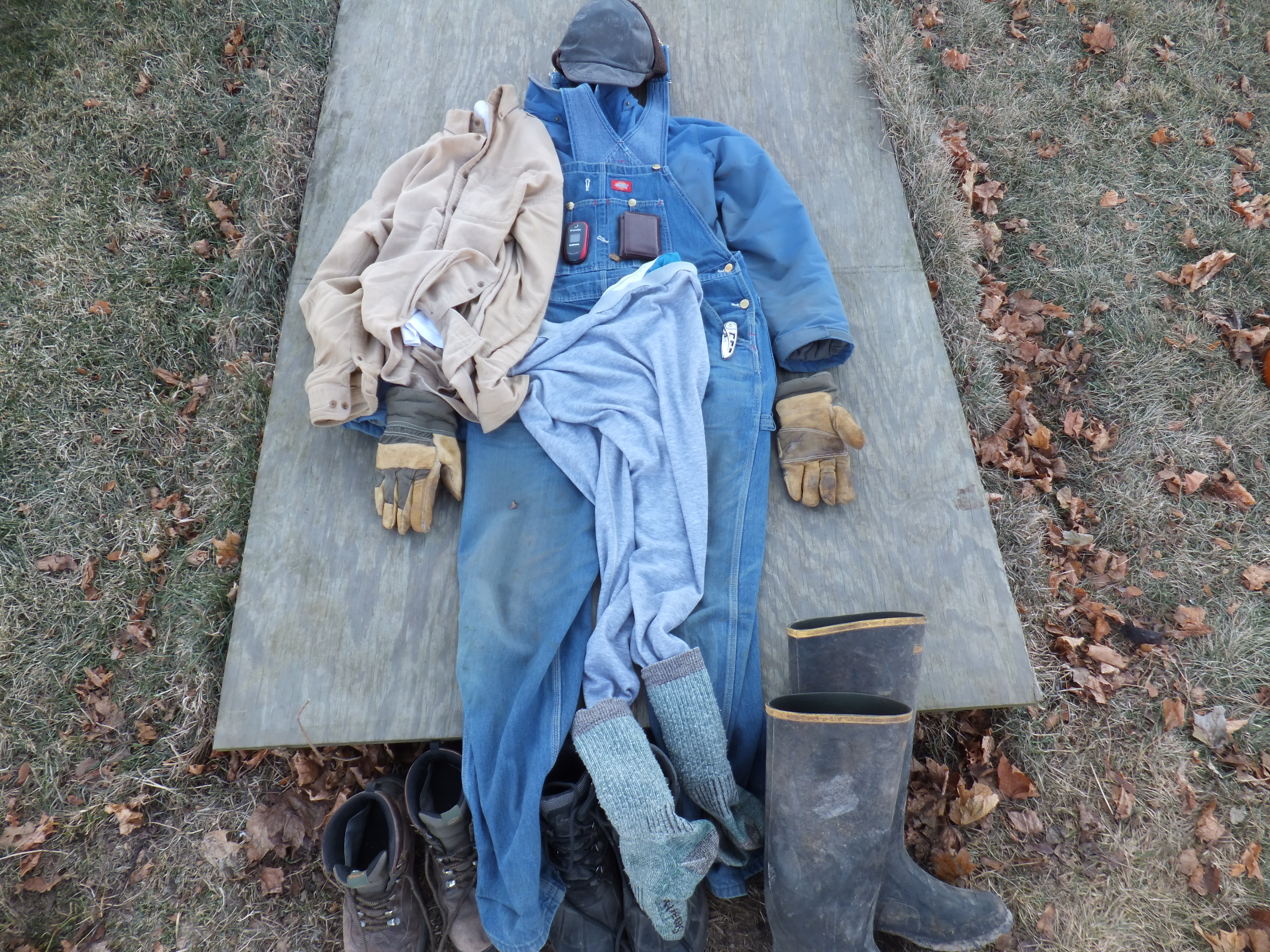
Dickies Insulated Bib Overalls

Restrictive, but warm!  I normally wear something like the ensemble pictured below.  But when the temps drop below zero F, I throw on these insulated bibs and am able to get my chores done without discomfort.

My Dad is a big fan of insulated coveralls.  He usually puts them on in October and doesn’t take them off until May.  But I’ve found them too restrictive.  I like to move when I’m outside.

That being said, I was too cold when the weather turned brutal.  So when Country Outfitters offered me clothes for free, I jumped at the chance to try these insulated bibs.

And I learned something.  I used to think when my toes and fingers got cold I had a cold toes and fingers problem.  So I would put on a second pair of socks and gloves to combat the problem with limited success.

Now I see when I put on these insulated bibs, it ties everything together and warms up my core.  This warmth radiates to my toes and fingers and I don’t need more socks or gloves.  Amazing!

Winter Farm Clothing


Evergreen Windbreak

January 22, 2014

DSCF1428

I’ve never liked evergreens.  I think it’s because I distrust their green when the rest of the world is white and brown.  Something about their green is off, even in August when this photo was taken.

That being said, I planted this small windbreak late last summer when they were purchased for the corner of our yard.  I read the tags before planting and realized they need more space.  So I recommisoned them for a small windbreak in the pasture.

Fast-forward to now and we’ve been experiencing one of the worst winters in memory, with arctic blasts of wind dropping the windchill well below zero for days.  I feel more exposed on top of this hill and am thinking I need more windbreaks.  So I ordered 25 Colorada Blue Spruce from our county agency and may double or triple the order before this winter is through.


Farm Nightmares

January 1, 2014

DSCF1524

Scientists think dreaming is a way for our brain to process fears and move on to make room for new threats.  This theory makes sense to me because of the way my nightmares have evolved over time.

School nightmares started early in life and lasted until I was in my thirties.  Having two stepsons has resulted in some nightmares concerned with their safety.  I also have farm nightmares, but these have changed as my style of farming has changed.

I used to have nightmares about animals in confinement.  A pen of pigs or chickens was forgotten for weeks, only to be remembered with panic, hoping they still had feed and water.

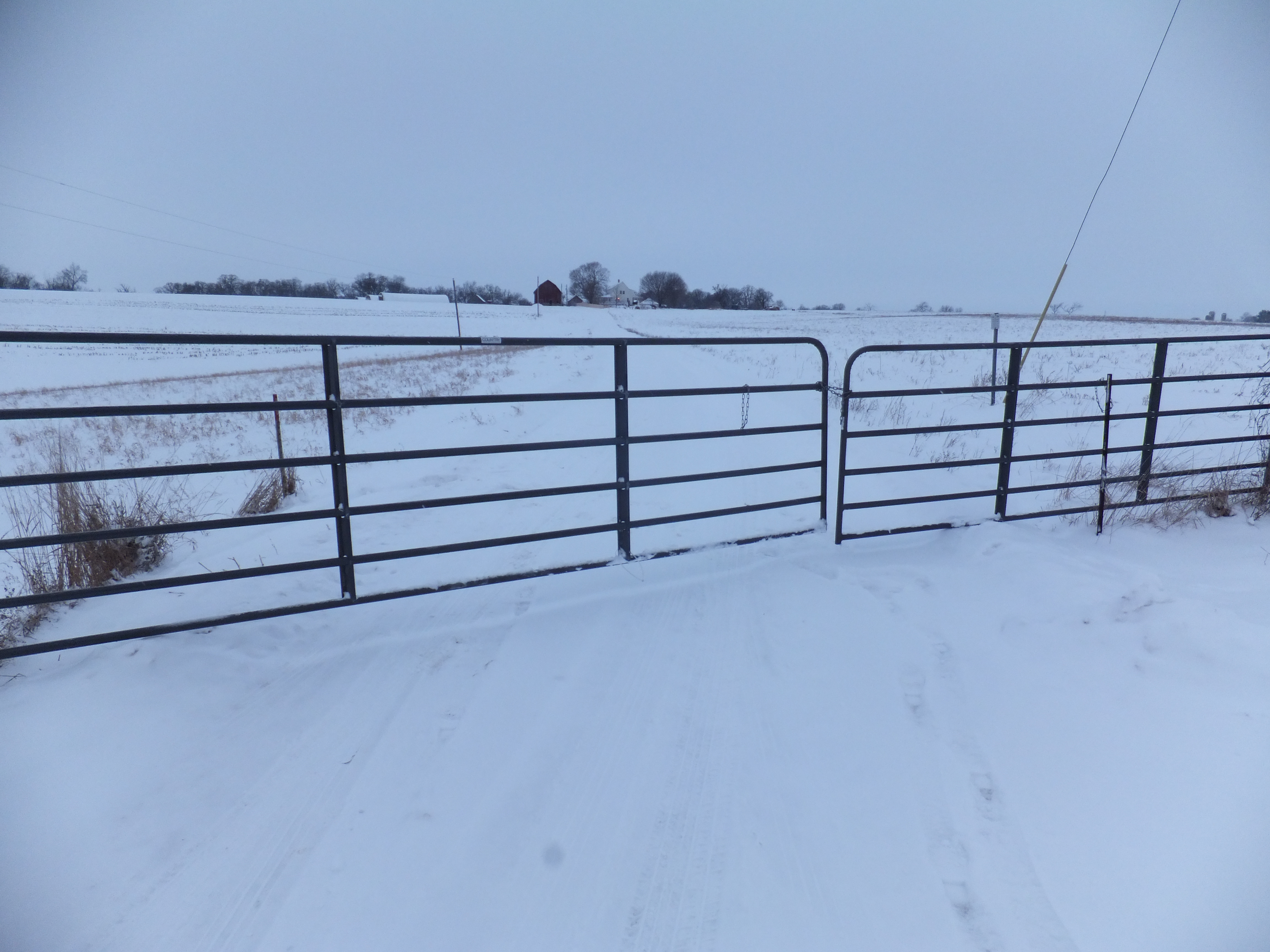
But now as more of my animals are on pasture more of the year, my dreams usually involve them escaping.  This is not unfounded as I once had cattle that ended up on the highway more than a mile away.  Hence, the gates you see in the photo above are closed every night, helping me sleep better.

The latest nightmare I had was interesting because it combined animals escaping and my stepsons.  I was checking the cattle in the rented pasture with my stepsons.  Much to my surprise, my breeding hogs had escaped into this pasture.  I started looking closer and found a couple of wild boars in with my sows.  This was not good, but then an elephant squealed and walked into view.  To my credit I didn’t panic, but calmly told the boys to check out the elephant.


Outdoor Farrowing, 2013 Summary

December 4, 2013

I had great expectations to improve over 2012’s average weaned per litter of 7.8 piglets.  8 piglets weaned per litter isn’t much of an improvement, but I’ll take it, especially considering the way 2013 farrowing started in a blizzard.  But an average of 8 doesn’t tell the full story as this is a tale of two seasons, difficult spring and easy summer.

2012 was difficult because we started farrowing in January in a hoop barn and lost several piglets when the temperature dropped below zero F.  I thought I could avoid that problem in 2013 by waiting until March to start farrowing.  March 2012 was 80 F and dry, a bad precursor to the drought which would follow, but ideal weather for farrowing.  March 2013 was the opposite, cold and wet, snow, rain, plummeting temps.

I had an idea about how much bedding would be needed in each farrowing hut.  Boy was I wrong.  I didn’t think about the ground under the hut being frozen, so it was extremely cold for the pigs and when the body heat of the sow warmed the ground it became wet.  The first two sows farrowed and 17 of the first 22 piglets froze.  I felt desperate and depressed.

Well, I remembered what Professor Freeman taught me.  Environmental factors are greater for plants than animals for a simple reason: animals can move, animals can modify their environment.  I knew the sows’ instinct to save their piglets was strong, I just needed to give them a chance.

So I started buying truckloads of wood shavings.  I had them slide whole pallets of bagged wood shavings into the back of  my trailer.  I trudged through the snow with a bag on my shoulder and started with two bags for each hut to soak up the wet and cold.  And the sows responded, making dry nests for their piglets.

17 spring litters farrowed 193 live piglets for an average of 11.4 per litter.  They weaned 119 piglets, an average of 7 piglets per litter.  So the preweaning mortality was 38.3%.  Considering how badly they started, I considered it a success to save only 2 out of every 3 piglets born alive.

I let the sows have a long lactation and then weaned all the piglets at once.  Since I didn’t have enough boar power to breed 17 sows, I decided to artificially inseminate, AI.  I was successful the previous fall with AI, settling nearly all the sows, which resulted in these spring litters.  But the spring was a different story as  some of the sows had already started cycling and I was busy with spring work, spending not nearly enough time watching for signs of estrus.  I got exactly 0% of the sows settled with AI.

At this point, I think anyone would say I was in a major swine-farming slump.  A beginning farmer may be thinking swine-farming is not for them.  But my years of experience has taught me that perseverance is what is required, and since I’m my own boss no one gets to decide I fail except for me.

Luckily I had some young boars and gilts which could be used for breeding.  So I put the boars in with the gilts and sold the sows as culls.

The gilts farrowed in July, August, and September.  The first gilt had 14 weak piglets with all but 5 dying quickly and I thought, “oh no, my slump continues,” but thankfully, the next litters were strong and healthy.

The weather was warm and dry.  Many of the gilts farrowed in huts, but some picked their own spots in the woods.  I used very little bedding and did very little work.  It was a joy to experience.

15 gilts farrowed 158 live piglets for an average of 10.5 per litter.  They weaned 138 piglets for an average of 9.2 per litter.  The preweaning mortality on this group was only 12.7%.

The final statistics are 32 sows and gilts farrowed 351 live piglets for an average of 11 per litter.  They weaned 257 piglets for an average of 8 piglets per litter.  Preweaning mortality averaged 27%.

I’m modifying again for 2014.  Sows will start farrowing at the end of February.  I plan on putting huts into a bedded hoop barn and farrowing there for the spring litters.  For the summer litters I’ll continue to just stand back and let them do their thing.


Permaculture Guild

November 25, 2013

DSCF1468

A permaculture guild  is a strategic design of organisms benefitting the whole.  Like all the best concepts of permaculture, this mimics the way nature designs.

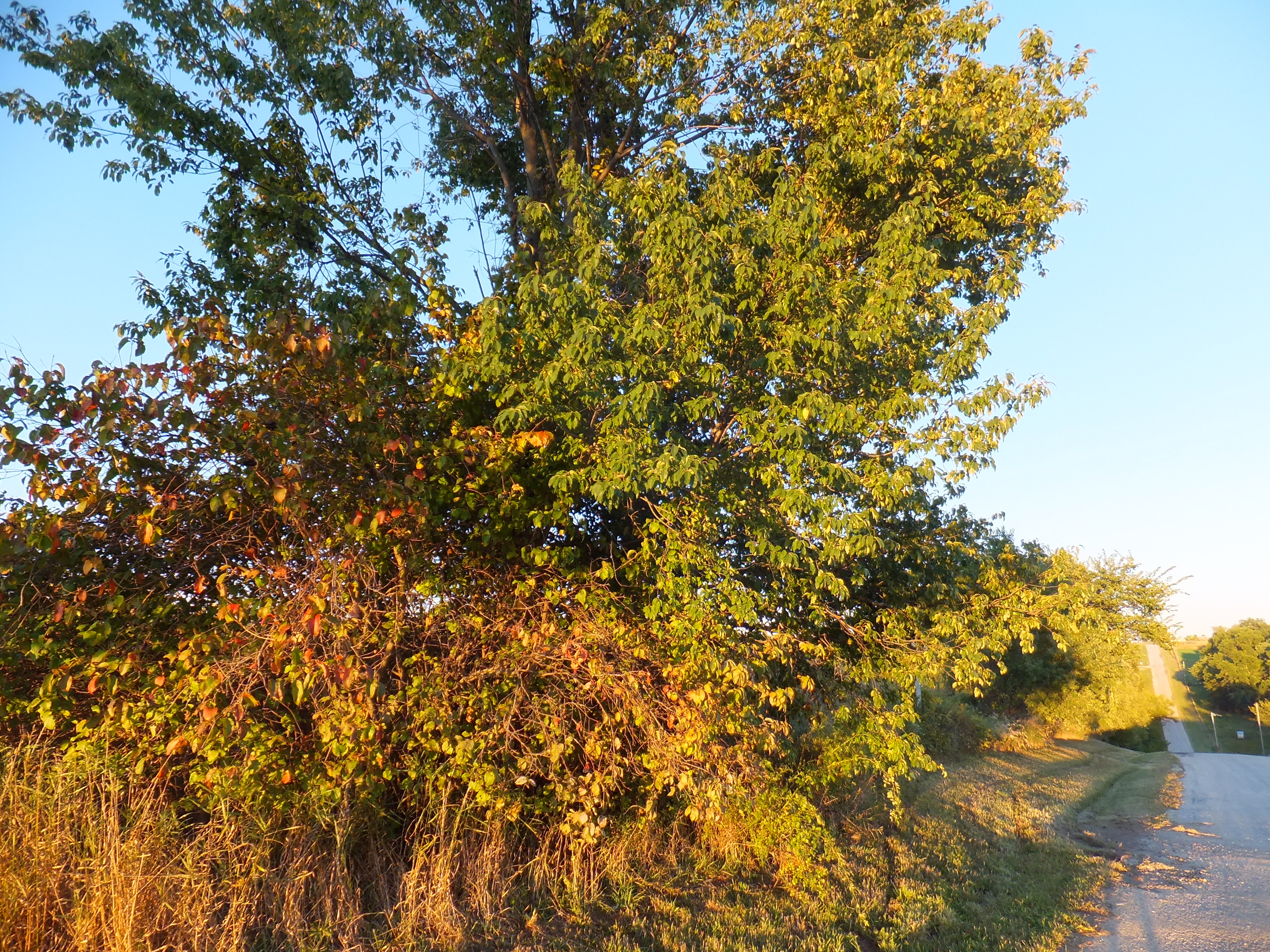
The photo above shows an abandoned fenceline along Oak Grove Lane.  I started thinking about this fenceline when I noticed the Nannyberry bush, which is in the left of the photo with yellow, red, and green leaves.

It’s a little bit humbling, but I realized if I’m successful with my edible windbreak planting, in fifteen years it will look like this abandoned fenceline. It’s also reassuring to know I’m mimicking nature, which uses space so wisely.

The amount of solar energy turned into food and fodder for everything from microorganisms to birds to humans is amazing.  Just in this photo there is the Nannyberry bush, growing under a Chokecherry tree, which has Wild Grapes hanging from its limbs.  Grasses and forbs cover the ground.  The rest of the life in this area would take a lifetime to catalog.